Azerbaijan sends humanitarian supplies to neighbouring Iran
Up to 30 tonnes of food will be delivered to Iran amidst ongoing hostilities with U.S. and Israel, following a phone converstation between the ...
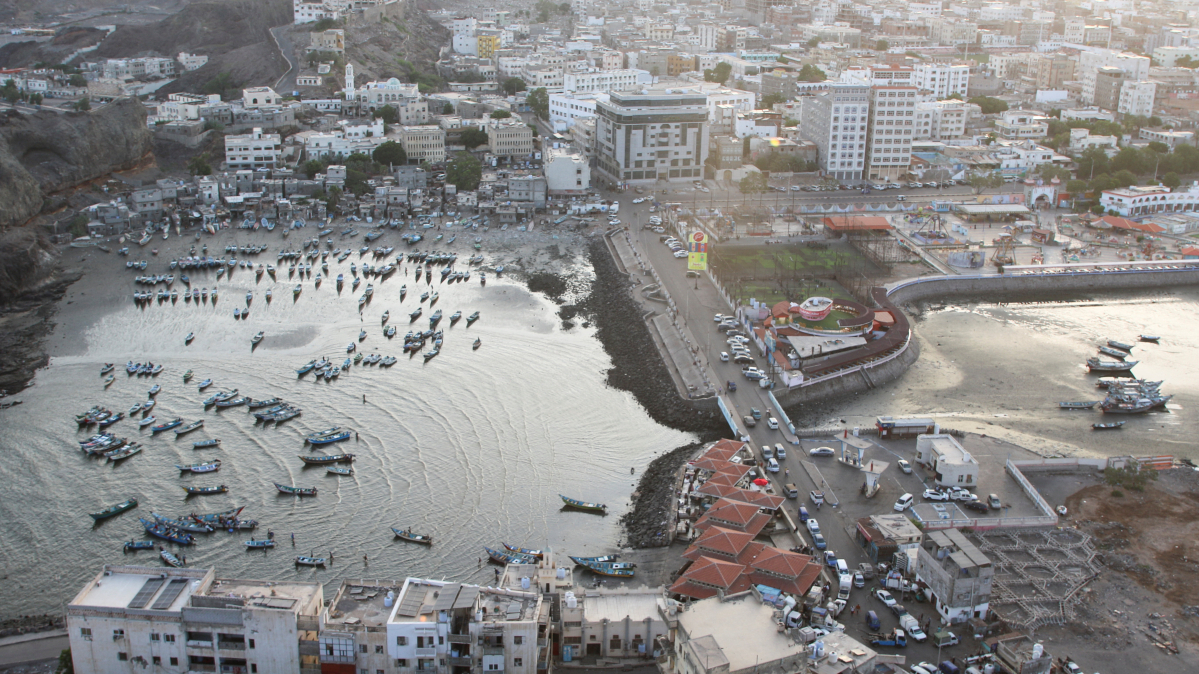
Some of Yemen’s most vital roads have reopened as the country’s long-stalled peace process shows renewed signs of progress, supported by a ceasefire in the Gaza Strip and an overall cooling in the regional climate.
Since the start of Yemen’s civil conflict in 2015, large parts of the country’s north-south transportation network had been destroyed, with bridges and major road sections left in ruins.
Military checkpoints along the remaining routes led to prolonged closures, forcing civilians to rely on remote, often dangerous paths through mountains and deserts to travel between the north and south.
The newly reopened roads include the main north-south artery linking the capital Sanaa with the southern port city of Aden, as well as key routes connecting Taiz, Dhale, and Hodeidah provinces.
The restoration of these routes has eased travel and trade, cutting travel times and reducing costs for residents and merchants alike.
“Before the roads opened, the city was virtually paralysed. After reopening, life begins returning to normal. Commercial activities have resumed, and it’s become much easier and cheaper for merchants and patients to travel between regions or provinces. Life is gradually getting back on track,” said Mohammed Al-Muraisi, a resident of Dhale Province.
Analysts say the move has not only revived economic activity but also symbolised renewed political momentum. The reopening is expected to accelerate the delivery of humanitarian aid across the country, offering critical relief amid Yemen’s ongoing humanitarian crisis.
“I see the opening of ports, crossings, and roads as real signs of progress to move closer to the peace process,” said political analyst Mohammed Shamsan.
“It was also preceded by the cessation of military operations and the laying down of arms on all fronts. These are all signs that confirm or lead to the conclusion that Yemenis are close to reaching a peace agreement; only the details related to the peace process and the timing remain to be worked out.”
Observers note that the continued implementation of the peace roadmap, including the full restoration of transportation networks, will be a crucial test of all parties’ commitment to sustaining stability and rebuilding normal life across Yemen.

Mojtaba Khamenei, son of the late Ayatollah Ali Khamenei, is a hardline cleric with strong backing from the Islamic Revolutionary Guard Corps. His rise signals continuity in Tehran's anti-Western policies.
Global oil prices surpassed $119 a barrel on Monday (9 March, 2026), an almost four year high, as the Middle East conflict rumbled on.
Welcome to our live coverage as the conflict involving Iran enters its 11th day. Tensions in the region remain high as the United States and Iran exchange increasingly sharp warnings over the strategic Strait of Hormuz, a critical artery for global oil supplies.
China has urged Afghanistan and Pakistan to resolve their dispute through dialogue after Chinese envoy Yue Xiaoyong met Afghan Foreign Minister Amir Khan Muttaqi, as fighting between the two neighbours entered its eleventh day.
Entry and exit across the state border between Azerbaijan and Iran for all types of cargo vehicles, including those in transit, will resume on 9 March, according to a statement by the Cabinet of Ministers of Azerbaijan.
The Strait of Hormuz has become a focal point of global concern as tensions rise following the conflict involving Iran, the United States and Israel. Tehran has threatened to block the strategic waterway, raising fears of disruption to global oil shipments and energy markets.
Reports of so-called “acid clouds” moving from Iran towards Central Asia are not supported by scientific data, national hydrometeorological services in Kazakhstan, Uzbekistan and Kyrgyzstan say, adding there is no threat to the region.
A senior delegation from the OSCE Parliamentary Assembly has been holding meetings with Georgian government officials, opposition leaders and security authorities this week, as international observers attempt to gauge the country’s political climate following last year’s contentious elections.
Turkish President Recep Tayyip Erdoğan has told Masoud Pezeshkian, his Iranian counterpart, that violations of Turkish airspace by Iran could not be justified “for any reason whatsoever.”
The Cabinet of Ministers of Kyrgyzstan has approved a new programme aimed at developing educational courses and training sessions for young parents.
You can download the AnewZ application from Play Store and the App Store.
What is your opinion on this topic?
Leave the first comment