Strait of Hormuz blockade should continue says Iran's new Supreme Leader: Middle East conflict on 12 March
Iran should continue “blocking the Strait of Hormuz,” while the U....
Israeli officials say there is currently no formal ceasefire in Gaza, despite a temporary pause in some airstrikes, as negotiations move forward on a U.S.-brokered deal to free hostages held by Hamas.
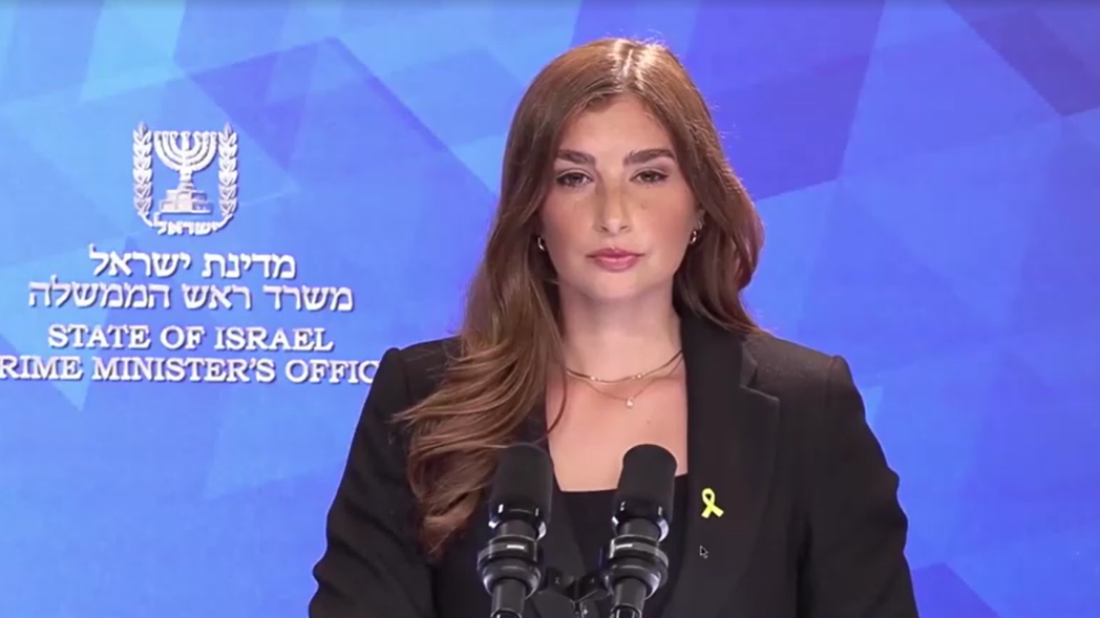
Government spokesperson Shosh Bedrosian confirmed on Sunday (October 5) that a delegation of Israeli negotiators will travel to Cairo tonight to begin the technical phase of discussions with Egyptian mediators. The talks will focus on finalising the first stage of the agreement — the simultaneous release of 48 Israeli hostages.
“This development comes with talks that will be taking place in Egypt, as the Prime Minister instructed the team, led by Strategic Affairs Minister Ron Dermer, to finalise the technical details of the release of the hostages — a priority and first step of this deal,” Bedrosian said. She added that Israel’s government had agreed to the first phase of the U.S.-backed plan, and that Hamas must now act on its commitment to release the captives.
Bedrosian stressed that the meetings in Cairo are strictly technical, focused on logistics and sequencing rather than broader political terms. “The team will be leaving tonight, with plans for talks to begin tomorrow,” she said.
On the ground, she clarified that while some airstrikes had ceased, the Israeli military retained authority to respond if threatened. “There’s no ceasefire in place at this point in time,” Bedrosian told reporters. “The Prime Minister has given orders for defence forces to fire back for defensive purposes, of course, if there is a threat to their life in the battlefield in Gaza.”
The upcoming talks in Egypt mark the most advanced stage yet in efforts to implement President Donald Trump’s 20-point peace proposal, which envisions a phased ceasefire, the release of hostages and prisoners, and eventual international oversight of Gaza’s governance.
Negotiators from Israel, Egypt, and the United States are expected to attend Monday’s meeting in Cairo, as momentum builds toward what could become the most significant breakthrough since the conflict began nearly two years ago.

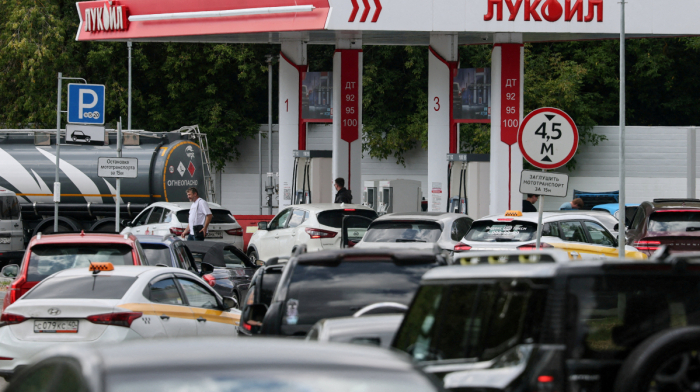
The 32 countries belonging to the Internatioanl Energy Agency agreed to release 400 million barrels of oil on Wednesday (11 March), in efforts aimed at bringing down the price of crude oil, which has soared since fighting between Iran, Israel and the U.S. started at the end of February.
The U.S. should shut down its military bases in the Middle East, Iran's new Supreme Leader Mojtaba Khamenei said on Thursday (12 March). His words were read out by a broadcaster on state Iranian television.
A towering lava fountain from Kilauea shot about 400 metres into the air late on Tuesday (11 March) on Hawaii Island, prompting temporary closures at Hawaii Volcanoes National Park and part of a key highway as volcanic ash and debris fell over nearby areas.
More than 68,000 children in eastern Afghanistan have been displaced after clashes between Afghan and Pakistani forces intensified along the border, according to a new report by Save the Children.
Norwegian police apprehended three brothers suspected of carrying out Sunday's (8 March) bombing at the U.S. embassy in Oslo, in an attack investigators have branded an act of terrorism.
Iran should continue “blocking the Strait of Hormuz,” while the U.S. should “shut” its Middle East military bases, new Iranian Supreme Leader, Mojtaba Khamenei, said on Thursday in his first speech since being elected. He is still yet to appear in public, and a broadcaster read out his words.
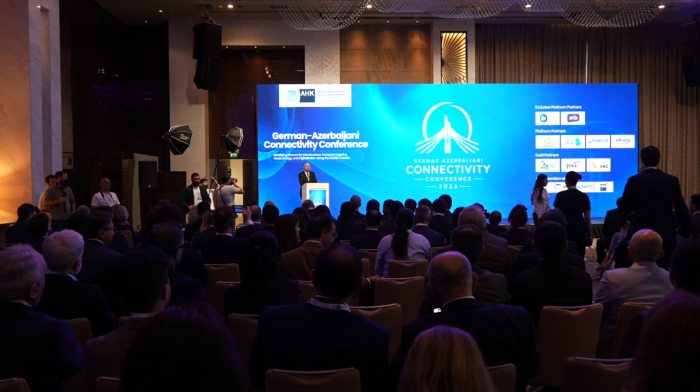
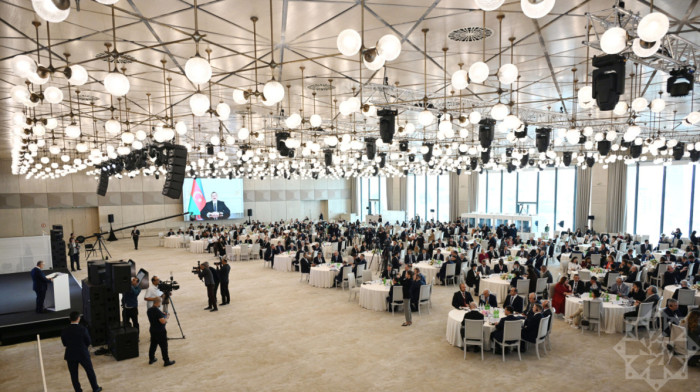
International security and climate change are top of the agenda as leaders and policymakers from around the world meet at the 13th Global Baku Forum in the Azerbaijani capital this week.
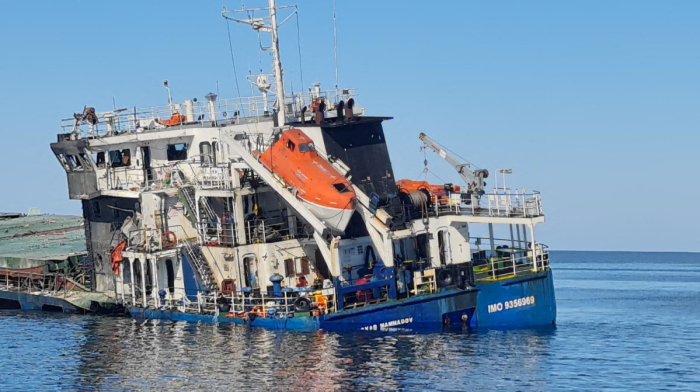
Fifteen Turkish-owned vessels remain stranded in the blockaded Strait of Hormuz, Türkiye’s Transport and Infrastructure Minister Abdulkadir Uraloğlu said on Wednesday.
New Iranian Supreme Leader Mojtaba Khamenei has said Iran should continue ‘blocking the Strait of Hormuz’ in his first statement since his election, read out on Iranian State television on Thursday (12 March).
Iran’s President Masoud Pezeshkian has set recognition of Tehran’s inalienable rights, payment of war compensation, and international guarantees against any future invasion as conditions for ending the U.S.–Israel war with the Islamic Republic.
You can download the AnewZ application from Play Store and the App Store.
What is your opinion on this topic?
Leave the first comment