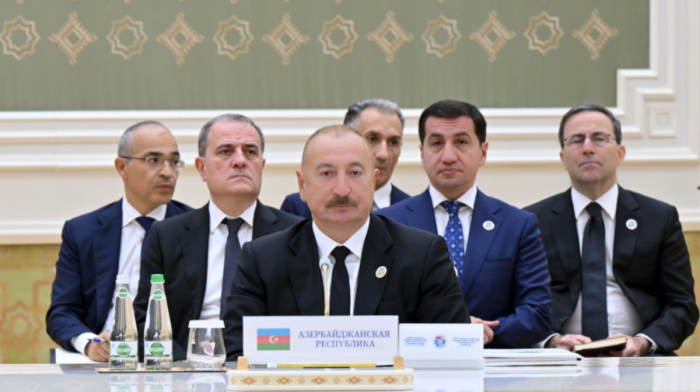
Armenia signals progress on U.S.-backed TRIPP corridor at Antalya forum
Global leaders have gathered in Antalya Diplomacy Forum, with discussions centred on geopolitical uncertainty and international cooper...
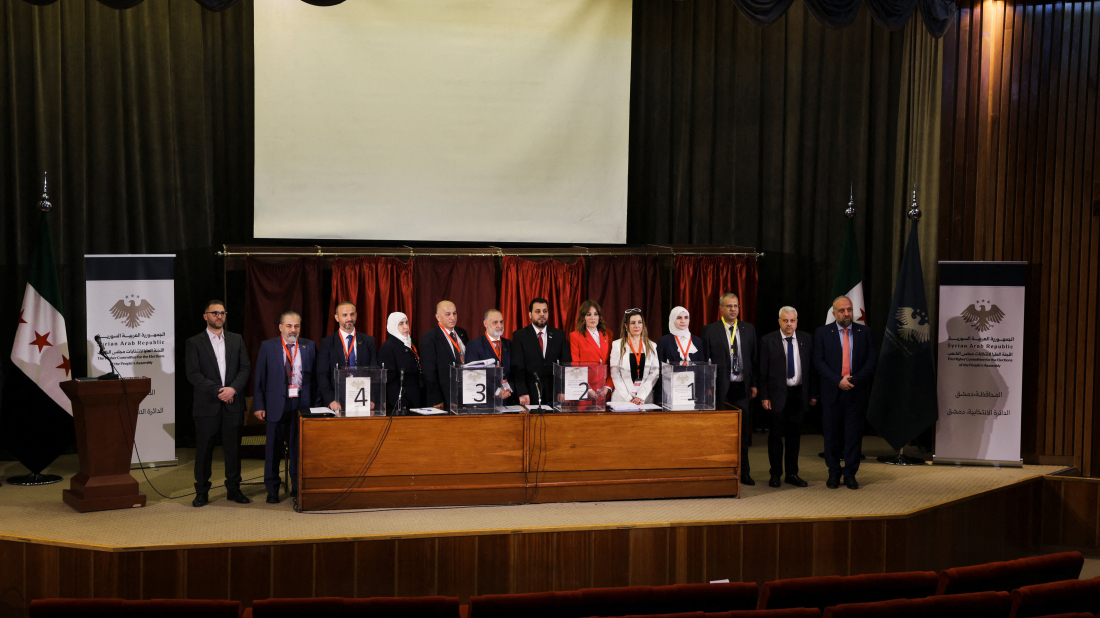
Syria is holding parliamentary elections for the first time since the ousting of longtime leader Bashar al-Assad — a milestone in the country’s fragile political transition after nearly 14 years of conflict.
On Sunday, members of Syria’s electoral colleges cast their votes to select new lawmakers for the revamped 210-seat People’s Assembly. However, the process has drawn sharp criticism from observers, who argue it lacks democratic legitimacy. A third of the seats are appointed directly by interim leader Ahmed al-Sharaa, while the remaining members are chosen indirectly by electoral colleges rather than through a popular vote.
Critics say the system entrenches the power of Syria’s new leadership instead of opening the door to real democratic reform. In a joint statement last month, over a dozen non-governmental organisations warned that al-Sharaa “can effectively shape a parliamentary majority composed of individuals he selected or ensured loyalty from,” thereby “undermining the principle of pluralism essential to any genuine democratic process.”
“You can call the process what you like, but not elections,” said Bassam Alahmad, executive director of France-based Syrians for Truth and Justice, one of the signatories of the statement, in remarks to AFP.
Meanwhile, voting has been indefinitely suspended in the restive Druze-majority province of Suwayda and in Kurdish-controlled areas of the northeast, due to ongoing tensions between local authorities and the central government in Damascus.

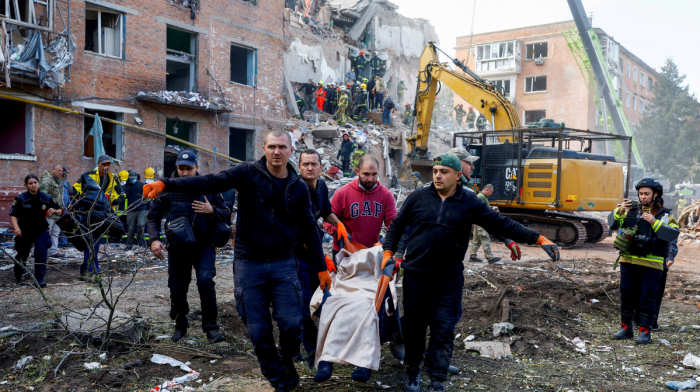
The past 24 hours of the Russia-Ukraine war have seen a drastic escalation in both aerial bombardment and frontline losses.
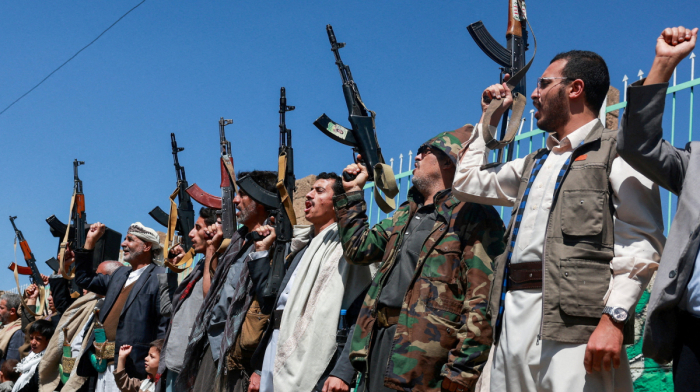
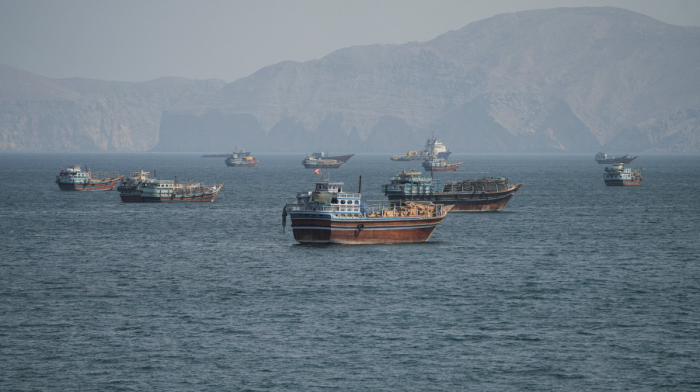
Iran reopened the Strait of Hormuz to commercial shipping on Friday (17 April) for the first time since the U.S. and Israel killed Iran's ex-Supreme Leader in air strikes, triggering the Middle East conflict, at the end of February. A U.S. blockade on Iranian ports, however, remains in force.
Russia published addresses of manufacturers allegedly producing drones or components for Ukraine on Wednesday (15 April), warning European countries against plans to step up UAV supplies to Kyiv.
Iran's Islamic Revolutionary Guards Corps (IRGC) said in a Saturday statement that the Strait of Hormuz has returned to its "previous state" under the control of its "armed forces," citing the ongoing U.S. blockade on Iranian ports.
Netflix shares fell sharply on Friday after the streaming group issued a weaker-than-expected outlook and said chairman and co-founder Reed Hastings will step down from the board.
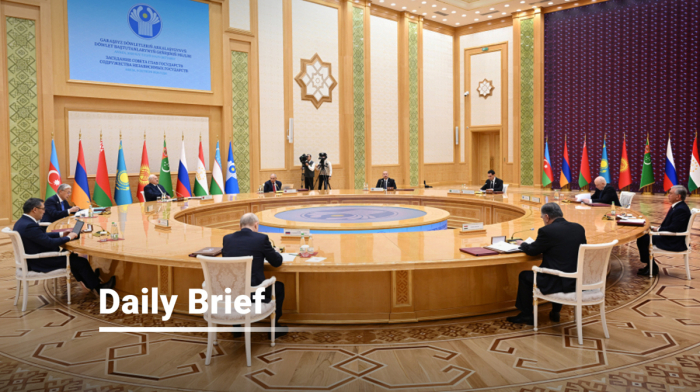
Global leaders have gathered in Antalya Diplomacy Forum, with discussions centred on geopolitical uncertainty and international cooperation.
Syrian President Ahmed al-Sharaa has said his country could provide a “safe corridor” and “alternative route” for regional energy shipments, as supply disruptions continue to affect the wider Middle East.
An average of at least 47 women and girls were killed each day during the war in Gaza, according to new figures released by UN Women.
China is seeking to strengthen and upgrade its cooperation with Turkmenistan, focusing on what officials describe as “high-quality development” across a range of sectors.
Kazakhstan plans to boost trade with Afghanistan from $500 million to $3 billion, backed by infrastructure and transit projects designed to strengthen regional connectivity and improve access to global markets.
You can download the AnewZ application from Play Store and the App Store.
What is your opinion on this topic?
Leave the first comment