Member states of the Shanghai Cooperation Organisation (SCO) prevented 273 terrorist attacks and more than 3,000 crimes linked to terrorism, separatism and extremism in 2025, according to the bloc's regional counter-terrorism body.
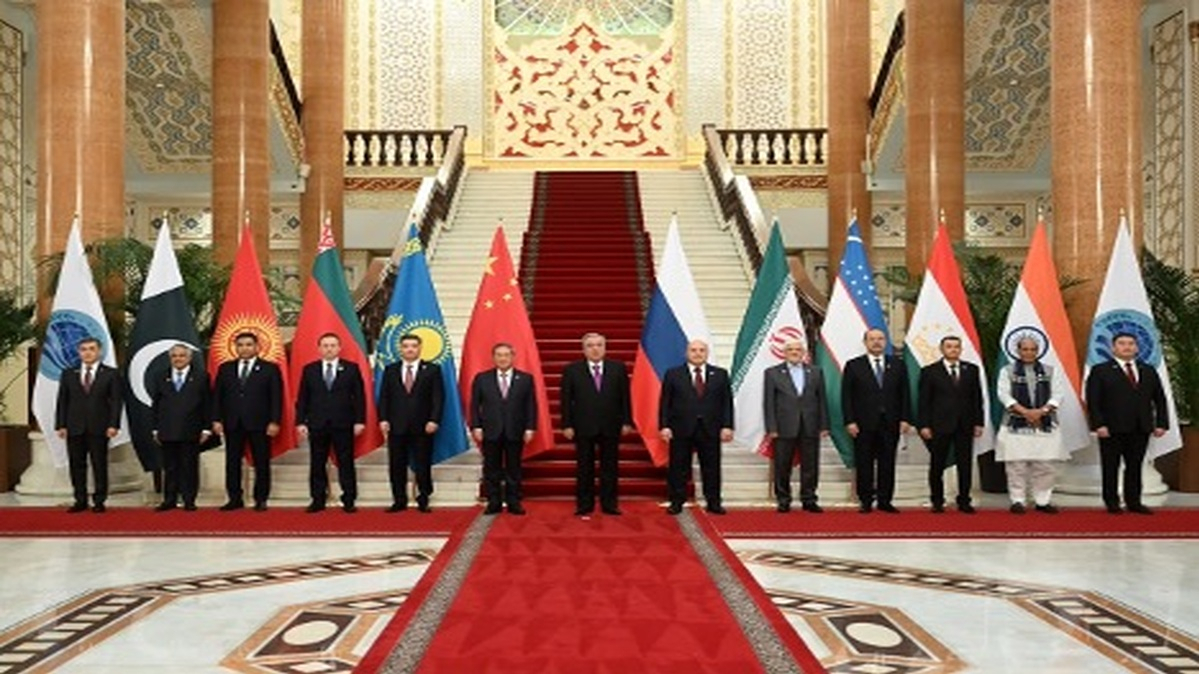
Security concerns dominated discussions as the SCO Council of Heads of Government met in Dushanbe on 20 October, alongside talks on expanding trade, transport links and economic cooperation.
The meeting was chaired by Tajik Prime Minister Qohir Rasulzoda, bringing together government leaders and senior representatives from member states. Tajik President Emomali Rahmon called for stronger cooperation to tackle regional threats, while India urged tougher action against terrorist financing and networks supporting extremist groups.
The talks took place against a backdrop of persistent security concerns surrounding Afghanistan, which borders Tajikistan.
Ahead of the meeting, Chinese Premier Li Qiang called for closer intelligence sharing and law enforcement cooperation with Tajikistan, reflecting Beijing's concerns over cross-border threats and the safety of Chinese nationals.
Trade and financial cooperation
Economic ties were also high on the agenda, with trade between China and the five Central Asian countries surpassing $100 billion for the first time in 2025.
Governments discussed expanding the use of national currencies for cross-border payments, with Kazakhstan reporting that nearly 70 per cent of its transactions with SCO partners are already conducted in national currencies.
Belarus backed plans to establish an SCO Development Bank, while Pakistan called for closer financial cooperation to help shield member states from global economic shocks.
Transport corridors and infrastructure
Rapid trade growth has increased pressure to improve transport links across the region. China called for further development of international corridors, including the Trans-Caspian International Transport Route and the Northern Sea Route.
Kazakhstan proposed modernising sea and inland ports to boost annual freight volumes along the Trans-Caspian corridor to 10 million tonnes.
SCO members also approved plans for a shared digital platform designed to streamline international freight transport.
Water and energy security
Water shortages and energy security featured prominently in discussions, reflecting growing concerns over the management of Central Asia's shared resources.
Tajikistan called for greater attention to glacier protection and water management, while Kazakhstan proposed setting up an SCO centre to analyse regional water challenges.
The talks also addressed the implementation of the organisation's energy cooperation strategy through 2030.
Water security remains a pressing challenge across Central Asia, where agriculture and electricity generation rely heavily on shared rivers and seasonal water supplies.
Uzbekistan takes over chairmanship
The meeting concluded with the adoption of a joint communiqué and agreements covering trade, transport and industrial investment, including an economic cooperation action plan for 2026–2030.
Tajikistan handed over the rotating chairmanship of the SCO Council of Heads of Government to Uzbekistan, which will lead the next phase of cooperation among member states.
Read more:











What is your opinion on this topic?
Leave the first comment