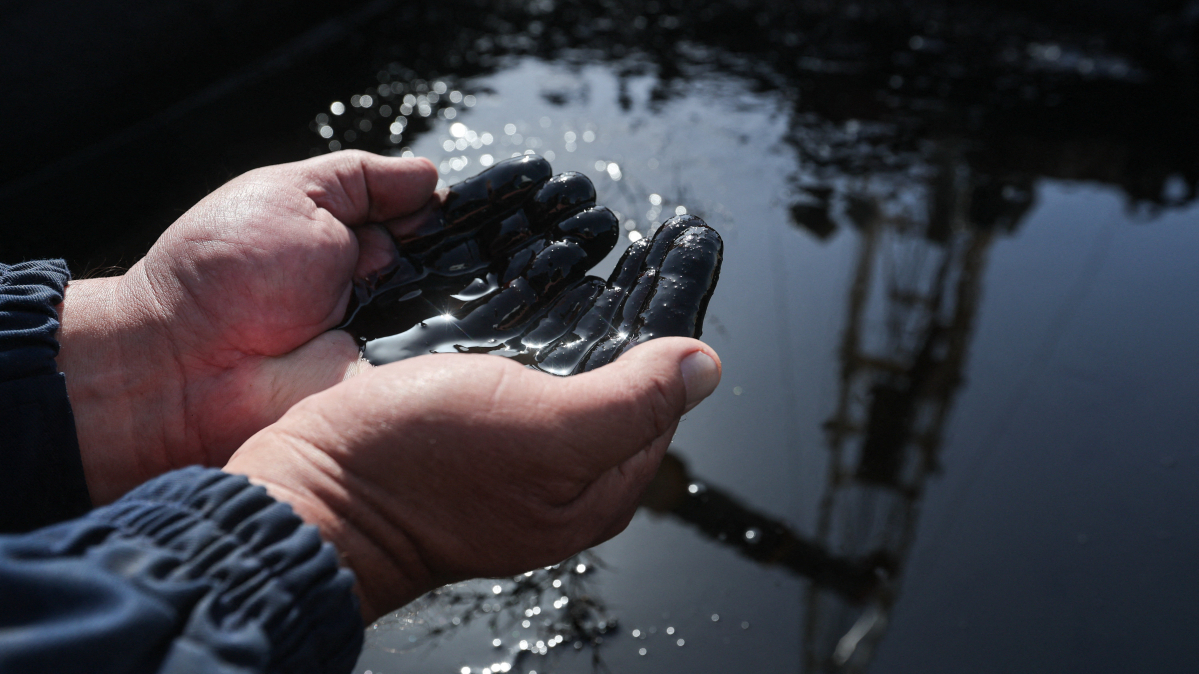
Kazakhstan's oil production remains strong, with around 4.4 billion tonnes of recoverable oil reserves - the total volume of oil that can be technically and economically extracted -- while its geological reserves are estimated at 13.2 billion tonnes, according to the country’s Energy Ministry.
The estimates are not considered final and may be revised as geological exploration continues and reserve assessments are updated, the ministry said.
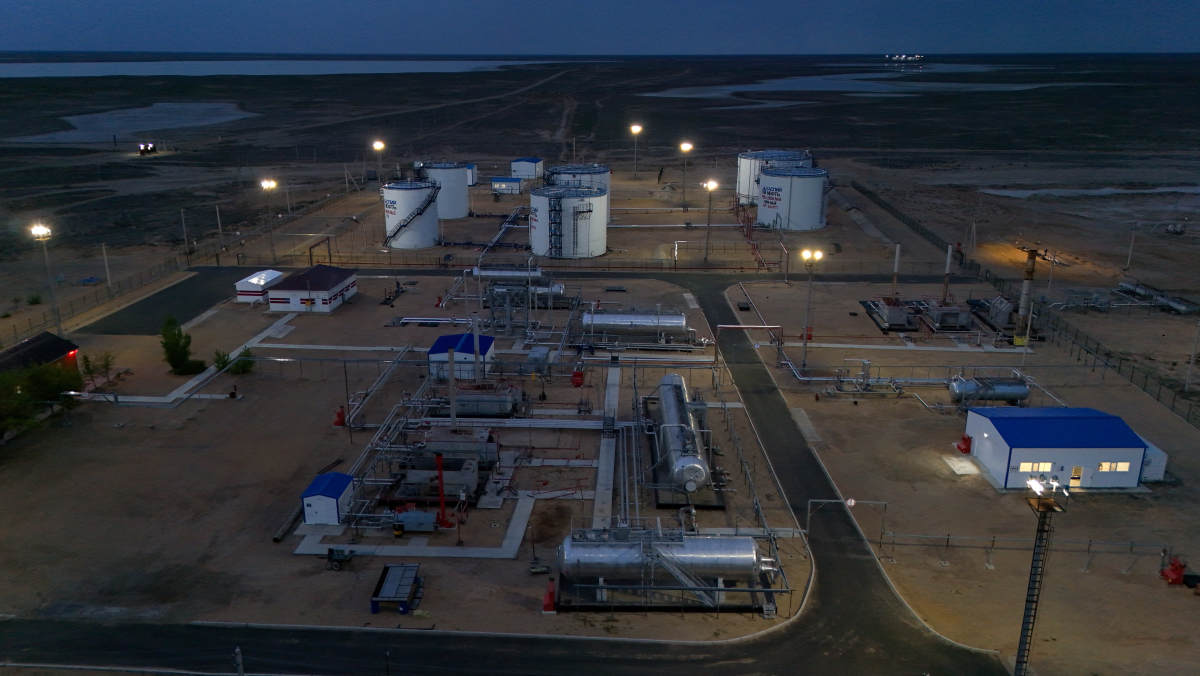
Over the past five years, Kazakhstan’s oil production has remained near its peak. In 2025, the country produced 99 million tonnes of oil, with its three major projects accounting for a significant share of the total. Tengiz produced 39 million tonnes, Kashagan 18.2 million tonnes and Karachaganak 12.13 million tonnes.
The rise in output has been driven in part by the Future Growth Project at Tengiz, which added 12 million tonnes to annual production in 2025. But the current pace is unlikely to last indefinitely. After 2030, experts expect Kazakhstan to produce between 90 million and 96 million tonnes a year on average.
That makes what lies beneath the ground, and what can still be discovered, increasingly important.
KazMunayGas is planning a broad exploration programme for 2026-2030, including the drilling of 26 wells. The company’s chairman, Askhat Khassenov, has also spoken about plans to bring a major field into development.
Plans for a new refinery
The question is not only how much oil Kazakhstan can continue to produce, but also how much of it the country will be able to process domestically. That capacity could change considerably over the next decade, with preparations already underway for a fourth oil refinery.
Work on a preliminary feasibility study began in May 2026, according to the Energy Ministry. The new refinery is expected to process up to 10 million tonnes of crude oil annually, potentially taking Kazakhstan’s total refining capacity to around 40 million tonnes a year.
Getting there will take time. The feasibility study, design, construction and commissioning are expected to span around seven years, from 2026 to 2033. Even the location remains open: several possible sites are being considered, with a final decision expected only after the relevant pre-project studies have been completed.
The same applies to the price tag. The Energy Ministry says it is too early to give a final investment figure, although Vice Minister of Energy Kairkhan Tutkyshbayev estimated the preliminary cost at around $10 billion in February.
Read more from Kazakhstan:














What is your opinion on this topic?
Leave the first comment