Kazakhstan has concluded its first election to the new unicameral Kurultai, with turnout reaching 74.19 per cent, as vote counting begins following a major overhaul of the country’s parliamentary system.
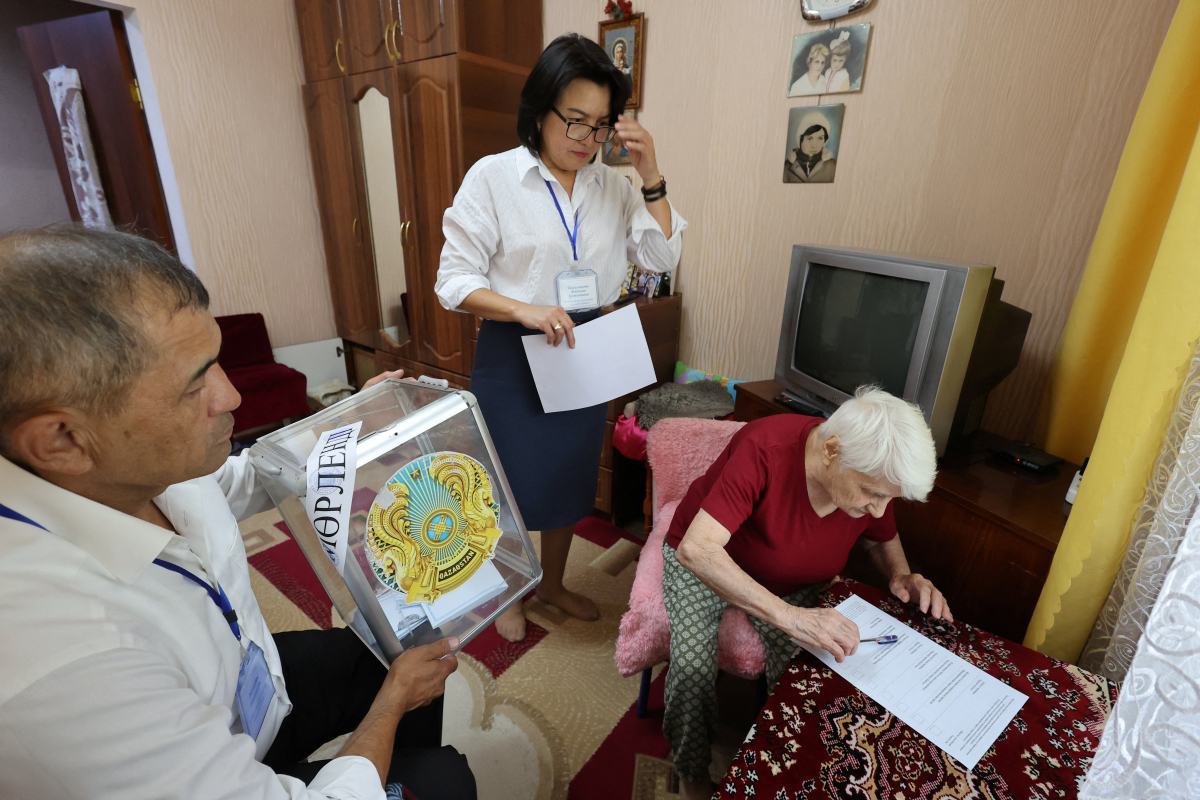
All polling stations across the country have closed, bringing to an end the first election to the Kurultai, the new parliament created as part of Kazakhstan’s sweeping constitutional reform.
According to Kazakhstan’s Central Election Commission, 9,352,151 voters had received ballot papers by 20:00, putting final turnout at 74.19 per cent. More than 12.5 million citizens were included on electoral rolls, with voting taking place at more than 10,000 polling stations across Kazakhstan and in 61 foreign countries.
Local election commissions began counting ballots after polling ended. Under Kazakhstan’s electoral legislation, the counting process must be completed within 12 hours.
The 23 August vote represents a significant change in Kazakhstan’s parliamentary system. The Kurultai replaces the previous bicameral parliament, which consisted of the Senate and the Mazhilis, with a single chamber of 145 deputies elected for a five-year term. The new parliament will therefore remain in office during the country’s next presidential election.
Competition for the 145 seats was substantial, with 545 candidates registered, roughly four candidates for each parliamentary mandate. However, voters did not cast ballots for individual candidates. Under the new electoral model, the entire country forms a single nationwide constituency, with voters choosing between party lists.
Seven parties were admitted to the election: Adilet, the Nationwide Social Democratic Party, the Baitak Kazakhstan Green Party, the People’s Party of Kazakhstan, Auyl, Ak Zhol and Respublica. All seven support the policies of the current president. The ballot also included an “against all” option.
To secure representation in the Kurultai, a party must receive at least 5 per cent of the vote. Once the results are established, the leadership of each party that wins seats will decide which candidates from its list receive parliamentary mandates.
The new system also includes representation requirements. Under the law, women, candidates under the age of 35 and people with disabilities must collectively account for at least 30 per cent of the deputies representing each party.
The changes go beyond the composition of parliament. The authorities have presented the move from a bicameral to a unicameral legislature as a way to accelerate lawmaking and strengthen the role of political parties in the country’s political system.
The Kurultai will adopt legislation and approve the state budget, and will have the power to express no confidence in the government. Its consent will also be required for the appointment of the prime minister, vice-president, judges of the Constitutional Court and members of several state bodies.
The transition to the new political structure will continue once the final election results are published. The first session of the Kurultai must be convened within 30 days of its official publication. Within two months of the opening of that session, President Kassym-Jomart Tokayev must appoint the vice-president with the consent of the Kurultai.
With polling now over, the focus shifts to the vote count and which of the seven parties will clear the 5 per cent threshold. The results will determine the composition of Kazakhstan’s first unicameral Kurultai and the parliamentary landscape for the next five years.
Read More:











What is your opinion on this topic?
Leave the first comment