Climate change could leave Kazakhstan facing severe water shortages, longer heatwaves and mounting economic losses within decades, as rising temperatures and shrinking glaciers reshape water security across Central Asia, scientists warn.
Climate pressures intensify
Kazakhstan is among the countries most exposed to climate change in Central Asia, where temperatures are rising faster than the global average. According to the World Meteorological Organization, every decade since the 1980s has been warmer than the one before. Temur Yunusov, scientific adviser to the Central Asian Climate Foundation (CACF), says higher temperatures are already bringing longer, more intense heatwaves, placing growing pressure on agriculture, energy systems, transport infrastructure and public health.
The rapid retreat of Central Asia's glaciers is becoming one of the region's greatest challenges. The glaciers supply much of Kazakhstan's freshwater, yet scientists warn that many across the region could disappear by the middle of the century, while mountain areas may lose up to 85% of their ice cover by 2100. Agriculture is expected to be among the sectors hit hardest as hotter summers, shifting weather patterns and dwindling water supplies reduce crop yields and increase demand for irrigation.
Water security under strain
Yunusov says the recent rise in the level of the North Aral Sea should not be interpreted as an unequivocally positive sign. Unless Kazakhstan cuts water consumption by around 30%, he argues, higher water levels may simply reflect the accelerated depletion of glacier reserves rather than an improvement in long-term water security.
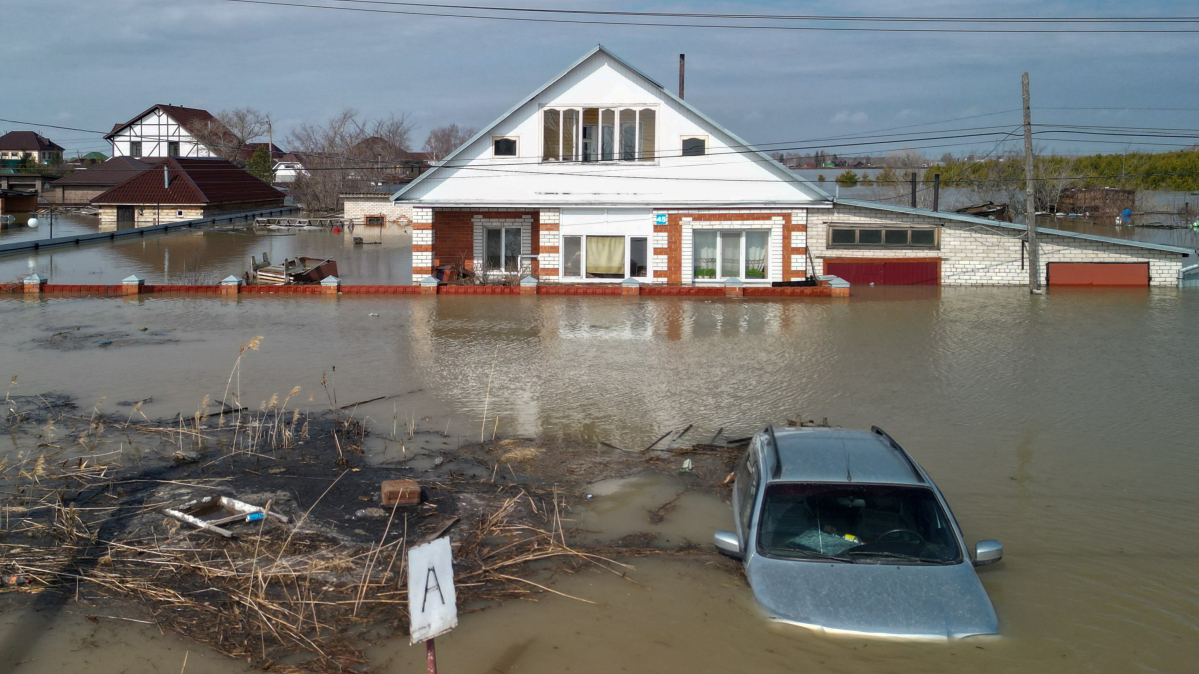
The changing climate is already affecting the country's water cycle, says Kuanysh Uzbekov, a water policy expert at the Qazaq Expert Club. River flows are declining, while Lake Balkhash and the Caspian Sea continue to shrink. Warmer winters bring less snowfall and earlier snowmelt, reducing the amount of water that eventually reaches reservoirs. At the same time, extreme weather events are becoming more frequent. During the spring floods of 2024, around 170,000 people were forced to leave their homes.
Economic risks grow
Uzbekov warns that Kazakhstan's water deficit could reach 50% of national demand by 2040. By 2050, the resulting water crisis could reduce the country's GDP by around 6%, turning what was once seen primarily as an environmental challenge into a significant economic risk. Under the most severe climate scenarios, prolonged water shortages could also drive population displacement.
Nearly half of Kazakhstan's river flow originates outside its borders, making regional cooperation over shared water resources increasingly important. While the country's new Water Code aims to expand water infrastructure and reduce water losses, specialists say the rapid adoption of water-saving technologies, particularly in agriculture, will be critical if Kazakhstan is to adapt to a warmer, drier future.



















What is your opinion on this topic?
Leave the first comment