Uzbekistan and Norway have launched a new three-year initiative to strengthen the country’s radiation and nuclear safety framework as Tashkent prepares to build its first nuclear power plant and seeks to establish itself as a regional leader in the sector.
The project, financed under Norway’s Nuclear Action Plan, is being implemented jointly with Uzbekistan’s Committee for Industrial, Radiation and Nuclear Safety and the Scientific and Technical Centre for Radiation and Nuclear Safety.
The initiative will focus on improving the country’s legal and regulatory framework, strengthening state oversight of radiation and nuclear safety, and introducing international best practice.
Representatives of the Norwegian Radiation and Nuclear Safety Authority (DSA) met Uzbek officials in Tashkent to review the project’s objectives, priority areas and practical measures to strengthen the national radiation and nuclear safety system.
Supporting a growing nuclear programme
The cooperation comes as Uzbekistan accelerates the development of its civilian nuclear energy programme.
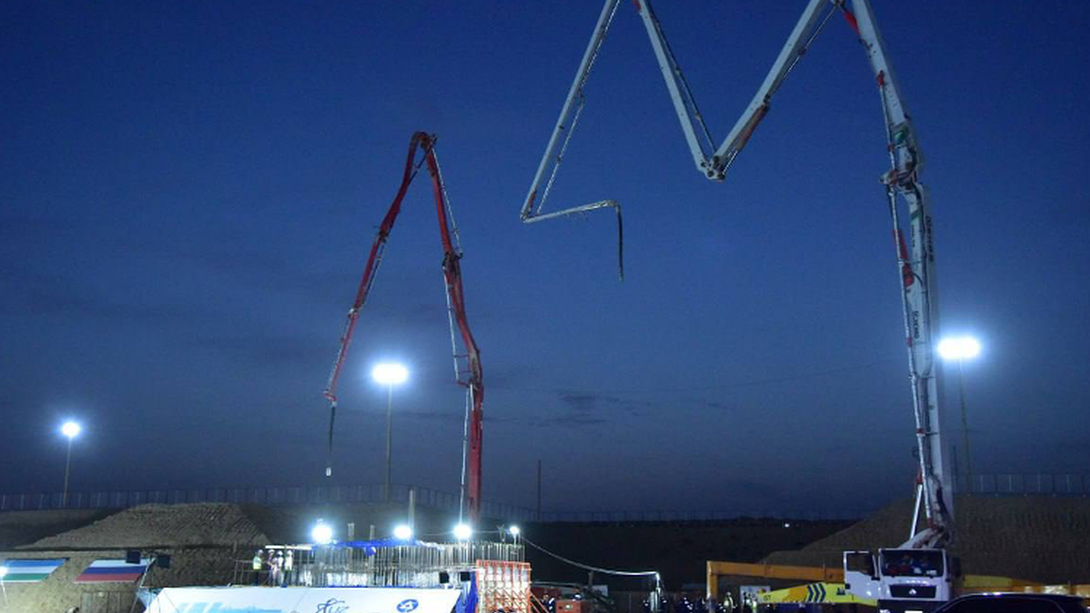
Earlier this month, construction officially began on the country’s integrated nuclear power plant in Jizzakh region. The project combines two large VVER-1000 Generation III+ reactors with two small RITM-200N reactors, giving the facility a planned total capacity of more than 2.1 gigawatts.
The integrated design is intended to improve energy security while providing greater flexibility in electricity generation.
Uzbekistan eyes international nuclear role
Uzatom Director Azim Akhmedkhadjayev said the country aims to apply the experience gained from the project beyond its own borders.
Speaking in an interview with the YouTube programme Alibaev.Politika, he said Uzbekistan plans to participate in the construction of integrated nuclear power plants abroad once it has developed sufficient domestic expertise.
According to Akhmedkhadjayev, the country’s integrated approach has already attracted international attention, with several member states of the Organisation of Islamic Cooperation expressing interest in studying Uzbekistan’s model. He added that International Atomic Energy Agency Director General Rafael Grossi has described the concept as an example for other countries.
“We will develop powerful competencies throughout the implementation of this project, and those competencies themselves will become an export product,” he said.
Economic expectations
Uzatom estimates the macroeconomic impact of the integrated nuclear power project at around $165 billion, while the plant itself is expected to cost approximately $9.5 billion.
Officials say the project will stimulate industrial development, generate tax revenue, create new businesses and jobs, and help establish advanced manufacturing capabilities not previously available in Uzbekistan.
Beyond electricity generation, the government sees nuclear energy as a key part of its broader strategy to diversify the country’s energy mix, meet rising electricity demand, reduce carbon emissions and strengthen its technological capabilities.
Construction of the integrated nuclear power plant officially began on 4 June, with the first concrete poured at the site in Jizzakh region. The first small modular reactor is expected to become operational later this decade, while regulatory cooperation with international partners, including Norway, is expected to help ensure the programme develops in line with international nuclear safety standards.













What is your opinion on this topic?
Leave the first comment