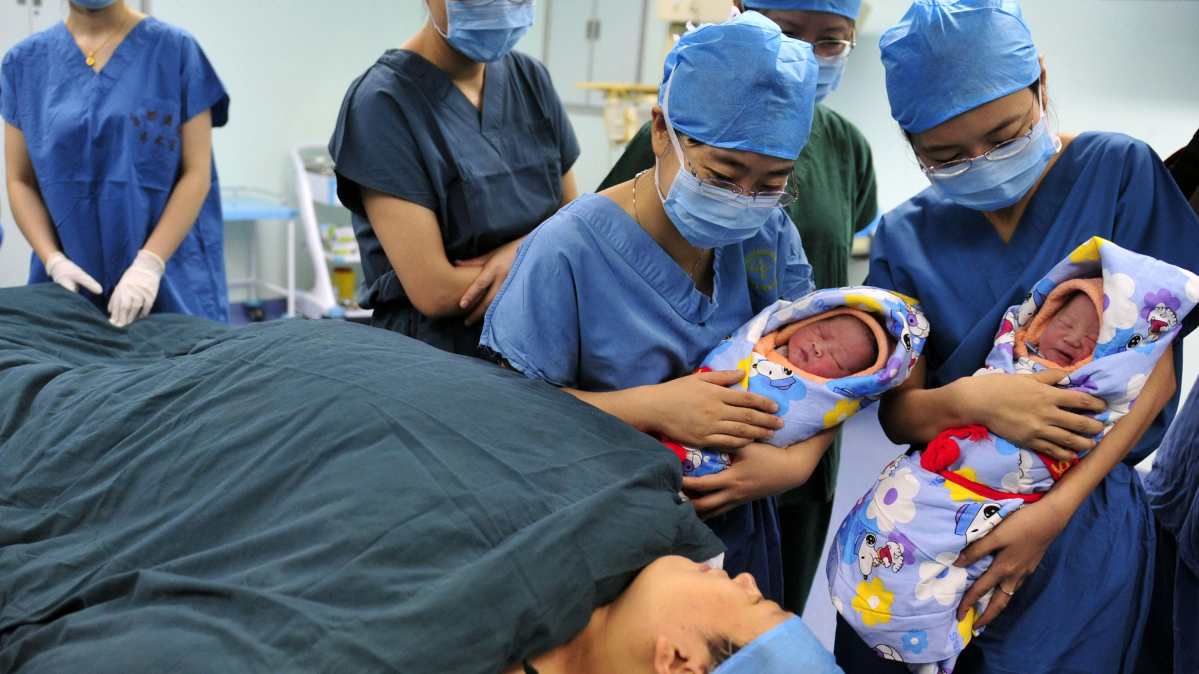
China is moving to make it easier and cheaper for people to have children, with lawmakers reviewing plans to expand maternity insurance coverage nationwide.
Lawmakers in Beijing are reviewing a draft law that would broaden the country’s maternity insurance system, extending coverage to more people and reducing the risk of anyone falling through the cracks.
The proposal is currently in its second round of review by the National People’s Congress Standing Committee, the country’s top legislative body. Under the draft, those enrolled in maternity insurance would receive support for childbirth-related medical costs and maternity allowances.
Crucially, non-working spouses would also be covered for birth-related medical expenses - a significant change that acknowledges how many families are structured in reality.
Response to demographic decline
The timing is deliberate. China’s population has been shrinking since 2022, while its elderly population continues to grow. The government has long been concerned about falling birth rates and has introduced a range of incentives, including childcare subsidies, housing support and increased nursery provision, to encourage families to have more children.
Expanding maternity insurance is the latest measure, with officials hoping that lowering the financial burden of childbirth will gradually influence family planning decisions.
Support for flexible workers
One group expected to benefit significantly is the more than 200 million people in China engaged in so-called flexible employment - including delivery riders, ride-hailing drivers, freelancers and the self-employed. These workers have traditionally been harder to reach with social protections.
Some provinces, including Jilin in the north-east and Hainan in the south, have already begun integrating such workers into the maternity insurance system. The proposed law would formalise this approach at a national level.
The human impact is already visible in areas where reforms have been piloted. One self-employed woman in Hainan said her total out-of-pocket cost for giving birth last year came to just 80 yuan (roughly 12 U.S. dollars) because her insurance covered the rest. For her, the prospect of the reform becoming national law brought genuine relief.
Wider implications for healthcare
The changes extend beyond individual benefits. By bringing more workers into the formal system, the law would strengthen the legal foundation of China’s broader healthcare security framework, which has long been characterised by overlapping rules and regional variation.
The draft also encourages the development of commercial health insurance and charitable healthcare contributions, signalling that the government views private and civil society actors as partners in building a more resilient safety net.
Uncertain impact on birth rates
Whether the policy will significantly affect China’s birth rate remains uncertain. Economists and demographers caution that decisions about having children are influenced by far more than insurance coverage, with deep-rooted cultural and economic pressures shaping choices for many young families.
However, for millions of workers previously excluded from such protections, the reform represents a tangible step towards greater financial security and peace of mind.
























What is your opinion on this topic?
Leave the first comment