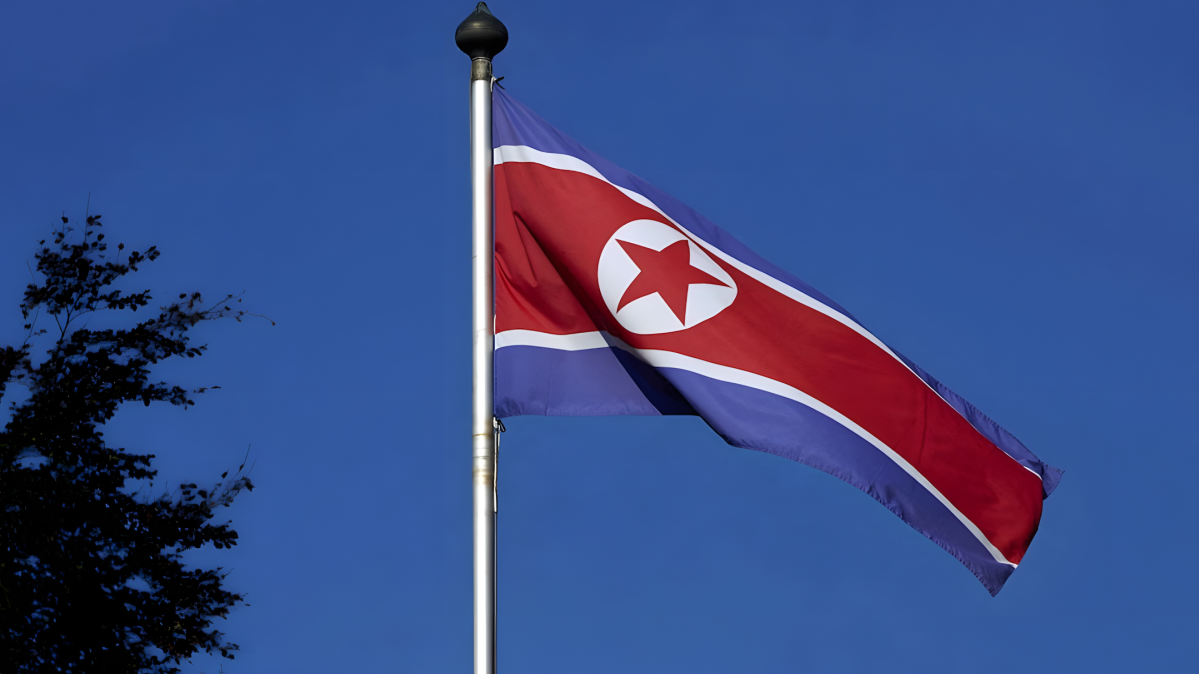
The global health crisis gave one of the world’s most secretive states cover to intensify a lethal domestic crackdown.
While global attention focused on the virus, authorities in Pyongyang used extreme isolation to eliminate perceived internal threats, targeting those exposed to outside information.
According to a report released on Monday by the Seoul-based Transitional Justice Working Group (TJWG), the state sharply increased its use of capital punishment while its borders were sealed between 2020 and 2024. The organisation documented 60 execution events resulting in 148 deaths during the lockdown period, compared with 41 executions over the previous five years.
The group based its findings on interviews with 880 North Korean defectors in South Korea, supported by satellite imagery used to identify execution sites. It cautioned that the figures are unlikely to be complete.
The data indicates a shift in legal priorities. Before the pandemic, violent crimes such as murder were the main grounds for the death penalty. During the lockdown, however, violations of bans on foreign culture and religious activity accounted for most executions.
Consuming or distributing South Korean entertainment, including television dramas and films, became punishable by death under new laws aimed at restricting outside influence.
Hubert Lee, executive director of the TJWG, said executions were carried out not only near the Chinese border but also in inland provinces. This suggests foreign media had spread widely across the country, raising concern within the ruling Workers’ Party.
To counter this, the state used public executions to deter others and limit awareness of economic and social differences between North Korea and South Korea.
Political purges and the shadow of succession
The report also points to a rise in executions linked to political offences. During the pandemic period, 28 such cases were recorded, compared with four in the years before.
This increase suggests Supreme Leader Kim Jong Un used the emergency to suppress dissent and enforce ideological control while the country remained largely closed to outside scrutiny.
Although North Korea has begun to ease some restrictions - allowing citizens to return from abroad in 2023 and resuming limited train services with China - the state’s control over its population remains strong.
This is reflected in the falling number of defectors. South Korean government data shows 223 people reached the South in 2025, down from 1,275 in 2015. Tightened border controls and expanded surveillance introduced during the COVID-19 period have made escape increasingly difficult.
International monitors warn executions could rise again amid uncertainty over succession. In recent years, Kim has increasingly appeared in public with his daughter, widely known as Ju Ae, signalling her as a potential successor.
Hubert Lee warned that a transition of power could lead to further purges. "The number of executions may surge when the time for Ju Ae to succeed is imminent, to remove the inner circle of her father and appoint her people," he said.
Requests for comment from North Korean embassies in London and Singapore, and the country’s mission to the United Nations, received no response.












What is your opinion on this topic?
Leave the first comment