At least seven students killed in explosion near school in Afghanistan
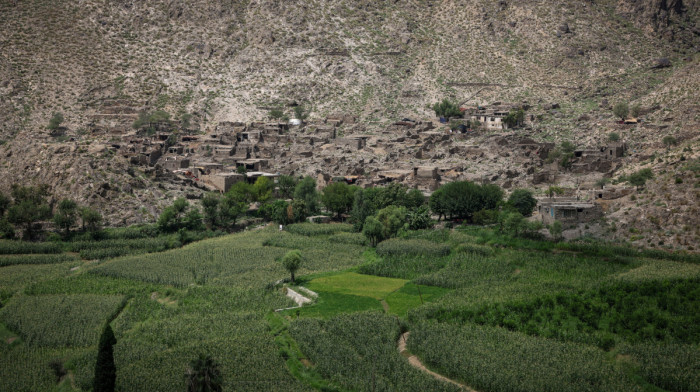
At least seven students have been killed and multiple others injured in an explosion near a middle school in Asadabad, the capital of Kun...
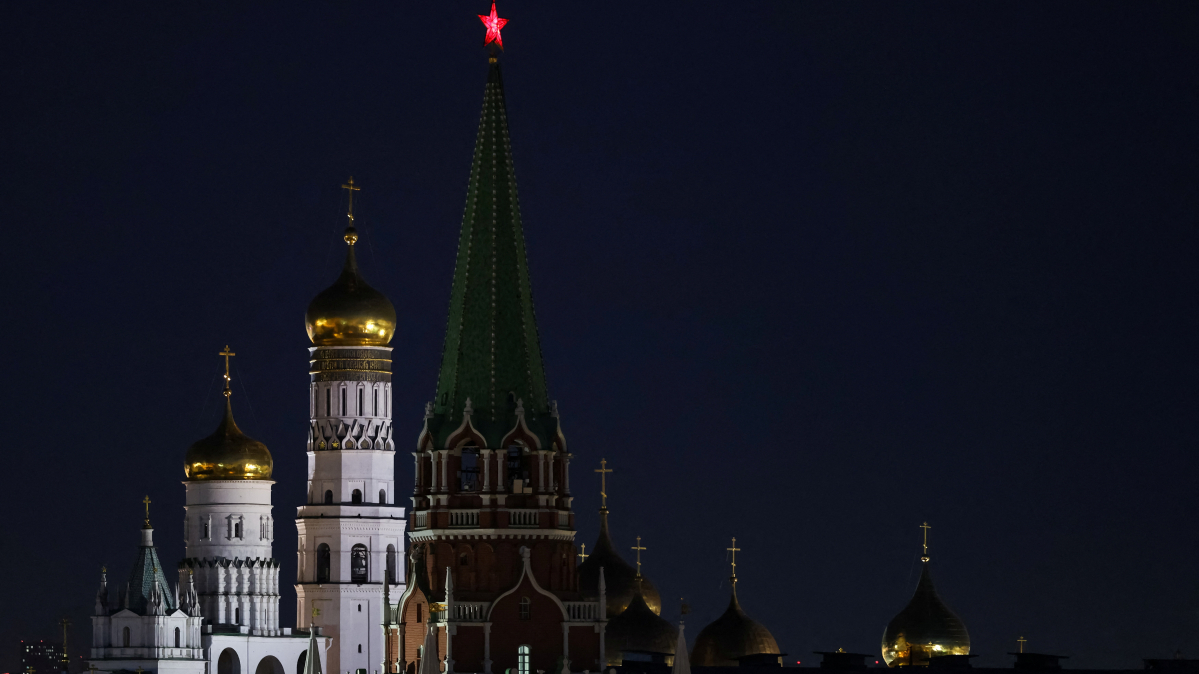
Russia has significantly expanded its blacklist of European Union officials and figures banned from entering the country, in retaliation for Brussels’ newly approved 20th sanctions package against Moscow.
The announcement was made on Monday by the Russian Foreign Ministry, which accused the EU of continuing efforts to pressure Russia through what it described as unilateral restrictive measures.
Moscow said the bloc’s actions were “destructive” and claimed they violated international legal norms.
According to the ministry, the broadened blacklist now includes civil society activists and academics in European countries whom Russia says hold hostile views towards Moscow.
It also covers members of national parliaments across EU member states, as well as lawmakers in the European Parliament who voted in favour of anti-Russian resolutions and legislation.
Russia further said it had barred representatives of European institutions and EU states involved in decisions to provide military aid to Ukraine.
Moscow did not immediately publish a full list of names.
The move follows last week’s agreement by EU leaders on a €90 billion loan package for Ukraine and a sweeping 20th round of sanctions targeting Russia’s energy, banking, defence and logistics sectors.
António Costa said on Thursday the package was designed to maintain pressure on Russia while supporting Kyiv.
The latest sanctions round also included new vessel bans, tighter export controls and additional restrictions on Russian financial institutions.
Russia has repeatedly imposed travel bans on Western officials since the start of the war in Ukraine, mirroring sanctions introduced by the EU, the U.S. and its allies.
The widening of Moscow’s blacklist signals that diplomatic retaliation between Russia and the West remains entrenched as the conflict continues.

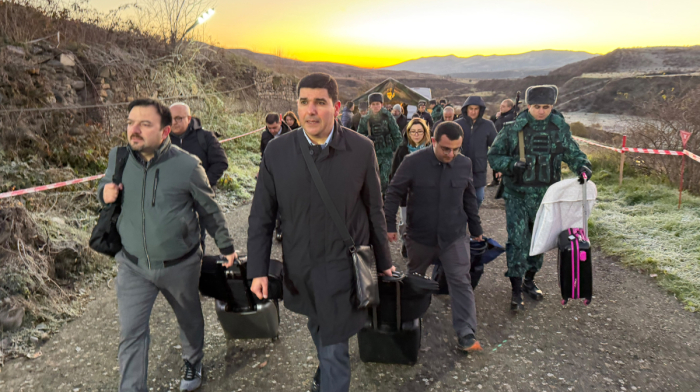
Civil society representatives from Armenia and Azerbaijan are meeting in Armenia on 26 and 27 November, in the latest round of talks aimed at building support for peace.
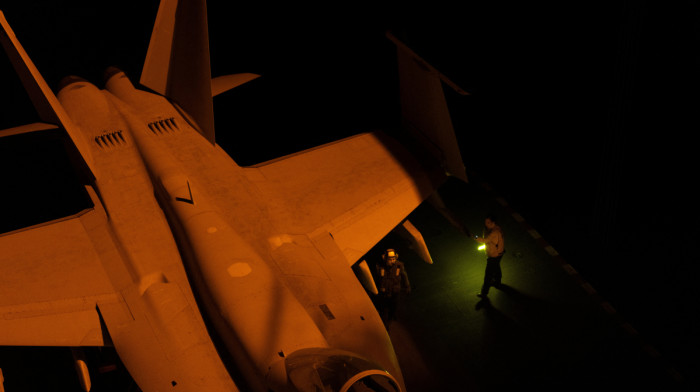
Iran's Islamic Revolutionary Guard Corps (IRGC) claimed on Friday that its air defence systems fired warning shots at a U.S. F-16 fighter jet near Hengam Island, forcing the aircraft to turn away amid continuing tensions over maritime navigation in the Strait of Hormuz.
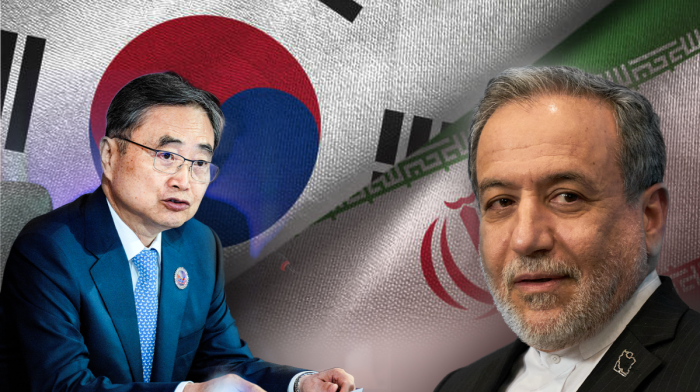
Iran has warned that the presence of foreign forces in the Gulf could escalate regional tensions as South Korea considers expanding its naval operations near the Gulf of Oman to protect commercial shipping.
Spain votes on 29 November in a snap election that could give the far right a place in national government for the first time since General Francisco Franco's dictatorship ended in 1975.
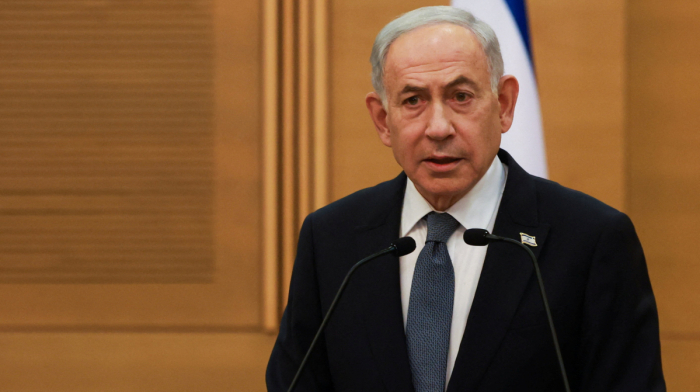
Israeli judges have recommended dropping one of the three corruption cases against Prime Minister Benjamin Netanyahu and reconsidering another, dealing a setback to prosecutors in his long-running trial.
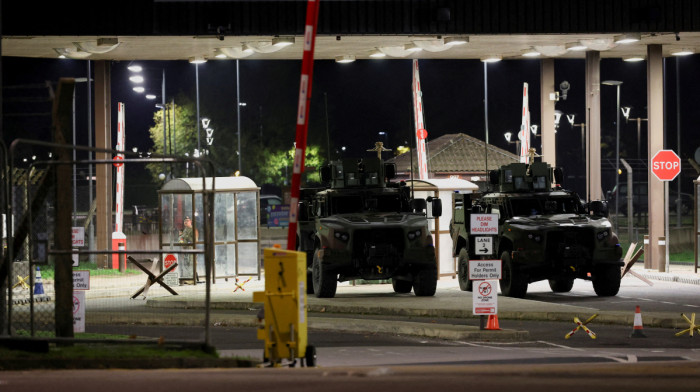
U.S. forces repelled half a dozen drones that swarmed a UK airbase earlier in November in an incident suspected to be linked to Iran, the Financial Times reported on Saturday 28 November, citing people familiar with the matter.
UEFA has launched an investigation into clashes between Beşiktaş J.K fans and Georgian police that briefly halted the Turkish side’s Europa League match against Israel’s Hapoel Be'er Sheva F.C on Thursday (26 November).
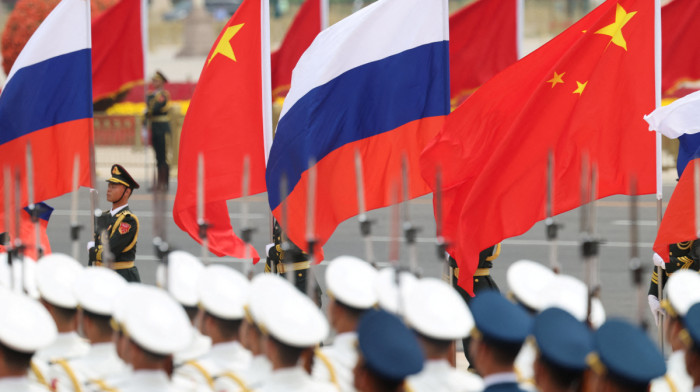
The Chinese and Russian militaries have held strategic consultations via video conference, with both sides pledging to strengthen communication and coordination as they seek to deepen defence ties and address evolving international and regional security challenges.
Hackers have penetrated one of the U.S. military's most important cloud computing environments, according to a Reuters report citing multiple sources familiar with the matter, prompting an emergency assessment of a platform that supports everything from logistics to air-defence operations.
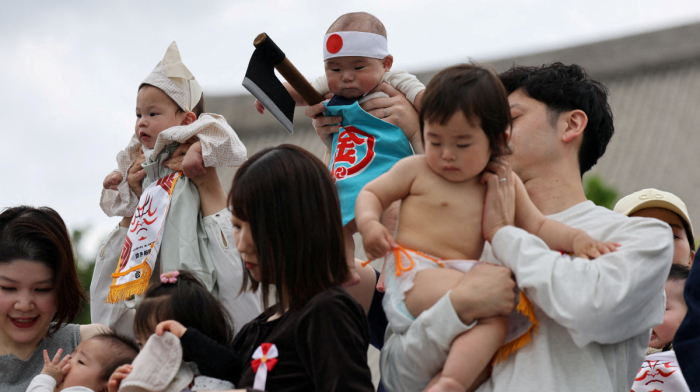
Japan's ruling Liberal Democratic Party (LDP) proposed on Friday paying families 10 million yen ($62,715) for their third and each subsequent child as the country grapples with a record-low fertility rate and a rapidly ageing population.
You can download the AnewZ application from Play Store and the App Store.
What is your opinion on this topic?
Leave the first comment