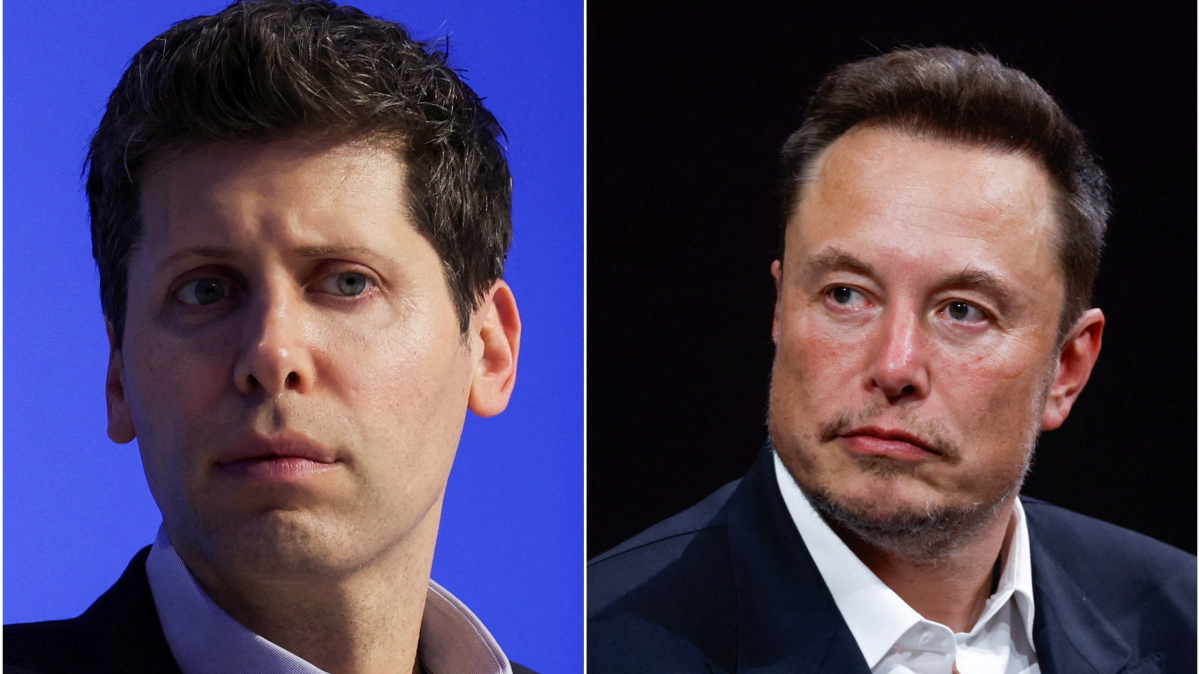
A pivotal trial that could shape the governance of artificial intelligence begins Tuesday in California, as Elon Musk and Sam Altman face off over OpenAI’s shift to a for-profit model.
Opening statements in Musk’s civil lawsuit against OpenAI and Altman will be heard in federal court after a jury of nine was selected on Monday.
Yvonne Gonzalez Rogers, U.S. District Judge, has indicated she expects jurors to begin deliberations on liability by 12 May.
Musk alleges that Altman and OpenAI president Greg Brockman abandoned the company’s founding mission to develop artificial intelligence for the benefit of humanity, instead turning it into what he describes as a “wealth machine” for investors.
He is seeking $150 billion in damages from OpenAI and its major backer Microsoft, with any award reportedly directed to OpenAI’s charitable arm. Musk is also asking for the organisation to revert to nonprofit status and for Altman and Brockman to be removed from leadership roles.
Musk, who helped co-found OpenAI in 2015 and reportedly contributed around $38 million in early funding, claims the company shifted towards a for-profit structure in 2019 after he left its board.
OpenAI disputes this, arguing Musk was aware of and supported the transition and only filed suit after failing to become chief executive and launching his own AI company.
Battle over AI’s direction
The case is expected to feature testimony from Musk, Altman and Satya Nadella, and could provide rare insight into the early internal dynamics of one of the world’s most influential AI companies.
OpenAI argues Musk has attempted to undermine its growth while building his own competing AI venture, xAI, which it says trails OpenAI in usage and scale.
The dispute comes as OpenAI continues to expand rapidly, facing competition from firms including Anthropic and investing heavily in computing infrastructure. Reuters has reported the company could eventually pursue an IPO valuing it at up to $1 trillion.
Originally founded as a nonprofit research lab, OpenAI has since evolved into a hybrid structure involving a public benefit corporation model, with both nonprofit and investor stakes.
The outcome of the trial could influence not only OpenAI’s future structure but also broader expectations around governance, accountability and commercialisation in the fast-growing AI sector.


















What is your opinion on this topic?
Leave the first comment