IBM warns AI spending shift is hitting core business
IBM has warned that a surge in spending on artificial intelligence infrastructure is weighing on its core business, in one of the clearest signs yet o...
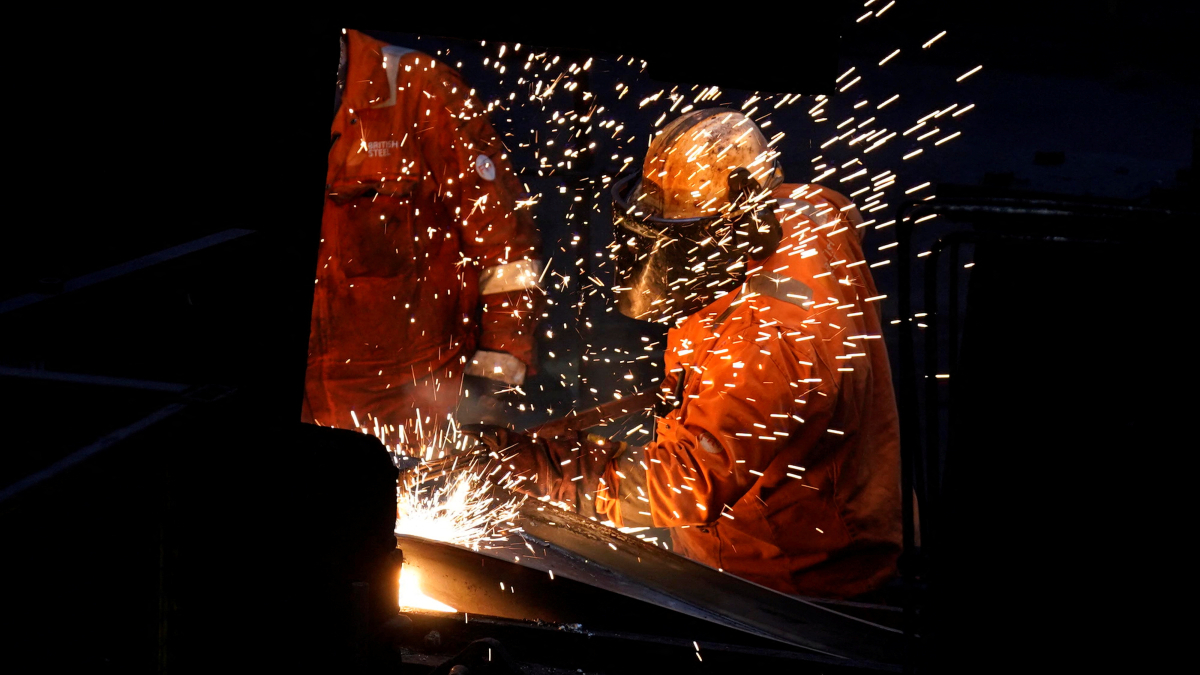
British Steel has secured a multi-million-pound order to supply rail for a major high-speed railway in Türkiye. Backed by UK Export Finance, the deal will see 36,000 tonnes of rail used on a 599km line between Ankara and İzmir, prompting the company to resume round-the-clock production.
The eight-figure contract has been awarded by ERG International Group, which is delivering the Ankara–İzmir High-Speed Rail Project on behalf of the Turkish government. Once completed, the line will be operated by Turkish State Railways.
The new high-speed railway is expected to reduce journey times between Ankara and İzmir by more than 10 hours. It will also help cut carbon emissions by providing a cleaner alternative to road and air travel.
For British Steel, the contract represents a significant commercial milestone. The scale of the order has led to the creation of 23 new roles and the resumption of 24/7 rail manufacturing operations at its Scunthorpe site for the first time in more than a decade.
Lisa Coulson, Chief Commercial Officer at British Steel, described the agreement as a prestigious win that underlines the company’s global competitiveness.
“The deal highlights British Steel’s capability to deliver sustainable track systems for major infrastructure projects and reinforces its importance as the UK’s only rail manufacturer,” Coulson said.
The new contract comes after the UK government took control of British Steel’s plant in Scunthorpe in April to prevent its closure.
Industry Minister Chris McDonald said the order was positive news for UK steelmaking and aligned with the government’s Steel Strategy.
“Every tonne of British-made steel used in projects at home and abroad helps sustain skilled employment and reinforces its quality for the world’s most ambitious engineering projects,” he said.

The United States carried out a third consecutive night of airstrikes against Iran, targeting military capabilities around the Strait of Hormuz as Donald Trump announced the reinstatement of a blockade on Iranian shipping and proposed a 20% fee on cargo passing through the strategic waterway.
President Ilham Aliyev is holding his annual question-and-answer session with international journalists at the 4th Shusha Global Media Forum in Azerbaijan.
The United States and Iran have significantly escalated their conflict, exchanging heavy missile and drone strikes across the Gulf region. Iran claims it has once again closed the Strait of Hormuz, a vital global shipping route.
Start your day informed with AnewZ Morning Brief. Here are the top news stories for the 13th of July, covering the latest developments you need to know.
An overnight fire at a popular bar in Bangkok has killed at least 30 people and injured 70 others, making it one of the deadliest pub disasters in the Thai capital in recent years. Authorities say the venue quickly filled with thick smoke, trapping patrons inside.
President Ilham Aliyev has approved an agreement between the governments of Azerbaijan and Georgia on the supply of natural gas to Georgia, marking another step in energy cooperation between the two neighbouring countries.
Türkiye's first unmanned fighter aircraft has successfully completed a live-fire test using a domestically developed supersonic missile, striking a target more than 120 kilometres away over the Black Sea in another milestone for the country's defence industry.
Afghanistan and Türkiye are considering a tourism agreement to promote historic and religious sites, ease travel and train tourism workers, Afghan authorities said after talks in Kabul on Monday.
Pakistan has allowed a United Nations World Food Programme (WFP) aid convoy to enter Afghanistan through the Torkham border crossing, granting a rare humanitarian exemption despite months of restrictions on cross-border movement amid heightened security tensions with Afghanistan.
Climate change could leave Kazakhstan facing severe water shortages, longer heatwaves and mounting economic losses within decades, as rising temperatures and shrinking glaciers reshape water security across Central Asia, scientists warn.
You can download the AnewZ application from Play Store and the App Store.
What is your opinion on this topic?
Leave the first comment