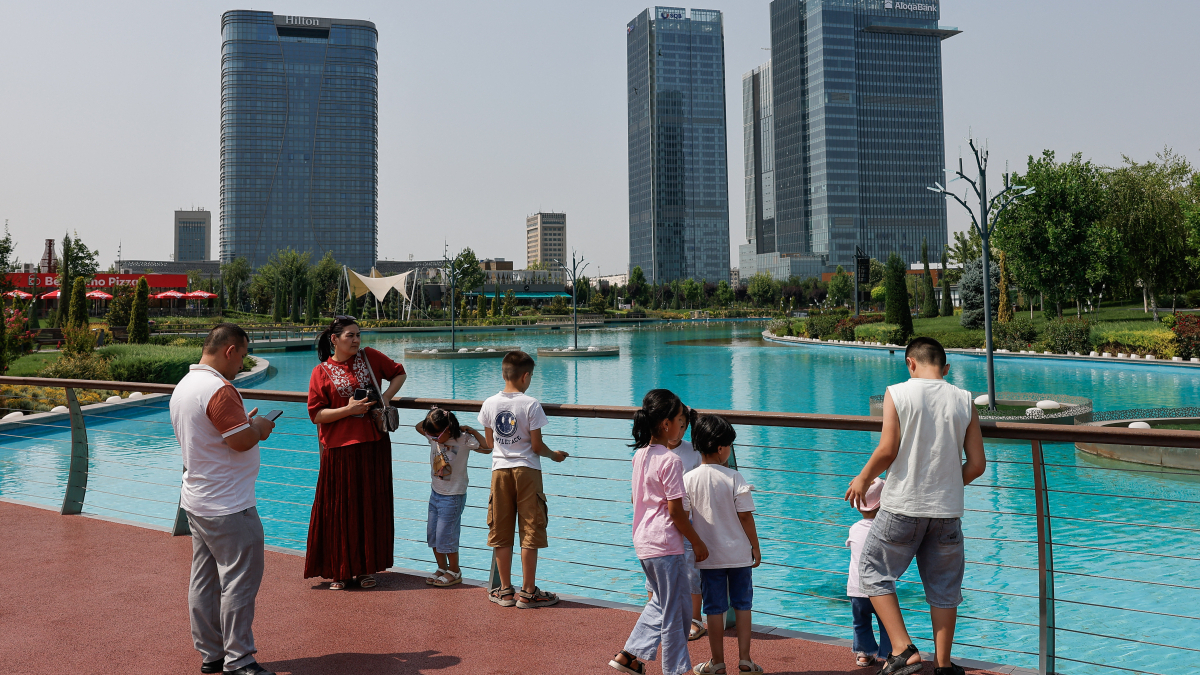
Uzbekistan has launched an urgent environmental reform package after recent air-quality data revealed serious pollution problems, particularly in Tashkent
The data also revealed heightened human impact on air cleanliness across the country.
Approximately 40% of airborne dust in Tashkent comes from anthropogenic sources - industrial emissions, transport, and human activity - while the remaining 60 % is natural dust.
The findings alarmed top officials, prompting a response from the highest levels of government.
President Shavkat Mirziyoyev instructed environmental and regional authorities to intensify emission control, enforce stricter air-quality standards, and accelerate green-space creation.
The initiative applies not only to the capital, but to all regions of the country.
As part of the reform, construction has started on six waste-to-energy complexes, aimed at both waste disposal and electricity generation.
The total value of these projects is $933 million. Authorities have also closed 47 old landfills, reclaiming a total of 243 hectares of land to be returned to nature.
Most of the remaining 132 active waste sites lack proper infrastructure - no protective fencing, water supply, green belts, or environmental safeguards.
The government has tasked regional administrations, together with the National Ecology Committee, to fix existing problems and launch new projects in all regions by 2026.
From 2026, the state will allocate 150 billion UZS ($12,5 billion) annually to create green belts around former and current landfills. Trees and vegetation will serve as natural buffers, reducing dust and improving air quality.
The reform also aims at broader ecological changes: rehabilitating irrigation canals, limiting emissions from factories and greenhouses (including installing filters at a greenhouse in Kibray that burns 150 kg of coal daily), and setting up a national system for tracking and disposing hazardous waste. The goal is to transform landfills into “environmentally safe zones” and link environmental policy with industrial and energy planning.
According to the head of the Presidential Administration, Saida Mirziyoyeva, this is not only a waste-management update but a long-term shift in environmental culture and sustainability across Uzbekistan.











What is your opinion on this topic?
Leave the first comment