U.S. aims for March peace deal in Ukraine, quick elections, sources say
U.S. and Ukrainian negotiators have discussed an ambitious March goal for Russia and Ukraine to agree on a peace deal, though that timeline is likely ...
Uzbekistan and the United States have signed strategic agreements worth more than hundred billion dollars, with agreements including relaxed visa rules for citizens of both countries.
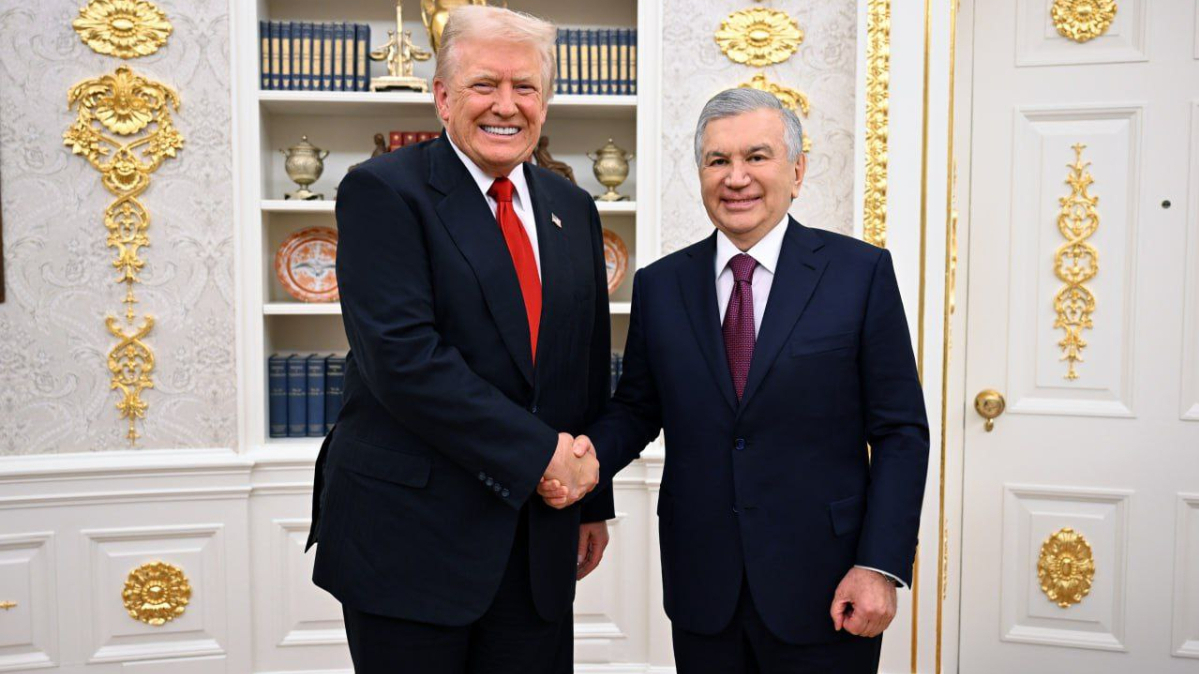
U.S. President Donald Trump and Uzbek President Shavkat Mirziyoyev announced the landmark package of trade and investment agreements at the C5+1 summit in Washington.
The deals are expected to roll out over the next decade, marking a new phase in U.S.–Uzbekistan economic cooperation.
President Trump shared on his social media Truthsocial, that Uzbekistan would invest almost $35 billion in the United States within the next three years and over $100 billion over the next decade across sectors such as energy, aviation, automotive parts, infrastructure, agriculture and information technology.
"We look forward to a long and productive relationship between our Countries!" he said.
The agreements are expected to be funded by the Export-Import Bank of the United States and the U.S. International Development Finance Corporation.
Several U.S. logistics and IT firms will open offices in IT Park Uzbekistan, providing outsourcing, dispatching and recruitment services, while creating hundreds of new jobs and training opportunities for local specialists.
Talks in Washington also touched on the Jackson–Vanik Amendment, a Cold War-era U.S. trade restriction. American legislators described it as “a relic of the past”, signalling readiness for its repeal.
Uzbekistan will introduce visa-free travel for U.S. citizens from 2026, while proposing ten-year multiple-entry visas for its nationals.
Analysts say the announcements mark a shift from diplomatic engagement to substantive economic partnership.
Uzbekistan gains greater access to global investment and markets, while the United States strengthens its foothold in Central Asia’s fast-growing economy and critical mineral supply chain.

Storm Leonardo hit Spain and Portugal on Tuesday, forcing more than 11,000 people from their homes, as a man in Portugal died after his car was swept away by floodwaters and a second body was found in Malaga.
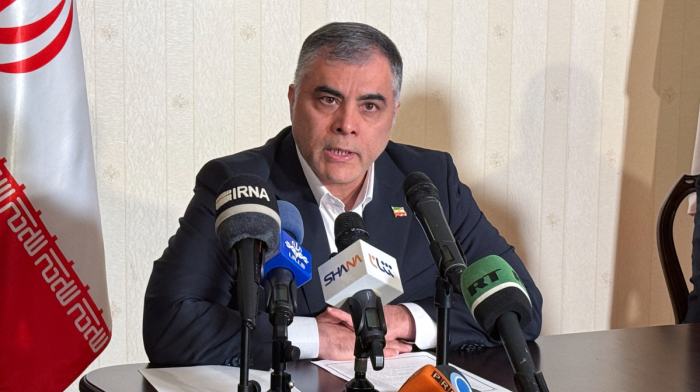
Iran would retaliate by striking U.S. military bases across the Middle East if it comes under attack by American forces, Foreign Minister Abbas Araghchi said on Saturday (7 January), stressing that such action should not be seen as targeting the countries hosting those bases.
At least 31 people have been killed and scores wounded in a suicide bombing at a mosque in Pakistan’s capital, Islamabad, during Friday prayers, prompting widespread international condemnation.
U.S. and Ukrainian negotiators have discussed an ambitious goal of reaching a peace agreement between Russia and Ukraine by March, though the timeline is widely viewed as unrealistic due to deep disagreements over territory, according to multiple sources familiar with the talks.
A Japanese city near Mount Fuji has cancelled its annual cherry blossom festival, saying growing numbers of badly behaved tourists are disrupting daily life for residents.
The Board of Peace created by U.S. President Donald Trump will hold its first leaders meeting on 19 February in Washington, a U.S. government official confirmed, marking the board's formal debut after weeks of global scrutiny.
Benjamin Netanyahu will meet Donald Trump in Washington on Wednesday, a date brought forward as indirect U.S.-Iran nuclear talks in Oman restart and Tehran presses its enrichment rights while ruling out missile negotiations.
Saudi Arabia and Syria have signed agreements worth about $5.3bn aimed at boosting cooperation across aviation, telecommunications and water infrastructure, marking one of the largest economic initiatives since Syria’s leadership change.
U.S. has become a central outside power in the south caucasus, shaping diplomacy, security and energy flows. Its relations with Azerbaijan and Armenia have evolved from similar beginnings into two distinct partnerships that now define Washington’s role in the region.
Iran would retaliate by striking U.S. military bases across the Middle East if it comes under attack by American forces, Foreign Minister Abbas Araghchi said on Saturday (7 January), stressing that such action should not be seen as targeting the countries hosting those bases.
You can download the AnewZ application from Play Store and the App Store.
What is your opinion on this topic?
Leave the first comment