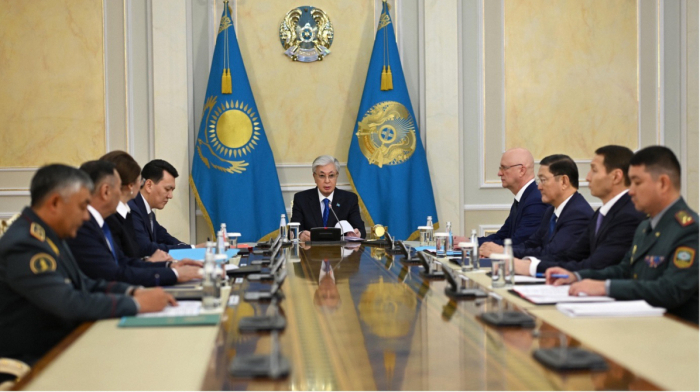
On 16 December, Kazakhstan marked 33 years of independence, showcasing its steady progress and growing influence in Central Asia. Since gaining sovereignty in 1991, the nation has become a pivotal regional player, fostering ec
Key Role in Eurasian Connectivity
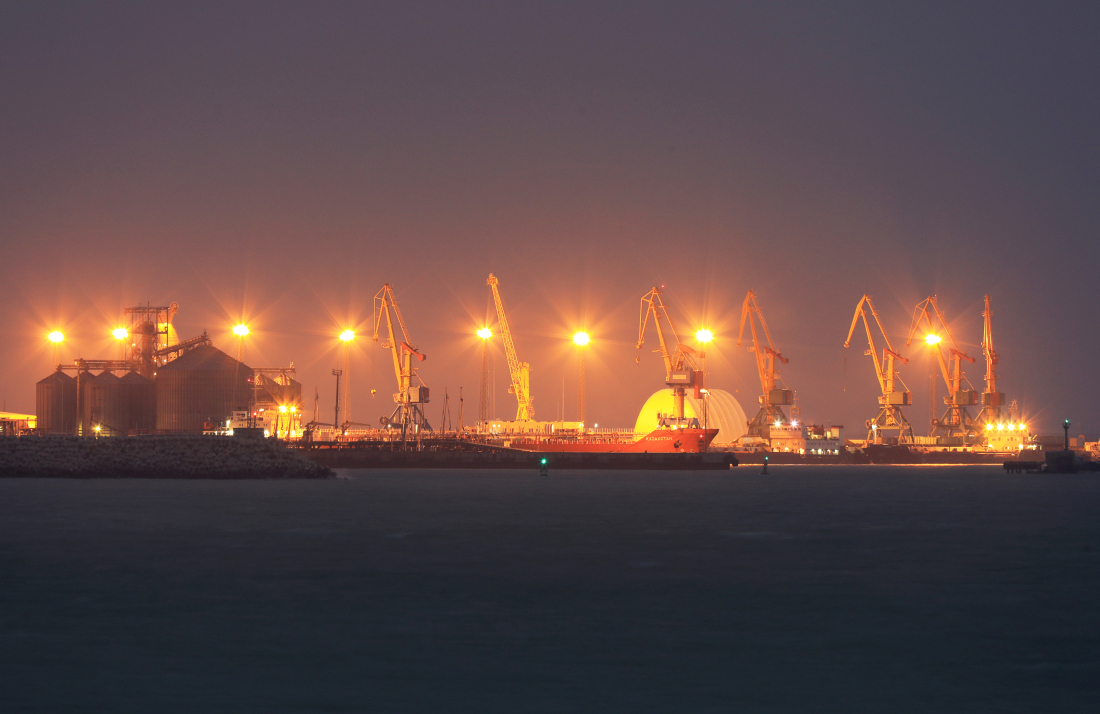
Kazakhstan and Azerbaijan’s partnership is exemplified by their collaboration on the Middle Corridor, a vital trade route linking China, Central Asia, and Europe. The Aktau Port on the Caspian Sea, combined with Azerbaijan’s Port of Baku, forms a crucial transit hub, facilitating seamless trade and solidifying their roles as vital connectors in Eurasian transport networks.
A significant milestone was reached during COP29 in Baku, where an agreement was signed between Kazakhstan Railways, Azerbaijan’s Port of Baku, and China’s Xi’an Free Trade Port. The deal involves the construction of an intermodal cargo terminal in Alat, spanning an initial 40 hectares. This project is designed to boost cargo handling capacity, lower transportation costs, and reduce unloading times, enhancing the efficiency of the China-Europe trade route.
Advancing Green Energy Collaboration
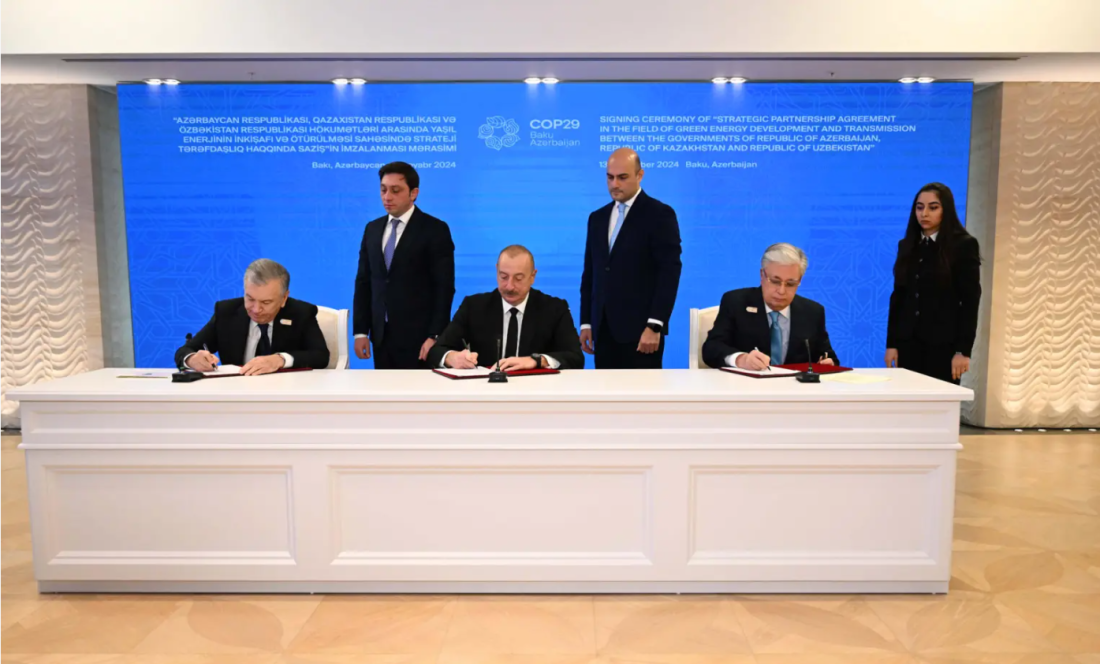
On 13 November, the Presidents of Azerbaijan, Kazakhstan, and Uzbekistan—Ilham Aliyev, Kassym-Jomart Tokayev, and Shavkat Mirziyoyev—signed the “Agreement on Strategic Partnership in the Development and Transmission of Green Energy.
The agreement includes plans for an undersea electric cable across the Caspian Sea, connecting renewable energy infrastructure between Central Asia, the Caucasus, and Europe. President Aliyev emphasised its significance as a historic step in integrating renewable energy development and strengthening connections from the Caspian and Black Seas to Europe.
Expanding Economic Ties
Kazakhstan and Azerbaijan’s economic ties are deeply rooted in energy and transport cooperation. Kazakhstan exports oil via Azerbaijan’s infrastructure, including the Baku-Tbilisi-Ceyhan pipeline. Steady trade growth has been supported by the Aktau Port, which plays a key role in container traffic and connectivity across Eurasia.
Shared Heritage and Regional Unity
Beyond economic collaboration, the two nations share a common Turkic heritage and actively promote unity through the Organization of Turkic States. Cultural initiatives and educational exchanges further strengthen their historical ties and mutual understanding.
Strategic Political Relations
Since establishing diplomatic ties in 1992, Kazakhstan and Azerbaijan have built a strong foundation for cooperation. High-level visits and agreements have deepened their strategic partnership, underpinned by a shared commitment to regional stability and growth.
A Vision for Greater Connectivity
The Middle Corridor, bolstered by the Aktau-Baku partnership and recent agreements, embodies Kazakhstan and Azerbaijan’s dedication to progress. The two nations are paving the way for enhanced connectivity across Central Asia, the Caucasus, and Europe by integrating trade, energy, and infrastructure.
Kazakhstan’s 33 years of independence symbolize its economic leadership and regional cooperation achievements. Its enduring ties with Azerbaijan reflect a forward-looking vision, connecting continents through innovative projects, energy corridors, and strategic infrastructure.















What is your opinion on this topic?
Leave the first comment