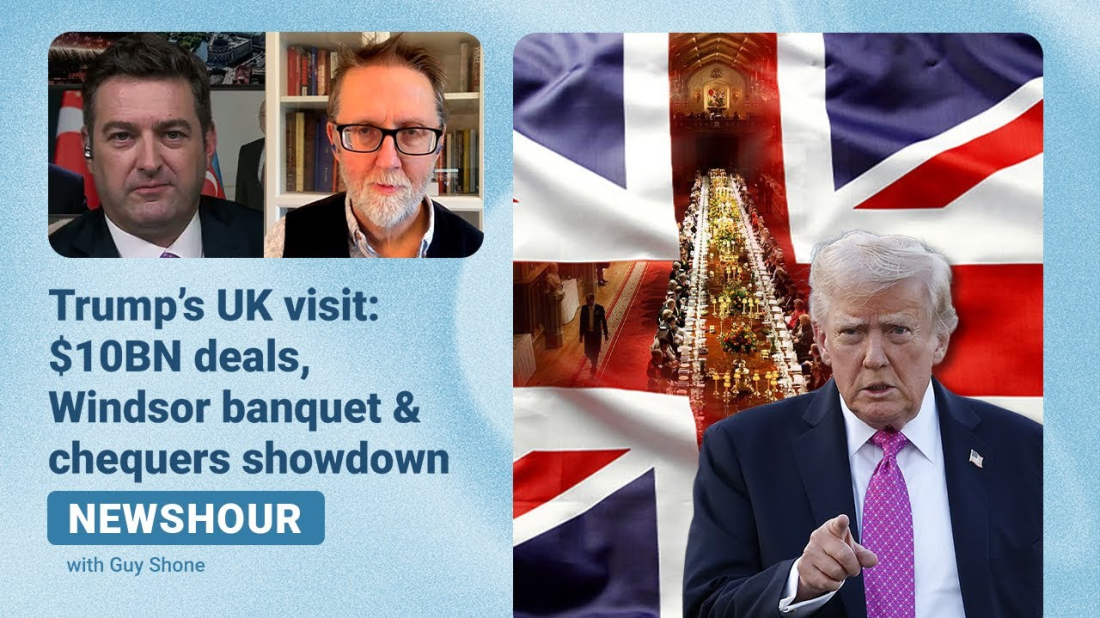
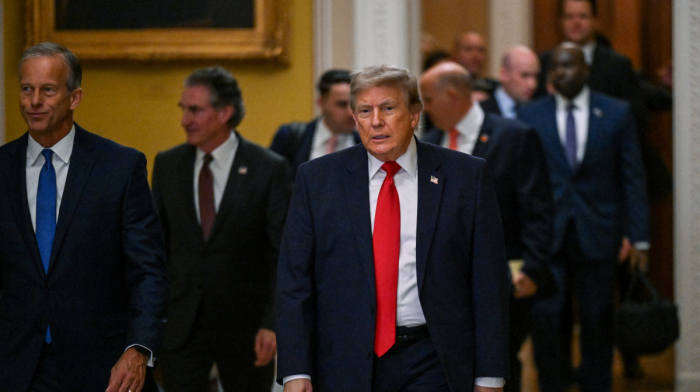
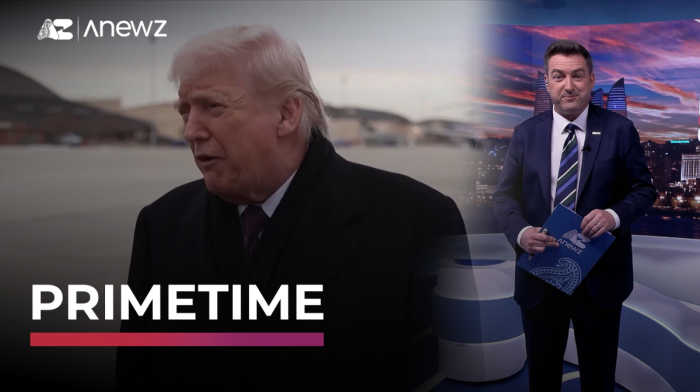
U.S. President Donald Trump has arrived in Britain for his second state visit, greeted with royal pageantry and political tension. The three-day visit includes a ceremonial welcome at Windsor Castle by King Charles III, a state banquet, and talks with Prime Minister Keir Starmer at Chequers.
Washington says more than $10 billion in trade and defense deals will be announced, covering technology, civil nuclear energy, and defense cooperation. U.S. officials call the visit a showcase of the “special relationship” and a platform for new investment between the two countries.
The trip comes as protests unfold in London and Windsor. A new Ipsos poll shows 61% of Britons dislike Trump, though nearly half support the visit going ahead.
Starmer faces his own challenges after dismissing Lord Mandelson over alleged links to Jeffrey Epstein, a scandal that risks overshadowing the carefully managed diplomacy.
Analysts say Trump relishes the royal treatment but warn that the visit may be more about symbolism and ego than substance. Europe, meanwhile, watches closely as both sides reaffirm ties amid uncertainty over Ukraine, trade, and global security.
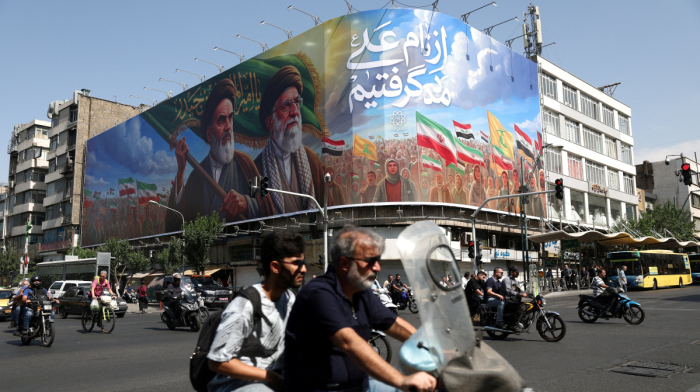
The UN's International Maritime Organization has paused escort operations through the Strait of Hormuz after a cargo ship was reportedly attacked near...
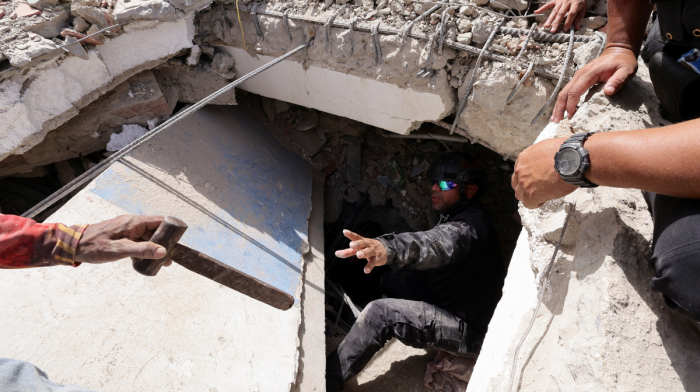
Tens of thousands of people are still unaccounted for after two powerful earthquakes struck Venezuela. At least 589 people have been confirmed dead a...
An aircraft roughly the size of a car crashed into Beijing's tallest skyscraper on Friday evening, triggering a major emergency response and a heavy p...
Montenegrin police, working alongside the United States' Federal Bureau of Investigation, have arrested an Iranian national accused of carrying out a ...
Kazakhstan has not received an official request from Russia for petrol supplies, Energy Minister Yerlan Akkenzhenov said, as fuel shortages and sales ...
The UN's International Maritime Organization has paused escort operations through the Strait of Hormuz after a cargo ship was reportedly attacked near Oman, with two U.S. officials accusing Iran of the attack.
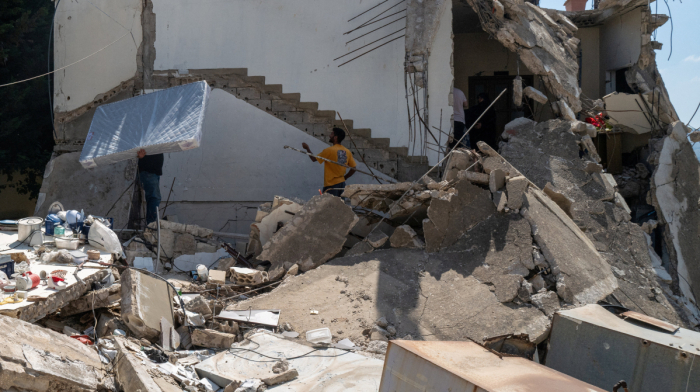
Tens of thousands of people are still unaccounted for after two powerful earthquakes struck Venezuela. At least 589 people have been confirmed dead and hundreds are believed to be trapped under rubble, as emergency crews and international rescue teams race to respond.
An aircraft roughly the size of a car crashed into Beijing's tallest skyscraper on Friday evening, triggering a major emergency response and a heavy police presence as authorities sealed off the area and gave no immediate explanation for the incident.
Montenegrin police, working alongside the United States' Federal Bureau of Investigation, have arrested an Iranian national accused of carrying out a series of cyberattacks that allegedly caused an estimated $3.4 billion in damage to U.S. infrastructure.
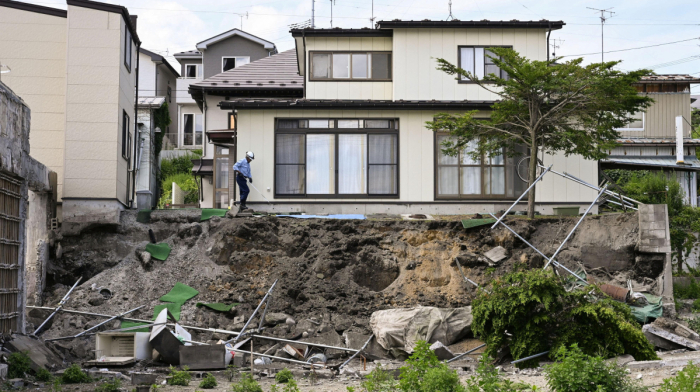
An earthquake of magnitude 6.9 struck Japan's northeast coast on Thursday, but no tsunami warning was issued, no injuries were immediately reported and no irregularities were found at nuclear facilities, the authorities said.
As Western Europe battles a deadly heatwave that has shattered temperature records, disrupted transport and power supplies, and forced the closure of schools and cultural landmarks, attention is turning to whether El Niño is playing a role in the extreme conditions.
Israel's defence minister said on Wednesday Israeli troops will not withdraw from southern Lebanon, highlighting a hurdle to Iran-U.S. peace talks, as the top U.S. diplomat tours the Middle East to win over allies sceptical about a proposed deal.
The U.S. Senate rejected a resolution on Wednesday that would have directed President Donald Trump to remove U.S. forces from hostilities against Iran unless Congress formally authorised military action.
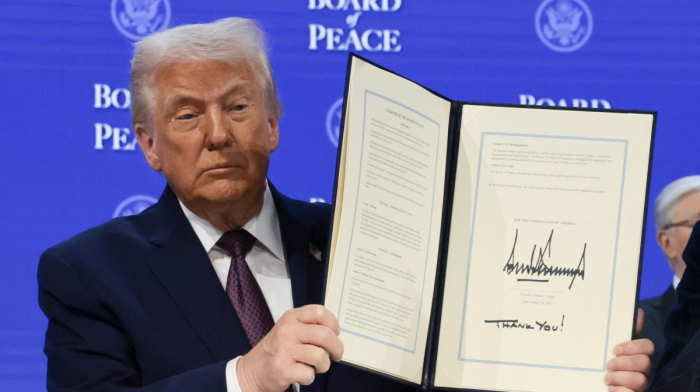
In a special edition of Context, Orkhan Amashov reports from Washington on the inaugural meeting of the Board of Peace, examining plans for Gaza’s reconstruction, a proposed stabilisation force, and the wider diplomatic impact of the U.S.-led initiative.
In today’s Prime Time, we covered the following conversations: Azerbaijan has shipped petroleum products to Armenia by rail for the first time in decades, marking a significant step toward economic cooperation and regional integration in the South Caucasus.













What is your opinion on this topic?
Leave the first comment