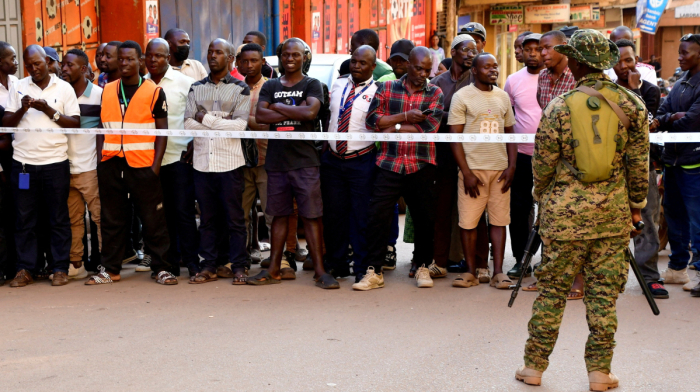
This episode of Inside Politics investigates the heated debate surrounding the Trump administration’s deployment of armed personnel in immigration enforcement. Supporters claim it's a necessary measure to restore border security and deter illegal entry. Critics, however, argue it's a case of militarised overreach—using force not just to police, but to send a political message in an election year. Host Anastasiya Lavrina begins with a report from the U.S.–Mexico border, where federal raids have drawn strong reactions from both affected families and law enforcement officials.
In the studio, she speaks with a guest who supports Trump’s approach. Initial questions explore the rationale behind deploying military-style resources. But the conversation soon shifts to the ethical, legal & societal impact of using armed power in domestic immigration policy.
Is this about public safety—or political theatre? Join us for a balanced, in-depth discussion that goes beyond headlines to the heart of one of America’s most divisive policy debates.
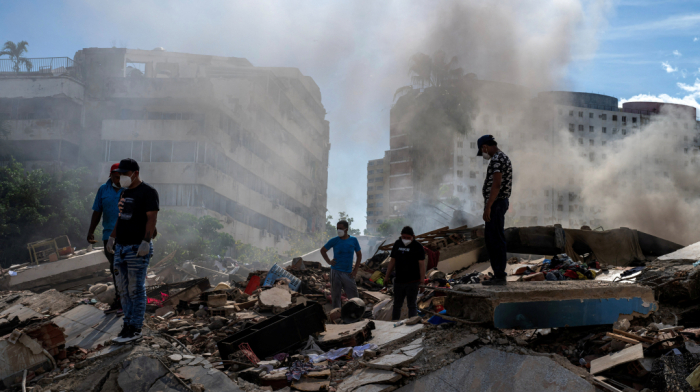
The death toll in the twin earthquakes which rocked Venezuela earlier this week has risen to 1,450, top lawmaker Jorge Rodriguez said on Saturday. Ano...
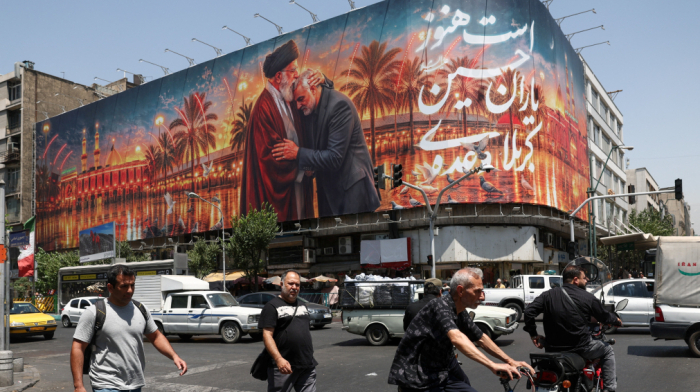
The United States and Iran have agreed to halt strikes against each other, in a potential breakthrough after weeks of escalating tensions. The two sid...
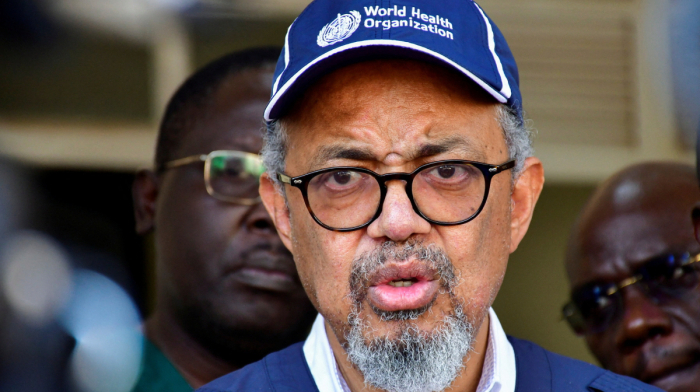
More than 1,300 excess deaths have been recorded across Europe since June 21 as the continent faces extreme heat, World Health Organization Director-G...
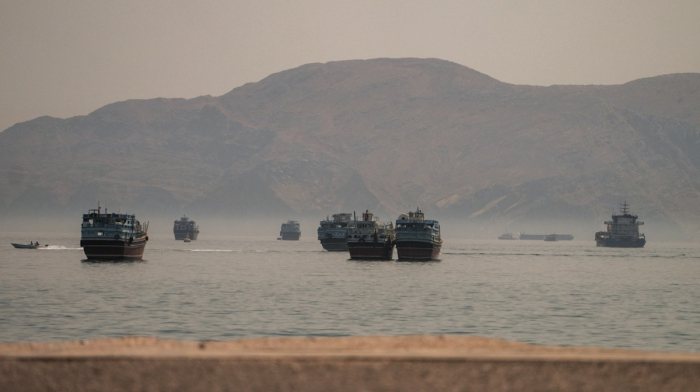
The United States and Iran have agreed to halt strikes against each other, in a potential breakthrough after weeks of escalating tensions. The two sides are expected to meet in Doha on Tuesday to address their dispute over the Strait of Hormuz.
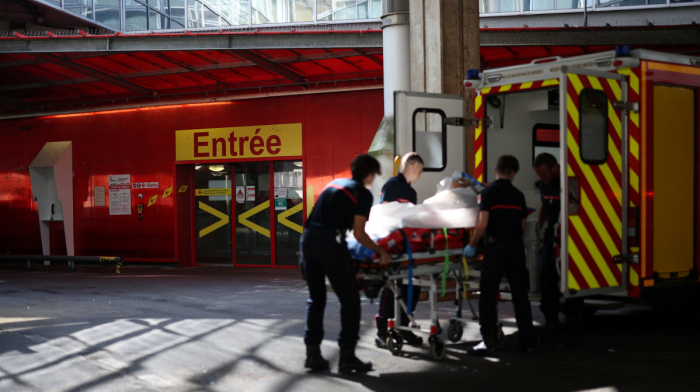
France has recorded 1,000 excess deaths during the severe heatwave that swept across Europe, according to the country's public health agency, which warned the final toll is likely to rise.
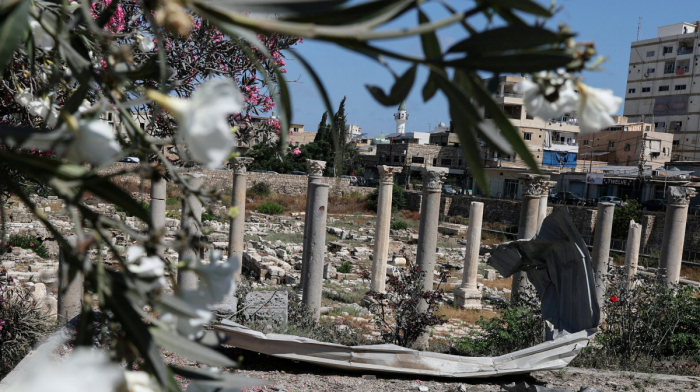
Lebanon says Israeli air strikes and ground operations have damaged or destroyed historic landmarks across the country's south, raising fears that parts of its cultural heritage have been lost forever.
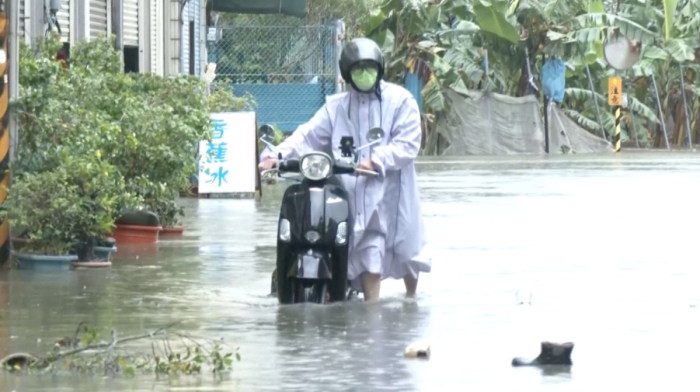
Japan remained on high alert Saturday as Typhoon Mekkhala approached the eastern coast after Typhoon Higos weakened into a tropical depression. Authorities warned of continued heavy rain, flooding, and landslides, according to media reports.
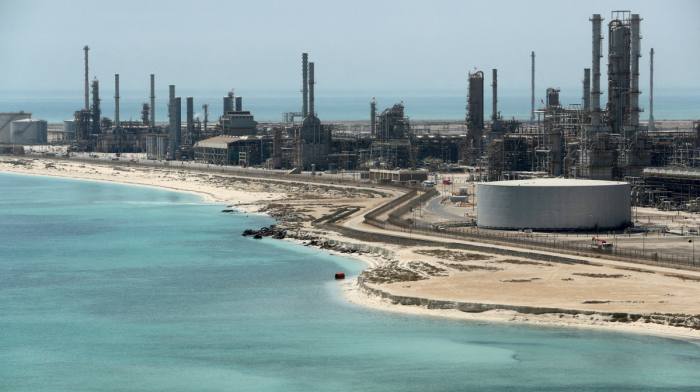
A tanker reported being struck by a projectile in the Strait of Hormuz on Saturday, Britain's maritime security agency said, after the United States and Iran each launched strikes in the worst escalation since they signed their interim peace deal.
Germany and Poland are bracing for sweltering conditions as a deadly heatwave that has gripped Western Europe moves east, with temperatures expected to approach 40°C over the weekend.
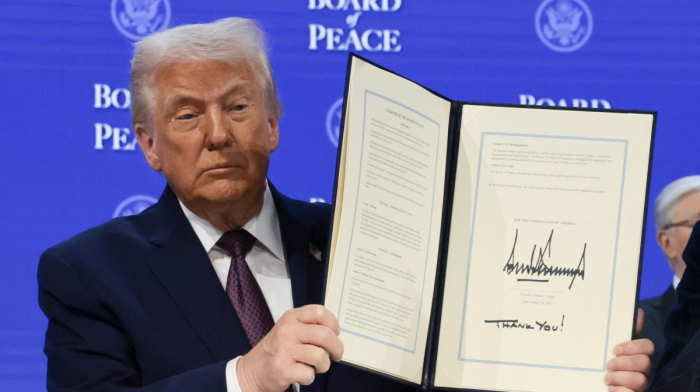
In a special edition of Context, Orkhan Amashov reports from Washington on the inaugural meeting of the Board of Peace, examining plans for Gaza’s reconstruction, a proposed stabilisation force, and the wider diplomatic impact of the U.S.-led initiative.
In today’s Prime Time, we covered the following conversations: Azerbaijan has shipped petroleum products to Armenia by rail for the first time in decades, marking a significant step toward economic cooperation and regional integration in the South Caucasus.















What is your opinion on this topic?
Leave the first comment