The AnewZ Opinion section provides a platform for independent voices to share expert perspectives on global and regional issues. The views expressed are solely those of the authors and do not represent the official position of AnewZ
For many decades, conflict asymmetry was a factor that preoccupied the minds of great military tacticians. From one perspective, being a weaker side in conventional warfare is a clear disadvantage.
Yet, history suggests that being a weaker side in a conflict is not a death sentence.
Throughout the 20th century, several conflicts provide examples of military power paradox. Soviet Union has led an unsuccessful campaign in Afghanistan, leading to thousands of deaths. U.S. ultimately failed to achieve its objectives in Vietnam. French military was unable to secure a victory in Algeria, and as the costs of maintaining military effort increased, French troops withdrew.
These conflicts have two common elements. First, in all three cases the weaker side won the conflict. Second, the victory was achieved by a combination of factors—guerilla warfare and increasing the cost of waging war for the stronger side.
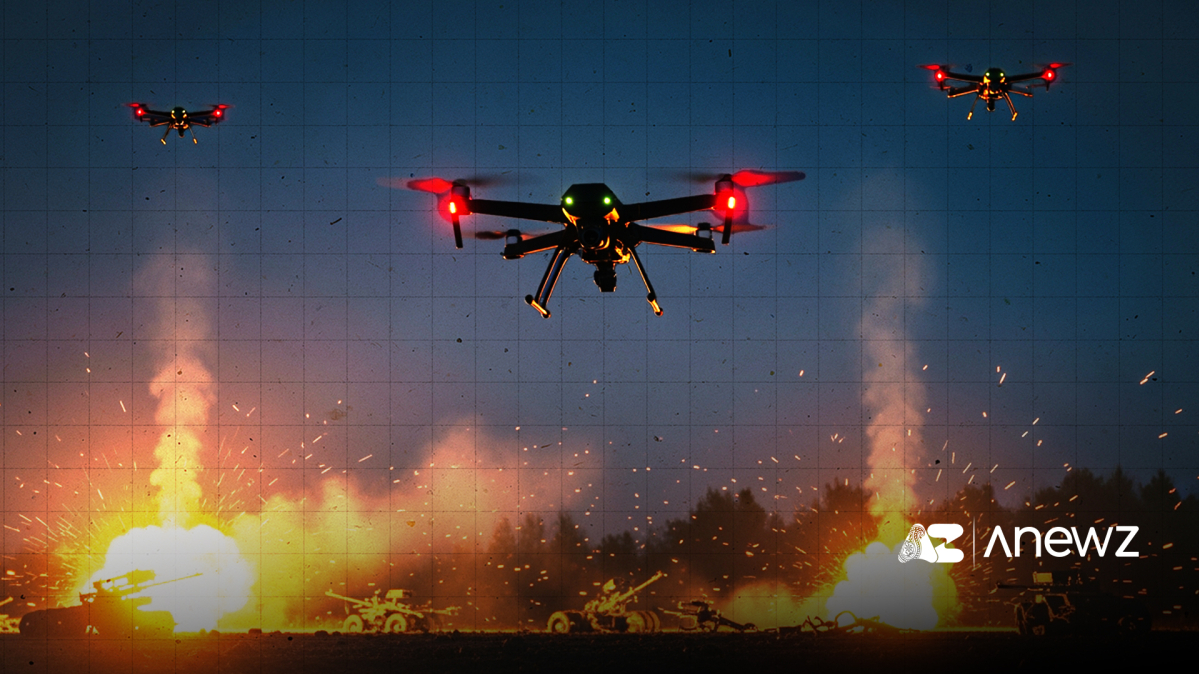
More recent conflicts, however, suggest a new variable that came into play. Drones have played a major role in two big conflicts, the Second War in Karabakh and the War in Ukraine, suggesting UAVs, both cheap and highly sophisticated, have started to become equalizers between the militaries.
How drones impact the course of war
The Second War in Karabakh clearly illustrated how drones can be utilized in various capacities to level the playing field. Azerbaijan utilized drones in various missions: support, reconnaissance, and combat. One of the challenges that the strategists in Baku sought to overcome was ensuring that Azerbaijani military could swiftly neutralize Armenia’s advantage, which had almost three decades to fortify its positions.
During the initial stages of the war in Karabakh, Azerbaijan modified obsolete Antonov AN-2 aircraft, using them as bait to uncover Armenia’s air-defense positions. During the war Azerbaijan continued to utilize various drone systems eliminating high-value targets.
Extensive use of drones enabled Azerbaijan to significantly reduce the number of battle-related casualties, while scoring hundreds of confirmed kills, later verified by OSINT specialists.
While technically, the war in Karabakh was not an asymmetric conflict, the lessons from this campaign have led to German experts claiming that Bundeswehr was not ready for drone warfare.
The importance of drone warfare was further exhibited during the war in Ukraine.
While initially it seemed that the war will be a short-lived affair, Ukraine demonstrated resilience and ingenuity to overcome the odds.
Initially, Russia faced heavy resistance from man-portable air-defense systems and Javelins that helped repel the early attack. Later Ukraine effectively utilized Turkish-made Bayraktar TB2 drones. Some sources indicate that a Bayraktar drone was used to distract the Moskva cruiser’s air defenses before Ukraine’s Neptune missiles sank the ship.
After the initial stage, the war shifted into a conflict of attrition, which heavily favored Russia. This change was not a positive development for Ukraine, as the country needed a way to avoid facing the opponent where he was strong. Instead, Ukraine tried another strategy, aimed at increasing the cost of war for Russia.
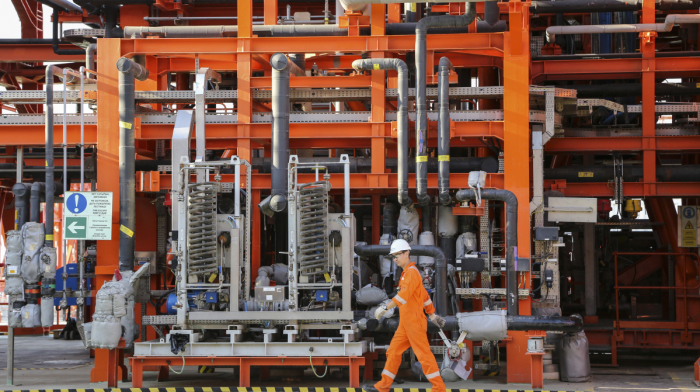
In 2025 Ukraine launched a campaign aimed at crippling Russia’s oil and gas infrastructure. According to existing data, over 80 drone strikes on oil and gas infrastructure have led to a 38% reduction of Russia’s refining capacity. Consequently, gasoline and diesel prices have increased by 12-15% in several regions, while more than 500 private gas stations have closed.
Furthermore, Ukrainians use cheap drones, some worth around $400 to strike tanks, artillery, and infantry positions.
Implications for military thinkers
Drones have changed the art of modern warfare. Modern military doctrines need to flexible and derive clear guidelines on how to effectively neutralize the challenges posed by UAVs and how this technology may open new avenues for conventional warfare.
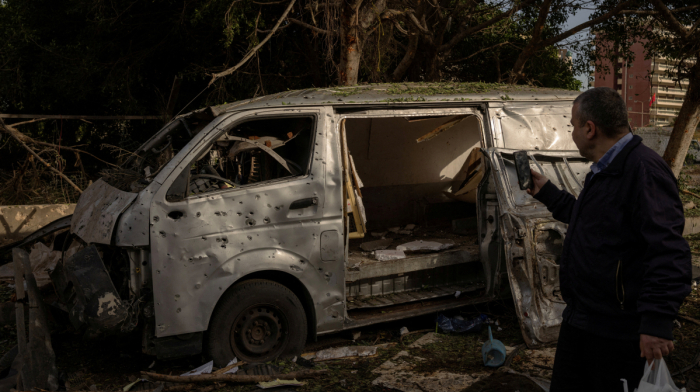
Recent drone sightings in Europe serve as another example suggesting how drones may be utilized to wage psychological war and sow panic. Just recently, Brussels and Liege airports were closed due to drone sightings, diverting incoming planes and leading to numerous delays and cancellations. Similar incidents also happened in other countries. In Norway, for example, drones flew over military facilities, sparking concern over a “hybrid attack”.
Every era had a weapon that helped project its power. If earlier only select few powers could afford to field a battleship or an aircraft carrier, today similar results may be accomplished with a squadron of moderately priced drones and an operator sitting hundreds of miles away from the battlefield.
Drones empower weaker actors, while simultaneously they offer new advantages to big powers. In many ways, drones are not the ultimate weapons; they are merely tools that offer new possibilities for military strategists. They can be the great equalizers, but UAVs require capable thinkers and operators who come up and execute strategies for the effective application of new battlefield technologies.
UAVs have indeed proven to be formidable weapons, and examples from recent conflicts support that claim. Yet, analysts tend to overlook the potential of this technology in the hands of malevolent actors during peace time. It is very likely that policymakers and strategists will remain preoccupied with finding effective ways to neutralize the destructive potential of drones during peacetime.















What is your opinion on this topic?
Leave the first comment