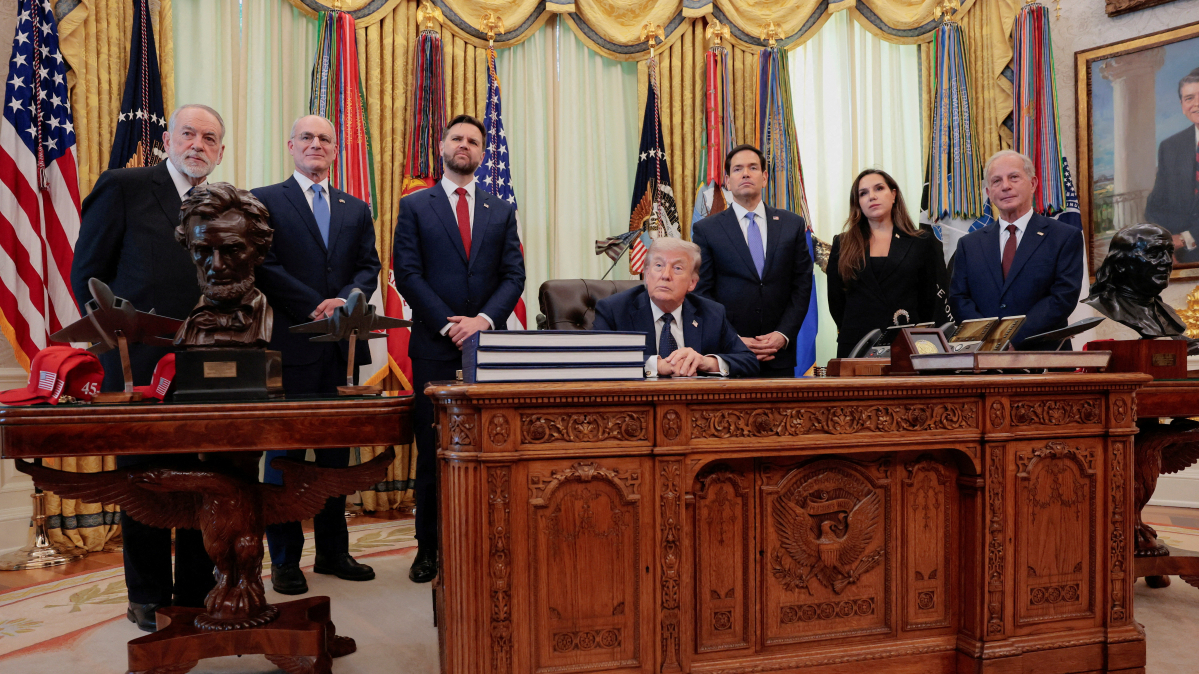
Lebanon and Israel have agreed to extend their ceasefire by three weeks following talks at the White House, U.S. President Donald Trump said on Thursday (23 April).
The meeting in the Oval Office brought together Israel’s ambassador to Washington, Yechiel Leiter, and Lebanon’s ambassador, Nada Moawad. It followed a day of Israeli strikes in southern Lebanon that killed at least five people, including a journalist.
Trump said the talks went well and that the United States would work with Lebanon to help it defend itself against Hezbollah which is backed by Iran. However Hezbollah was not part of the discussions.
He added that he hoped to host Israeli Prime Minister Benjamin Netanyahu and Lebanese President Joseph Aoun in future talks.
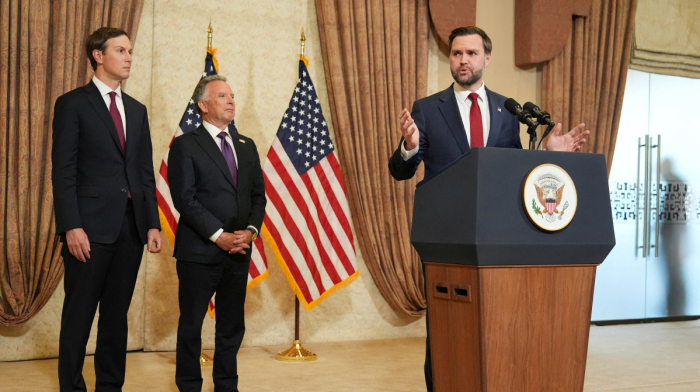
Senior U.S. officials, including Vice President JD Vance and Secretary of State Marco Rubio, also attended the meeting.
Extension of fragile ceasefire
The ceasefire had been due to expire on Sunday (17 April). It followed earlier talks between the two countries’ ambassadors in Washington and has led to a reduction in violence, though clashes have continued in southern Lebanon.
Israeli forces remain in a self-declared buffer zone inside Lebanese territory. Lebanon has said it will seek a full Israeli withdrawal, the return of detainees and a clear land border in future negotiations.
During the meeting, ambassador Moawad thanked the United States for its role in the talks and expressed hope for continued support.
"I think with your help, with your support, we can make Lebanon great again," she said.
Leiter said discussions should focus on addressing Hezbollah’s presence rather than on Israeli troop withdrawal. Israel has accused the group of continuing to pose a threat along its northern border.
"If Hezbollah and IRGC operatives continue to be treated with kid gloves, a real process of achieving our mutual goal will remain unachievable," Leiter said, according to remarks shared by the Israeli embassy in Washington.
Violence continues on the ground
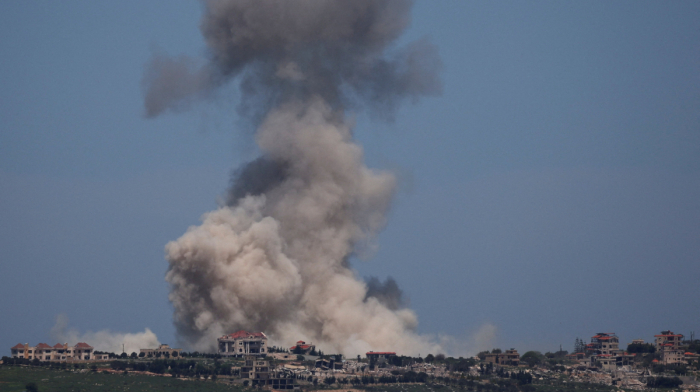
Despite the ceasefire, violence has not stopped. Lebanon’s health ministry said Israeli strikes and shelling on Wednesday and Thursday killed several people and wounded others, including a child.
Among those killed was journalist Amal Khalil, according to Lebanese officials. The Israeli military said it was reviewing reports that journalists had been hit, adding that its strikes were aimed at what it described as Hezbollah-linked targets.
The Israeli army also said it shot dead two people it identified as an immediate threat near its forces in southern Lebanon.
Hezbollah said it carried out several operations in response to Israeli strikes. A senior member of the group, Hassan Fadlallah, said it supported extending the ceasefire but called for full Israeli compliance.
Ongoing tensions
Fighting between Israel and Hezbollah resumed in March, when the group launched attacks in support of Iran following the U.S.-Israeli strikes. Since then, nearly 2,500 people have been killed in Lebanon, according to local authorities.
Israel says its military presence in southern Lebanon is aimed at protecting its northern communities after repeated rocket fire from Hezbollah.
The Israeli military has warned residents in southern Lebanon not to enter areas under its control.
The latest extension of the ceasefire provides a short window for further talks, as diplomatic efforts continue alongside ongoing tensions on the ground.












What is your opinion on this topic?
Leave the first comment