Diplomatic efforts to prevent renewed hostilities between Iran and the U.S. appear increasingly fragile, with prospects for sustained dialogue fading as both sides prepare for possible escalation.
This assessment was offered by Dr Julia Roknifard, Senior Lecturer at the School of Law and Governance at Taylor’s University in Malaysia, in an interview with AnewZ, as she analysed the current situation.
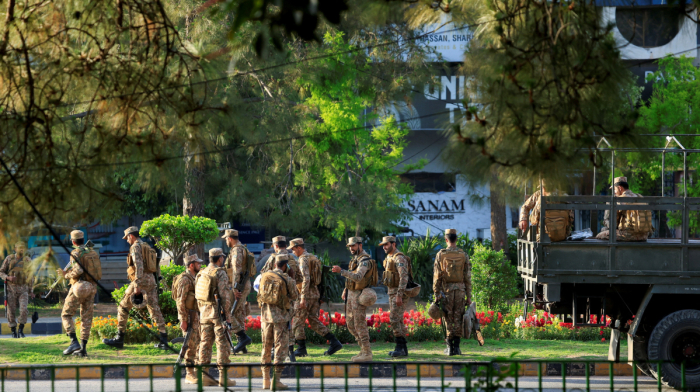
Iran has signalled that it may not send a delegation to a second round of talks in Islamabad, a move Roknifard described as consistent with a broader breakdown in trust. According to her, the temporary ceasefire announced by Washington appears less a step towards peace and more a strategic pause.
“If we take the view that the two-week ceasefire was merely a pause to service military equipment, then the chances are quite high that hostilities will resume as early as Wednesday,” she said, warning that negotiations to date have lacked any meaningful convergence.
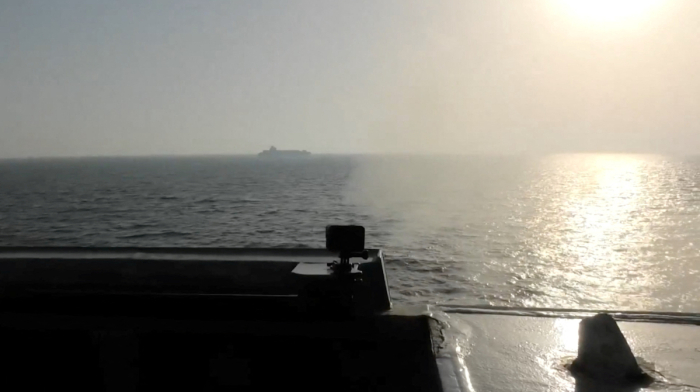
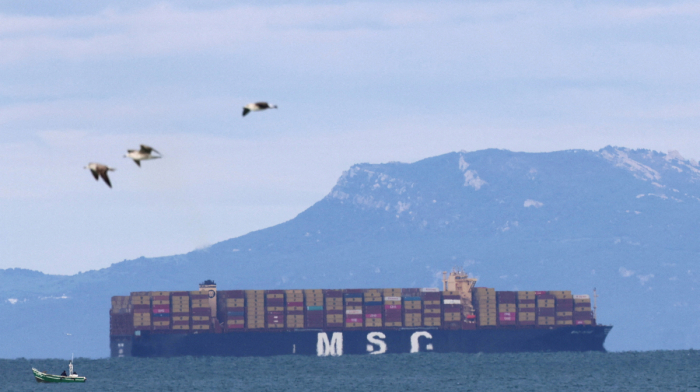
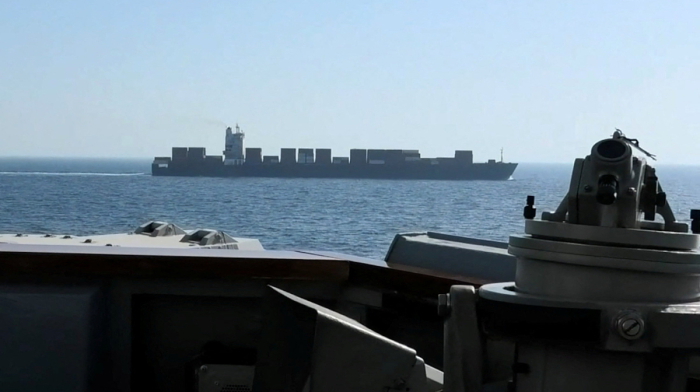
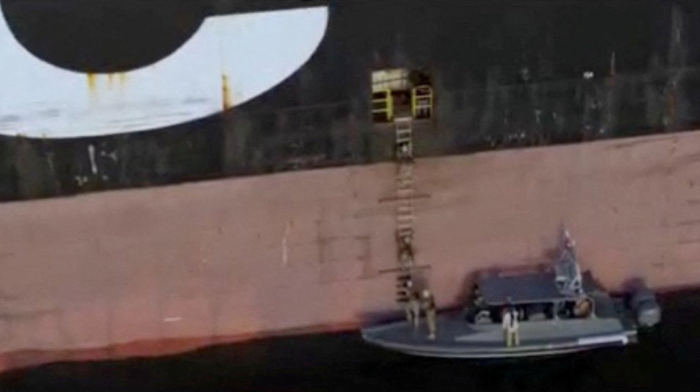
Roknifard noted that talks have remained unsustainable due to the wide gap between the parties’ proposals, describing the rift as “too big” to bridge in the short term. Recent incidents, including the U.S. seizure of an Iranian cargo ship and Iran’s retaliatory drone strikes on American vessels, have further darkened the outlook.
Internal security and escalation readiness
Addressing the recent arrest of 51 alleged spies in Iran’s Kerman province, Roknifard told AnewZ that the move should be viewed in the context of a country that perceives itself to be at war. She argued that Tehran is using the ceasefire period to consolidate internal security, particularly amid claims of foreign intelligence activity.
“This is a natural course of action during wartime and should not have a major direct impact on negotiations,” she said, adding that similar legal actions have taken place on both sides.
However, she stressed that neither Washington nor Tehran appears to be exercising restraint. Instead, both sides have been replenishing military stockpiles during the pause. Iran, she noted, has reportedly increased the pace of drone and missile production, signalling readiness for further retaliation should hostilities resume.
Pressure, oil markets and global risks
On Washington’s pressure campaign, Roknifard argued that it has hardened Tehran’s position rather than strengthened U.S. leverage. She cautioned that continued reliance on force risks fuelling market instability, particularly in global energy markets.
“If this war continues, oil prices could reach 200 U.S. dollars per barrel, and that may not even be the limit,” she warned, highlighting the unpredictable nature of prolonged conflict.
Key regional actors
According to Roknifard, preventing a wider war in the Middle East hinges primarily on Israel and the U.S. She emphasised that Tehran has made clear it will not return to talks unless Israeli military operations in southern Lebanon cease.
Regional Gulf states, she added, appear increasingly reluctant to mediate after earlier efforts failed, preferring instead to support alternative diplomatic platforms. In this context, Pakistan has emerged as a potential facilitator, backed by the U.S., China and Saudi Arabia.
“Everything ultimately depends on whether the primary conditions are met,” she said. “Without de-escalation on the ground, diplomacy cannot move forward.”










What is your opinion on this topic?
Leave the first comment