Efforts to ease tensions between the United States and Iran continue as a fragile ceasefire risks collapsing after the U.S. seized a boat bound for Iran at the weekend and Tehran closes the Strait of Hormuz. Meanwhile Tehran has refused to attend a new round of peace talks in Pakistan.
Tehran accuses Washington of breaching a two-week pause by continuing with a naval blockade and intercepting ships heading to its ports.
A research scholar at Western Caspian University, Sheraz Mehmood Khan, told AnewZ the situation is changing “hour by hour”, with tensions rising on both sides of the Strait of Hormuz.
“The ceasefire was only meant to last a few days,” he said. “Now we are seeing actions from both sides that are undermining it.”
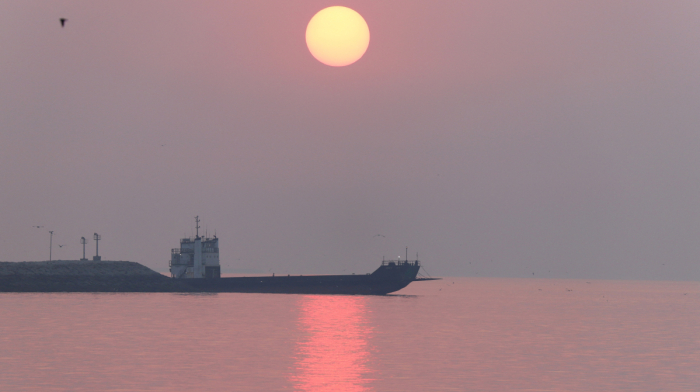
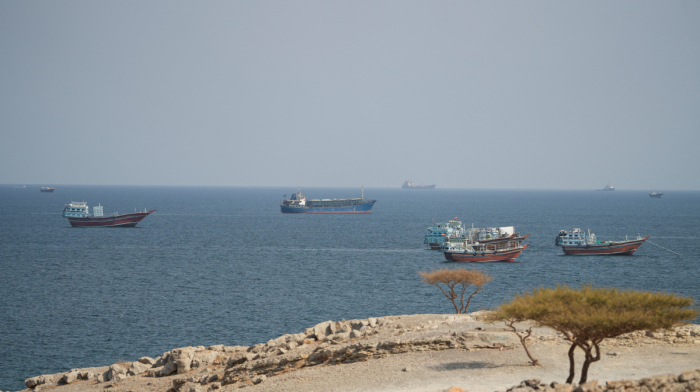
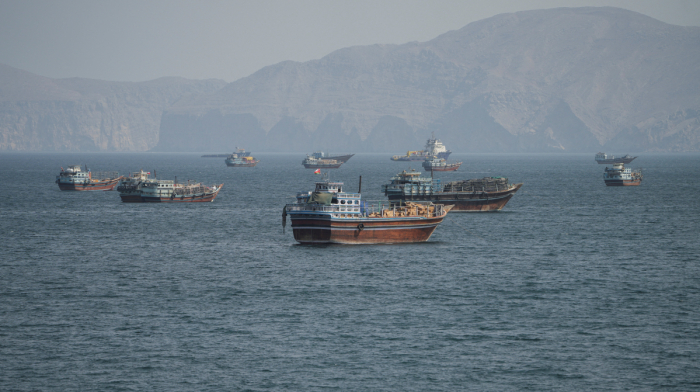
The Strait of Hormuz, a narrow but vital waterway for global oil supplies, has become the centre of the crisis. The U.S. has tightened a blockade on Iranian shipping, while Iran has responded with its own restrictions.
Commercial vessels, including European ships, have been caught in the middle.
Disruption in the strait has already pushed up oil prices and unsettled global markets.
Pakistan’s key role in talks
Pakistan's Prime Minister Shehbaz Sharif said he's spoken with Iran’s leadership, while he said the country’s military has helped facilitate earlier talks by providing secure corridors for delegations.
Khan said Pakistan is in a rare position of trust with both sides. It shares a long border and close ties with Iran, while also maintaining strong relations with the U.S.
“Pakistan can offer a platform where both sides feel secure enough to talk,” he said.
But mediation alone may not be enough he said. Khan pointed to China as a potential guarantor of any deal, given its economic interests in keeping the Strait of Hormuz open.
He noted that the waterway is crucial for China’s energy imports and its wider Belt and Road investments.
With the ceasefire nearing its end on Tuesday, the next 24 hours are seen as critical.
Officials in Islamabad are preparing for talks, though it remains unclear whether Iran will attend.
Rising fuel prices and fears of a wider conflict are being felt far beyond the Gulf.
“Everyone wants this to end,” Khan said. “But right now, trust is very low, and that makes any agreement much harder.”










What is your opinion on this topic?
Leave the first comment