Financial markets experienced a monumental shift as crude valuations tumbled and equity indices surged worldwide.
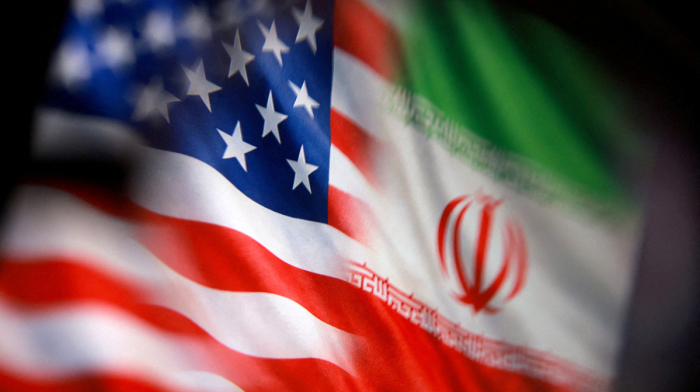
The de-escalation of hostilities in the Middle East has provided a desperately needed reprieve for the global economy, sparking hopes that vital oil and gas shipments through the Strait of Hormuz will finally resume without the threat of military interception.
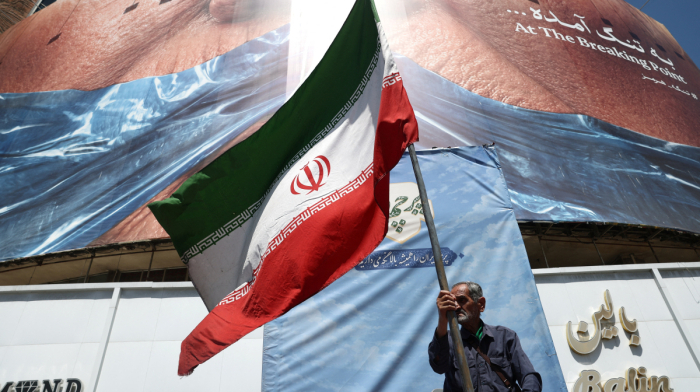
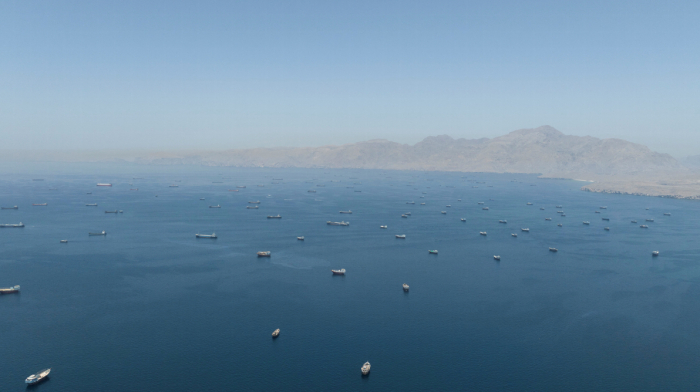
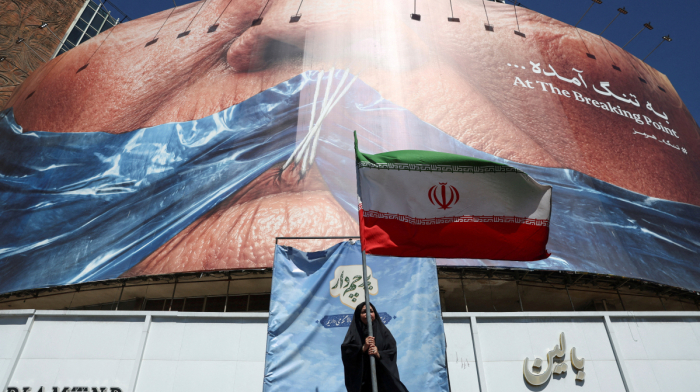
The breakthrough comes after weeks of intense market volatility and profound geopolitical upheaval. Since the end of February, aggressive military strikes by the United States and Israel against Iranian targets had pushed the region to the absolute brink. In retaliation, Tehran effectively blockaded the strategic maritime choke point, immediately choking off approximately 20% of the world’s entire energy supply and threatening catastrophic collateral damage to global industry.
Equities surge as crude oil futures plummet
The immediate market reaction to the cessation of hostilities was both swift and dramatic, characterised by a massive unwinding of the "war premium" that had artificially inflated global energy costs for over a month. United States crude futures plummeted by roughly 15%, settling at $96.31 a barrel, officially breaking back below the psychologically critical $100 threshold.
Similarly, the international benchmark, Brent crude futures, slid 13% to rest at $94.71 per barrel. This sudden plunge represents a massive easing of inflationary pressures for energy-importing nations that had been forced to scramble for alternative supplies in a panicked spot market.
Correspondingly, global equity markets celebrated the reprieve with explosive gains as traders dumped safe-haven assets in favour of risk. S&P 500 futures rose by an impressive 2.5%, whilst European futures leapt by more than 5% in early trading sessions.
The appetite for risk assets returned across Asia as well. Japan's benchmark Nikkei share average jumped by approximately 5%, and South Korea's KOSPI index vaulted a 6% - a surge that triggered a brief, automated halt in regional trading. Consequently, MSCI's broadest index of Asia-Pacific shares outside Japan finished up 4%.
"When you factor in that the two-week delay is longer than the original 10-day window set for the initial attack, it seems plausible that the worst of the conflict may now be behind us," noted Matt Simpson, a Senior Market Analyst at StoneX, reflecting the sudden burst of trading floor optimism.
"Markets can worry about the complexities later. For now, they've been given the green light to rally," he added.
The safe-haven U.S. dollar fell broadly against major peers, easing to 98.835 and hovering near a one-month low. Simultaneously, risk-sensitive currencies such as the Australian dollar rose 1.4% to $0.7074, and the Euro gained 0.8% to $1.1687, reflecting a sudden evaporation of systemic, globe-spanning panic.
Trump’s reversal and lingering threat of inflation
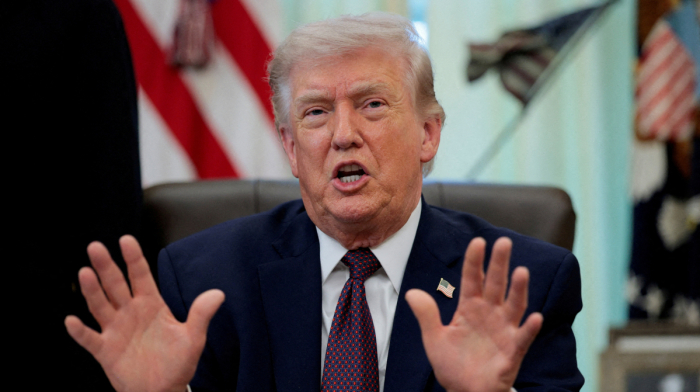
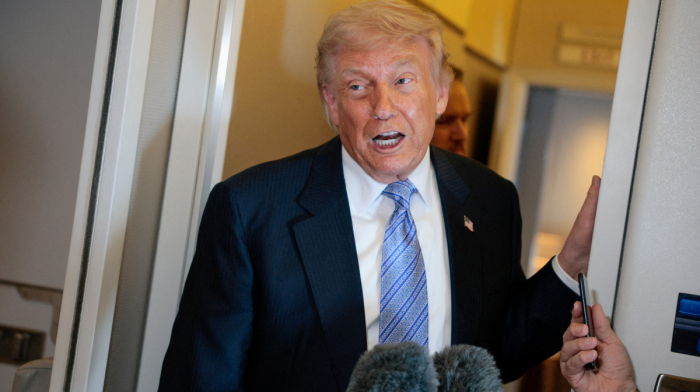
U.S. President Donald Trump agreed to the two-week ceasefire on Tuesday (7 April), less than two hours before the expiration of his self-imposed deadline for Iran to reopen the Strait of Hormuz or face devastating military strikes against its civilian infrastructure.
Trump's social media announcement confirming the ceasefire marked a reversal from his rhetoric just hours earlier, when he had issued a warning that "a whole civilisation will die tonight" unless his geopolitical demands were immediately met.
However seasoned investors remain deeply cautious, waiting to see whether this temporary ceasefire can translate into a broader, sustainable diplomatic resolution before committing to major, long-term bets.
Martin Whetton, Head of Financial Markets Strategy at Westpac said, "Does it mean people are going to take new risks? No, it doesn't. It would have to actually be a lasting peace to change things. People aren't actually taking risk," he explained.
Gold prices climbed 2.5% to $4,820 per ounce as investors maintained a traditional hedge against future geopolitical volatility.
Furthermore, the six-week war has complicated the trajectory of global monetary policy with fears of inflation and interest rate rises.
While U.S. Treasuries surged on Wednesday - with the benchmark 10-year yield dropping 10 basis points to 4.241%, placing Federal Reserve rate cuts back on the table - central banks around the world remain highly vigilant. For instance, New Zealand's central bank held its policy rate steady to buy time to assess the fallout, but warned it would act decisively if inflation heats up due to lingering supply chain damage.
Analysts remain highly sceptical that the ceasefire will hold seamlessly. Carol Kong, a currency strategist at the Commonwealth Bank of Australia, warned that the root causes of the conflict are completely unresolved, keeping the risk of sudden re-escalation firmly intact.
"We maintain our view that the war will run into June. The implication is dollar losses may prove short-lived," she noted, suggesting the current market euphoria might simply be the eye of the storm.













What is your opinion on this topic?
Leave the first comment