The United Arab Emirates has warned that any settlement between the United States and Iran must guarantee free passage through the Strait of Hormuz, the world’s most vital oil route.
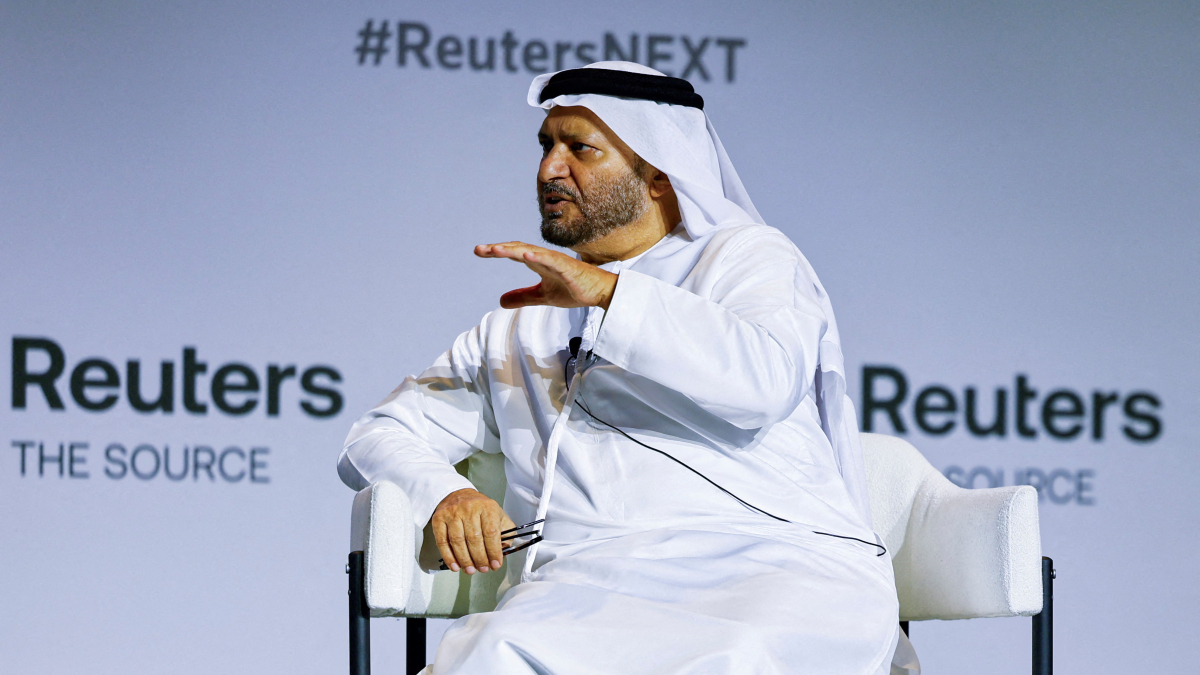
Speaking over the weekend, Anwar Gargash, Diplomatic Adviser to the UAE President, said the strait cannot be “weaponised” or used as a bargaining chip.
“The Strait of Hormuz cannot be held hostage by any country,” he said, stressing that its security is a global, not just regional, concern.
Gargash said the UAE wants the conflict in the Middle East to end, but warned against a ceasefire that leaves underlying issues unresolved.
“We don’t want to see more escalation. But we don’t want a ceasefire that fails to address the main issues that will create a much more dangerous environment in the region… notably Iran’s nuclear programme, missiles, and drones,” he said.
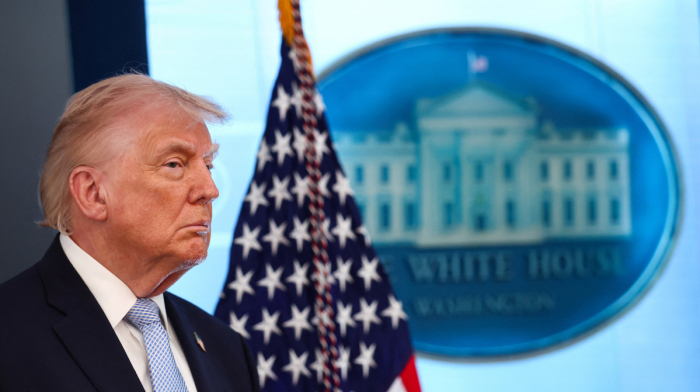
The warning comes amid rising tensions in the Gulf. U.S. President Donald Trump has threatened further strikes on Iranian energy and transport targets, saying Tehran must reopen the strait.
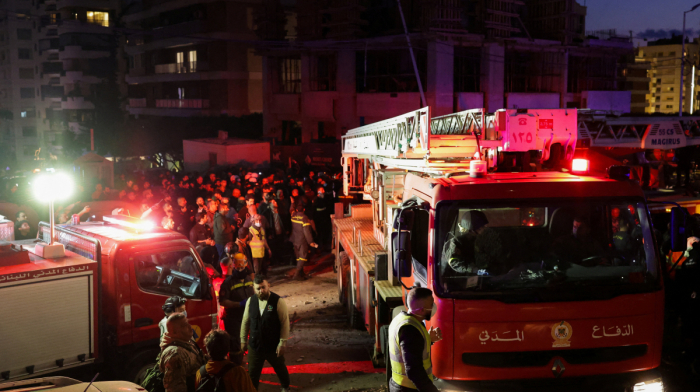
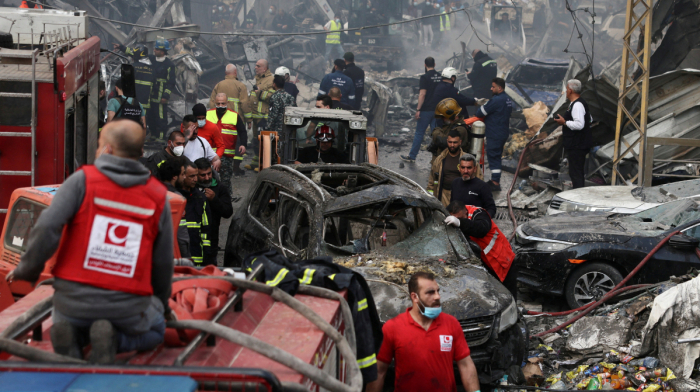
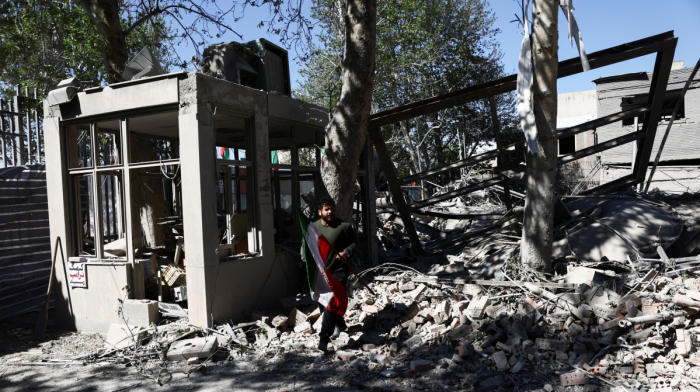
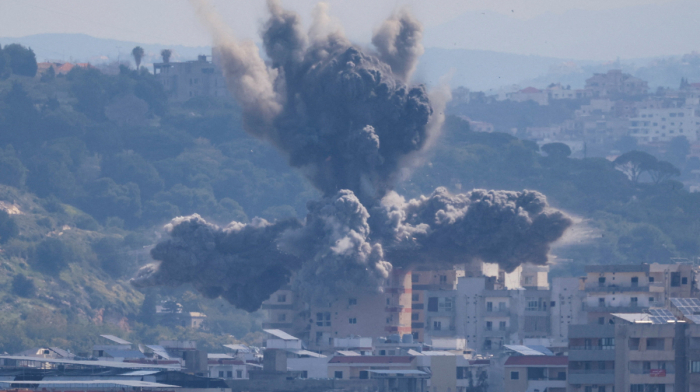
Meanwhile, the U.S. and Israel have launched missile and airstrikes against Iran over the past five weeks, aiming to halt what they describe as an imminent nuclear threat and curb Iran’s missile and drone capabilities.
Worst-cast scenario unfolding
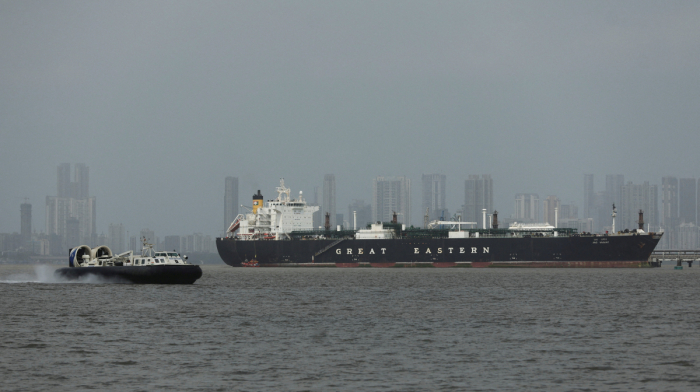
Gargash said the UAE is ready to join any international effort to secure shipping through the strait, where around a fifth of global oil and liquefied gas normally passes daily. Iranian actions, he said, have already disrupted traffic and contributed to a global energy crisis.
“The most unlikely worst-case scenario for the UAE had been a full Iranian attack. That scenario is now unfolding,” Gargash said, but added that the country remains resilient and resourceful under pressure.
He emphasised that the UAE’s economic fundamentals are strong, and that recovery, though challenging, is achievable.
The UAE has come under heavier Iranian strikes than any other Gulf state, according to regional officials.
Gargash said Iran’s strategy was likely to harden the Gulf’s security alignment with Washington rather than reduce it, entrenching the U.S. military role in the region and amplifying Israel’s footprint. He said the U.S. would remain the UAE’s core security partner and that Abu Dhabi would double down on that relationship as regional threats intensify.
He said the UAE did not seek hostility with Iran, but warned that trust was impossible under the current Tehran government.
The UAE was grateful, he said, for the international support it has received, singling out France as a steadfast partner and praising Washington for its exceptional backing, particularly in strengthening the UAE’s air‑defence capabilities.
The UAE’s warnings underline the stakes for the Gulf and global energy markets, highlighting the delicate balance between diplomacy and security in a region increasingly on edge.










What is your opinion on this topic?
Leave the first comment