live Trump says U.S. not seeking to extend interim deal with Iran
U.S. President Donald Trump says Washington is not seeking an extension of its memorandum of understanding with...
The World Health Organization has warned that Europe could face "more deadly weeks" as another intense heatwave develops over the Atlantic, urging governments to strengthen emergency preparations before temperatures rise again.
reach as high as 43°C in the coming days, following what experts say was Europe's most severe recorded heatwave between 20 and 28 June.
Scientists said the extreme temperatures were almost certainly driven by human-induced climate change.
WHO Regional Director for Europe Hans Kluge said France, the Netherlands and Belgium have already reported around 3,700 excess deaths linked to the recent heatwave, while cautioning that the figures remain preliminary and could increase.
The June heatwave pushed temperatures above 40°C across several parts of Europe, disrupting power generation, damaging infrastructure and placing healthcare systems under severe strain.
Kluge held an emergency meeting on Monday with representatives from 41 countries, the European Commission and civil society groups to review lessons from the recent heatwave and prepare for the next.
He said countries with dedicated heat-health action plans responded more effectively, but noted that fewer than half of the WHO's European member states currently have such strategies in place.
The WHO warned that care home residents, homeless people and socially isolated older adults continue to be inadequately protected during extreme heat events.
"The work now is on two fronts: fixing what failed in recent weeks before the next heatwave hits and building the kind of health systems that don't just respond to extreme heat but are ready for it," Kluge said.
At least 11 people were killed in Israeli strikes on southern Lebanon on Saturday, among the deadliest since a June ceasefire. Meanwhile, Qatar denied holding Iranian pilots. It said it had found the remains of one pilot after an airspace violation and had contacted Iran to coordinate a handover.
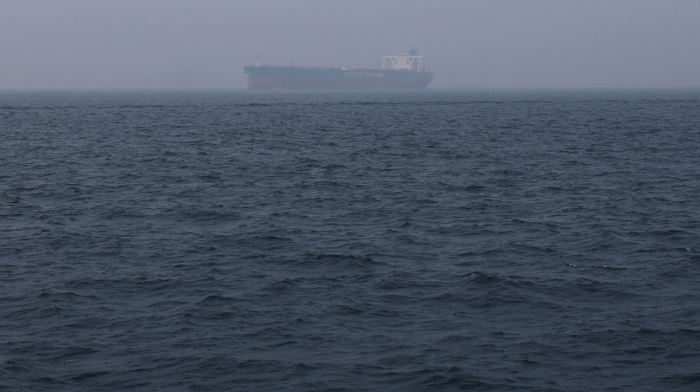
U.S. President Donald Trump says Washington is not seeking an extension of its memorandum of understanding with Iran, claiming the U.S. already controls the Strait of Hormuz through its naval blockade.
A wildfire in Croatia driven by strong winds descended on the tourist town of Omis overnight, engulfing houses, forcing about 1,000 people to evacuate to safety and injuring dozens, fire brigade and health officials said on Friday.
South Korea's presidential Blue House said on Monday it was reviewing U.S. President Donald Trump's comments on scaling back joint military drills. It added that it hoped a favourable relationship between Washington and Pyongyang could lead to meaningful talks.
Residents of villages in eastern Indonesia hit by a deadly earthquake that killed at least 54 people were awaiting aid on Monday as rescuers prepared to comb through collapsed buildings in search of people trapped beneath the rubble.
The Democratic Republic of Congo says the number of confirmed Ebola cases has risen to nearly 4,500, including more than 2,060 deaths. Delayed detection, weak surveillance, funding shortages and conflict have allowed the virus to spread faster than in any previous epidemic at the same stage.
Australia warned on Monday (3 August) of a wider spread of H5N1 bird flu after its first confirmed mass mortality event among seabirds killed about 50 greater crested terns off the coast of South Australia, south of Adelaide.
Cancer patients in Sudan are struggling to access life-saving treatment as soaring medication costs, power shortages and damaged hospital infrastructure deepen the country's healthcare crisis after more than three years of war.
The world risks a resurgence of the HIV epidemic after international funding fell by nearly a fifth last year, according to a new report from UNAIDS, which warned that decades of progress against the disease could be reversed without renewed global support.
A global shift towards healthier diets, more efficient farming and reduced food waste could cut greenhouse gas emissions from agriculture-related land-use change by 85% by 2050, according to a study published last week in the journal Nature.
You can download the AnewZ application from Play Store and the App Store.
What is your opinion on this topic?
Leave the first comment