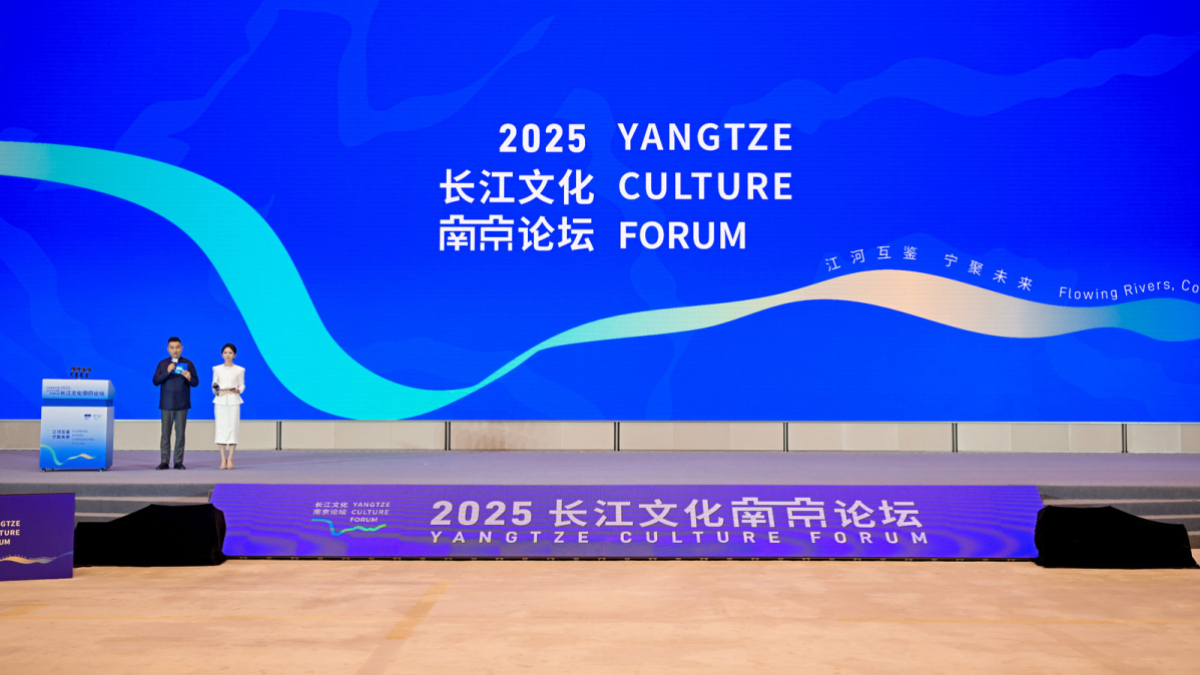
The 2025 Yangtze Culture Forum opened on Friday at the Yangtze International Conference Centre in Nanjing, bringing together senior officials, scholars, and representatives from international river cities.
The goal being to examine the cultural, ecological and developmental significance of China’s iconic waterway.
Co-hosted by UNESCO and the Nanjing Municipal Government with support from Xinhua News Agency, this year’s forum positioned the Yangtze as both a historical cradle of civilization and a global model for sustainable river governance.
Acting Mayor Li Zhongjun highlighted the river’s centrality to Nanjing’s identity and development as the event opened.
“Nanjing depends on the Yangtze, and the river shapes the city’s mountains, waters, and cultural heritage,” he said.
Li highlighted Nanjing’s efforts to align ecological protection with innovation-driven growth, noting the city’s expanding role as a transportation and technology hub while maintaining a commitment to safeguarding its river culture.
A major feature of the forum was the release of the strategic report “A Path of Tranquil Waters, Strong Nation, Benefit to the People - Research on the New Era River Strategy.”
Produced by Xinhua’s National High-End Think Tank and the China Institute of Water Resources and Hydropower, the report outlines a comprehensive framework for strengthening river governance in the Yangtze Basin.
It argues that ecological protection has been elevated to an unprecedented priority, forming a governance model that blends environmental conservation, cultural preservation, regional coordination and green development.
The authors describe this approach as a blueprint with “global relevance” for countries seeking sustainable river management.
Complementing the report’s release, the forum convened thematic discussions on cultural heritage protection, digital tools for river-cultural storytelling, and ways river civilizations can contribute to international dialogue.
Scholars stressed that the Yangtze is not simply a natural resource but a historical symbol that continues to inspire contemporary approaches to sustainability and cultural exchange.
The forum’s international scope added to its prominence, with delegations from major river cities sharing comparative experiences on water governance, urban planning and cultural revitalization.
Their participation reinforced the message that global river cooperation is becoming increasingly essential amid climate and environmental pressures.
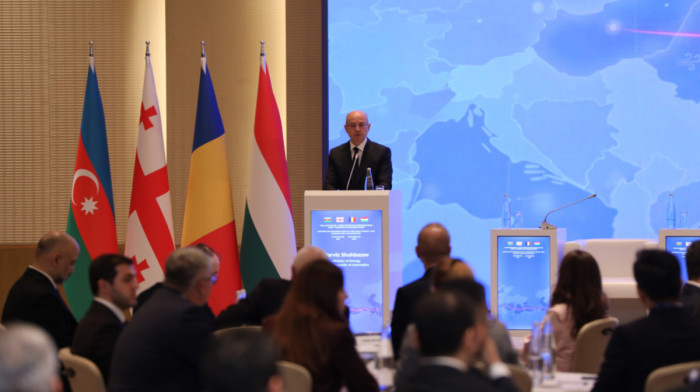
UNESCO East Asia Regional Director Professor Shahbaz Khan delivered one of the keynote speeches, framing river protection as a civilizational responsibility.
“Rivers are living archives of civilization,” he said. “China’s initiatives show how culture, science and policy can work together to maintain ecological balance and promote human well-being.”
In a video message, UNESCO’s Assistant Director-General linked the forum’s agenda to the UN 2030 Sustainable Development Goals, noting that “the health of rivers reflects the harmony between humans and nature.”
Xinhua News Agency President Fu Hua described the Yangtze as a witness to centuries of Chinese cultural development. “The Yangtze has seen dynasties rise, explorers journey and knowledge flow,” he said.
Fu added that the forum offers an important venue for presenting China’s river governance experience to a global audience.
Vice Minister of Water Resources Liu Dongshun highlighted China’s evolving river protection laws and enforcement measures, including the ten-year fishing ban and the Yangtze River Protection Law.
He called for stronger cross-border cooperation in managing freshwater resources, describing rivers as “shared lifelines that demand shared responsibility.”
Through speeches and panel sessions, participants emphasised that rivers remain vital not only to ecological stability but to cultural imagination and urban futures.
With a blend of policy dialogue, scientific insight and cultural exchange, the 2025 Yangtze Culture Forum reinforced Nanjing’s growing role as a centre for global conversation on river heritage and sustainable development.













What is your opinion on this topic?
Leave the first comment