Australia’s ambition to host the COP31 climate summit is under serious threat as a fierce competition with Türkiye heats up.
The COP31 summit, scheduled for next year, is seen as crucial for Australia’s efforts to solidify its status as a renewable energy powerhouse, but the country’s bid has been complicated by a rival proposal from Türkiye. This standoff, which has drawn attention at this year’s COP30 meeting in Belem, Brazil, risks undermining Australia’s broader climate goals and its diplomatic ties with vulnerable Pacific island nations.
Australia's Vision for COP31
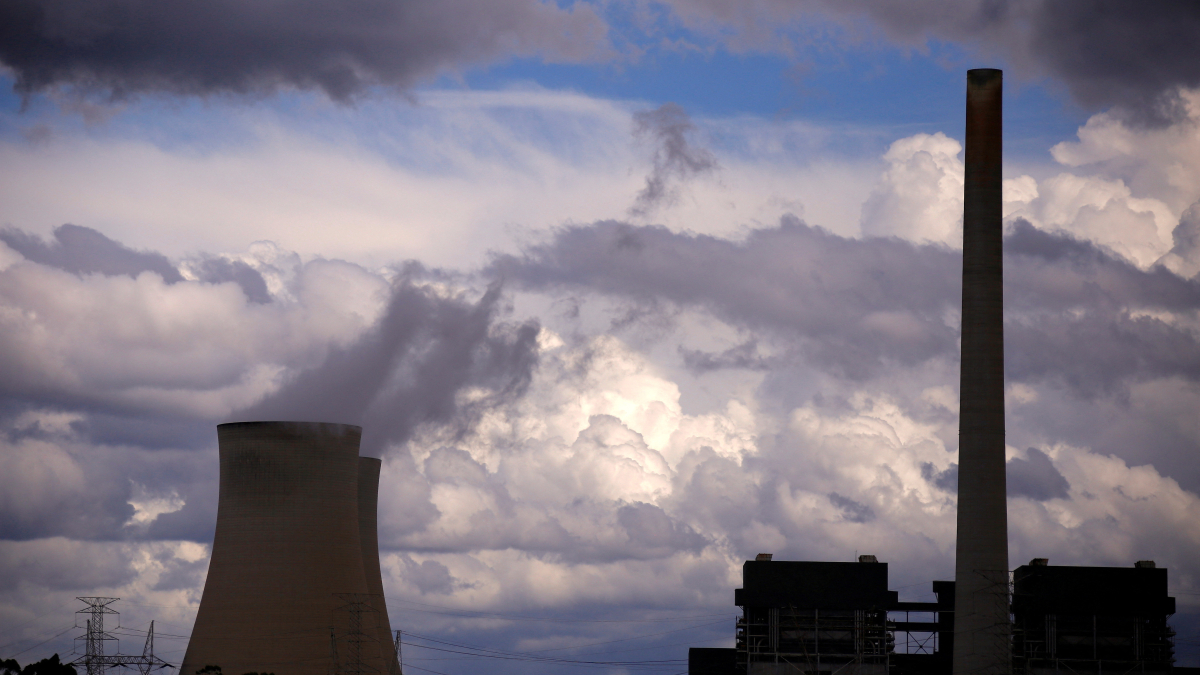
Australia was initially considered the front-runner to host COP31, with the summit providing a platform for the country to bolster its renewable energy ambitions and showcase its plans for becoming "a renewable energy superpower." The Australian government sees the event as an opportunity to demonstrate its transition from coal and gas to cleaner sources of energy, while also promoting investment in critical minerals, green steel, and technologies like batteries.
Wesley Morgan, a climate academic at the University of New South Wales, emphasised the importance of hosting COP31 for Australia’s economic future.
"Hosting COP is absolutely crucial for Australia’s economic future," he said, pointing to the significant role that hosting the summit would play in attracting investment and driving economic growth in the green energy sector.
Moreover, COP31 presents a unique diplomatic opportunity for Australia to improve relations with its Pacific island neighbours, who are facing existential threats from climate change. The Pacific nations have been at the forefront of pushing for ambitious climate goals, including the 1.5°C target agreed at COP21 in Paris.
Chris Bowen, Australia’s climate change and energy minister, noted that the climate issue is the top priority for Pacific island nations, which have been advocating for stronger global commitments to combat climate change.
Türkiye’s Rival Bid for COP31
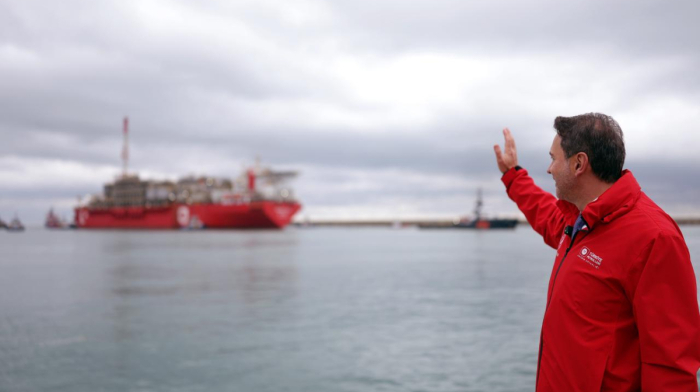
However, Türkiye has thrown a wrench in Australia’s plans, intensifying its bid to host COP31 by focusing on the need for greater financial support for developing countries’ climate initiatives. Türkiye has made it clear that its vision for COP31 is centered on addressing climate financing, particularly for poorer countries that face the greatest challenges in achieving climate goals. The country also wants to highlight its own progress toward a 2053 net-zero emissions target.
Türkiye’s bid has created a deadlock, with both nations refusing to back down.
"We would have to host [COP31]," said Jochen Flasbarth, the state secretary in Germany’s environment ministry, highlighting the possibility that the conference could be held in Bonn, Germany, if no agreement is reached. While Germany is technically the fallback venue, both Australia and Türkiye have strong vested interests in securing the event for themselves.
Geopolitical Opportunity for Australia
For Australia, hosting COP31 is not just an economic and environmental opportunity; it is also a geopolitical one. The country seeks to strengthen its ties with Pacific island nations, which are strategically important and have historically been courted by China. The Pacific region is already dealing with the devastating impacts of climate change, and many see the opportunity to host COP31 as a chance for Australia to demonstrate leadership on the issue and reaffirm its role as a key partner in the fight against global warming.
Former New Zealand Prime Minister Jacinda Ardern, who is a special envoy for Oceania at COP30, expressed the importance of supporting Pacific leaders in their efforts to tackle climate change.
“The slogan from the Pacific is '1.5 to stay alive'. It’s literally that proximate for the Pacific,” she said. Pacific nations played a pivotal role in securing the 1.5°C global temperature limit, and their continued advocacy remains essential for maintaining momentum toward climate action.
Role of COP in Shaping Climate Diplomacy
The host country of the COP summit plays a critical role in setting the agenda, leading diplomatic efforts, and facilitating international cooperation on climate action. COPs have evolved from diplomatic gatherings into significant platforms for economic discussions, where host countries can promote their industries, attract investment, and shape the direction of global climate policies.
"There is a clear and compelling case for investment attractiveness for hosting COP in Australia," said Emma Herd, a partner at EY's Net Zero Centre. "We have the opportunities and need the capital. COP provides the platform to showcase those opportunities."
For Australia, COP31 represents a chance to showcase its renewable energy potential to the world and attract critical investment needed to drive its transition away from fossil fuels.
Potential Compromise: Shared Hosting
Given the current impasse, one potential compromise could see Australia and Türkiye share the hosting duties for COP31. Türkiye has suggested that it could host the global leaders’ summit, while Australia would take on the role of hosting the broader climate talks. Such a compromise could offer a way forward, enabling both nations to meet their objectives while ensuring that the summit proceeds without further delay.
David Dutton, former assistant secretary of climate diplomacy for Australia, noted that the ongoing uncertainty over the hosting arrangements has distracted officials from the essential task of planning for the summit itself.
"All the effort has been around the bid and not so much about what you're actually going to do to sustain climate momentum," he said.
Need for Swift Action
The diplomatic struggle over hosting COP31 is a significant challenge for both Australia and Türkiye. As climate change accelerates, the urgency of securing global agreements to mitigate its impacts is greater than ever. The outcome of this bid will have lasting implications not just for the host country, but for global climate diplomacy as a whole.
As COP30 continues in Brazil, the eyes of the world remain on the negotiations between Australia and Türkiye.

















What is your opinion on this topic?
Leave the first comment