Archaeologists in China have uncovered a vast ancient water channel system believed to be around 4,000 years old, offering new insight into early engineering and the development of Chinese civilisation.
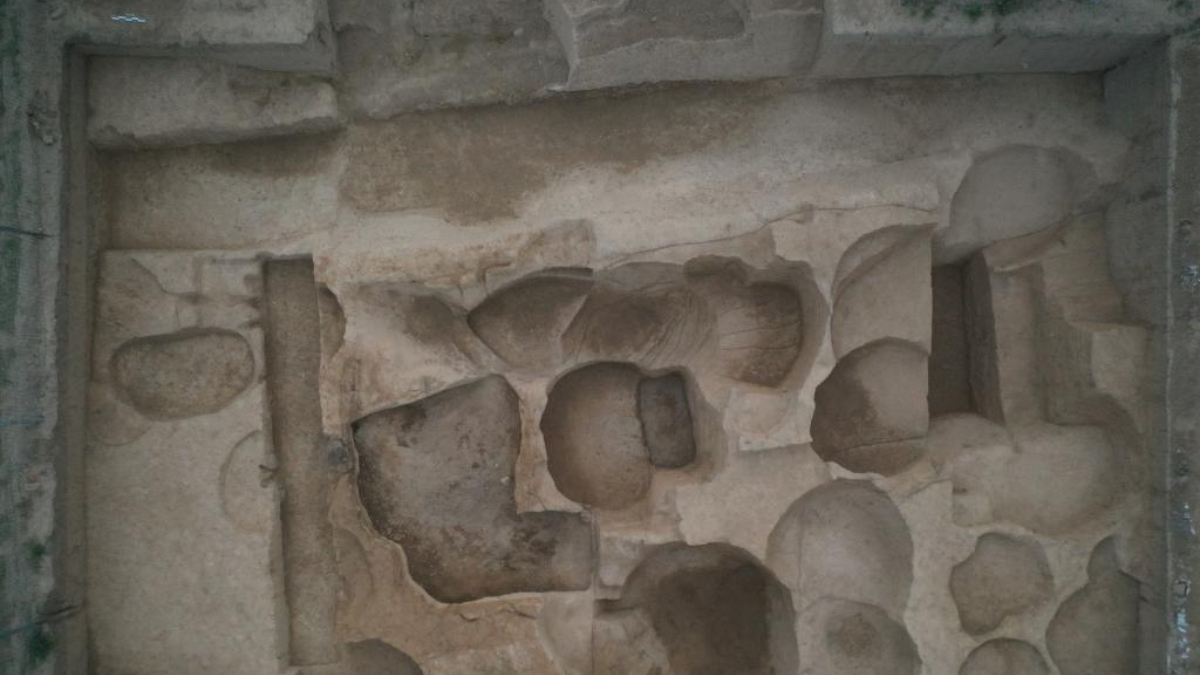
The discovery was made in central China during ongoing excavation work at an historic site linked to early Bronze Age settlements. The network of channels, which appears to have been carefully designed to control and redirect water, is thought to have played a key role in agriculture, drainage and flood prevention in the region thousands of years ago.
Experts say the scale and complexity of the system suggest that early societies in the area had a far more advanced understanding of water management than previously believed. The channels include interconnected pathways, reservoirs and diversion routes, indicating that water control was likely a central part of community planning and survival.
Adaptable early communities
Preliminary studies suggest the system may have been used to support farming activities by irrigating crops during dry periods, while also protecting settlements from flooding during heavy rains. Researchers believe this dual-purpose design highlights how early communities adapted to changing environmental conditions.
Archaeologists involved in the project say the findings provide important evidence of early hydraulic engineering in China, predating many similar systems found in other ancient civilisations. The discovery is also helping historians better understand how early societies organised labour and built infrastructure on a large scale.
Further analysis and excavation work are expected to continue, as experts carefully map the full extent of the water network. Scientists hope that additional artefacts found at the site will offer more clues about the people who built and used the system.
The discovery is being seen as a significant addition to the study of ancient engineering and early urban development, offering a rare glimpse into how communities thousands of years ago managed one of their most important resources: water.




















What is your opinion on this topic?
Leave the first comment