Georgia and Armenia restart border talks after years of deadlock
Georgia and Armenia have resumed talks on their 225-kilometre border after years of limited progress, with disputes over historical boundaries, far...
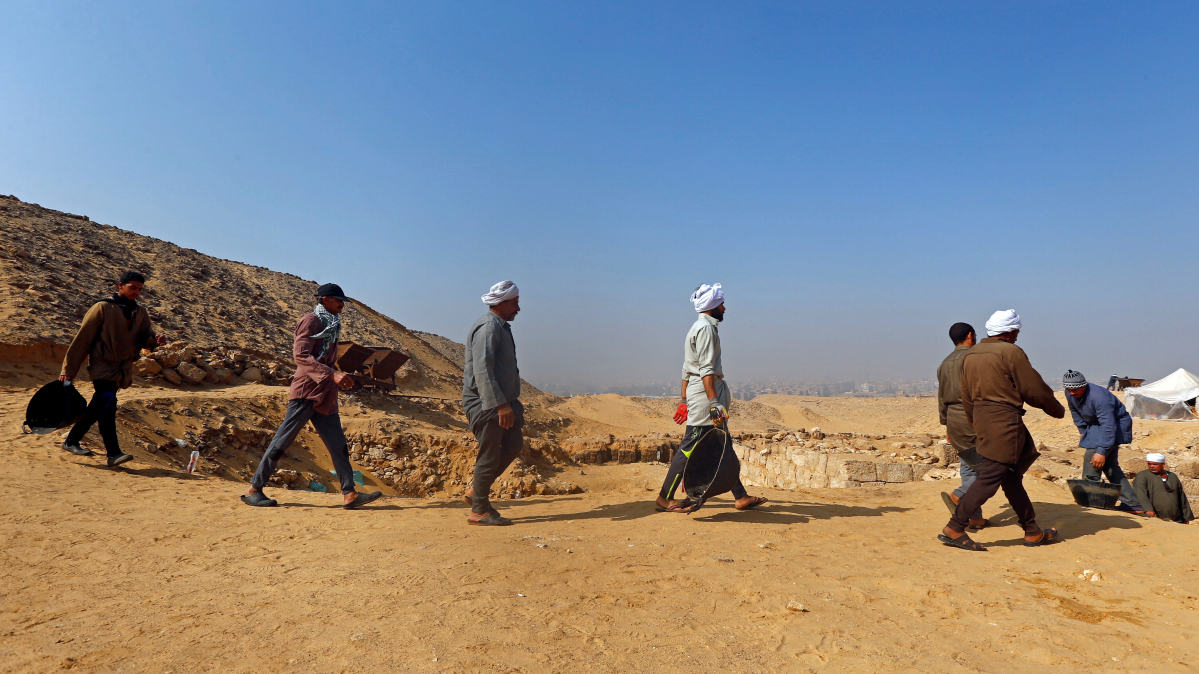
Egyptian archaeologists have uncovered a major prehistoric site in South Sinai dating back around 10,000 years, revealing layers of human activity carved into rock across millennia. South Sinai is the least populated governorate of Egypt.
The discovery at the Umm Irak Plateau was announced by Egypt’s Ministry of Tourism and Antiquities, which described the site as one of the most significant rock art locations identified in the region in recent years.
Officials said the plateau preserves a continuous record of engravings and pigment drawings spanning from prehistoric times to the early Islamic era, effectively forming what they called an open-air museum of rare carvings.
Tourism and Antiquities Minister Sherif Fathy said the find “provides fresh evidence of the succession of civilisations that passed through Sinai.”
Hisham El-Leithy, Secretary-General of the Supreme Council of Antiquities, said the breadth of the engravings, both in chronology and artistic technique, makes the site a “natural open museum”.
A rock shelter stretching more than 100 metres along the eastern side of the plateau was documented by the archaeological mission. According to Mohamed Abdel-Badie, head of Egypt’s Antiquities Sector, the sandy plateau likely served for centuries as a lookout point, gathering place and resting stop for travellers.
The shelter contains red and grey pigment drawings of animals and symbolic figures. The oldest images, dated between roughly 10,000 and 5,500 B.C., depict scenes of daily life, including hunters using bows to pursue ibex and the presence of hunting dogs.
Later carvings show horses and camels, armed figures and Arabic inscriptions, indicating that the site remained in use into the early Islamic period.
Egypt frequently announces archaeological discoveries as part of ongoing efforts to highlight its vast historical heritage.
The latest find comes as Cairo promotes its cultural legacy following the opening of the Grand Egyptian Museum near the capital, described as the world’s largest museum dedicated to a single civilisation.
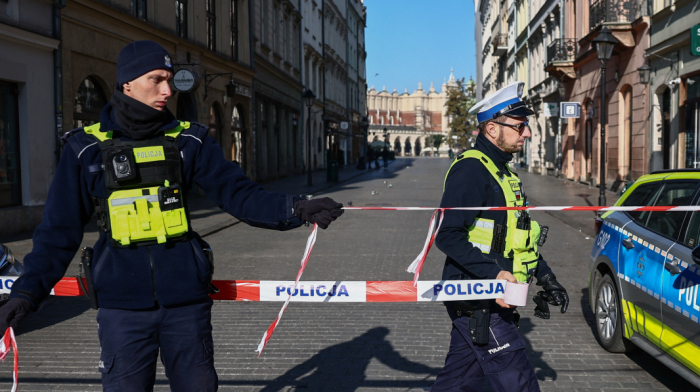
The gunman who allegedly killed six people in Poland’s unprecedented mass shooting in central Kraków on Saturday has died in hospital, police said early Monday. The attacker had demonstrated advanced military-style marksmanship skills, according to a spokesperson for the shooting club he attended.
Poland has declared two days of national mourning after a gunman opened fire in Kraków's historic main square. Investigators are examining possible far-right influences and the discovery of three bodies at the suspect's home.
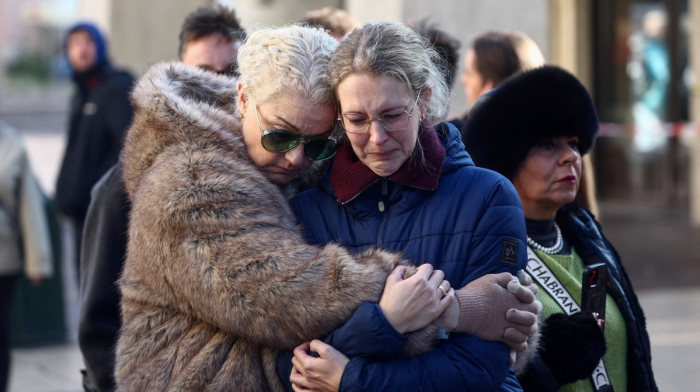
Monday marks the second of two days of national mourning in Poland as police bolstered security after six people were killed in a mass shooting in Kraków.
The Saudi-led coalition fighting Yemen's Houthis said it intercepted and destroyed two ballistic missiles fired by the Iran-aligned group towards Riyadh on Sunday (8 November), after loud booms were heard in the Saudi capital. The Aramco building was damaged by falling debris.
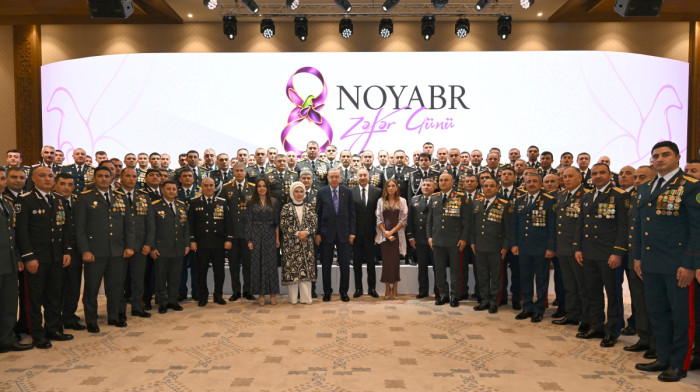
Azerbaijan is marking the sixth anniversary of Victory Day on Sunday, 8 November, with President Ilham Aliyev visiting the Victory Monument in Khankendi, laying a wreath and paying tribute to servicemen killed during the 44-day Second Garabagh War in 2020.
The Metropolitan Museum of Art has announced that its 2027 Costume Institute exhibition and Met Gala will explore how designers transform everyday clothing and ordinary materials into works of art.
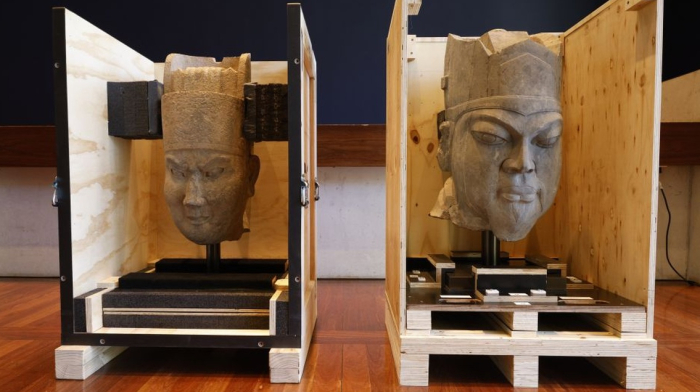
Australia has returned two ancient stone statue heads to China, more than 30 years after they were taken from imperial tombs in central China.
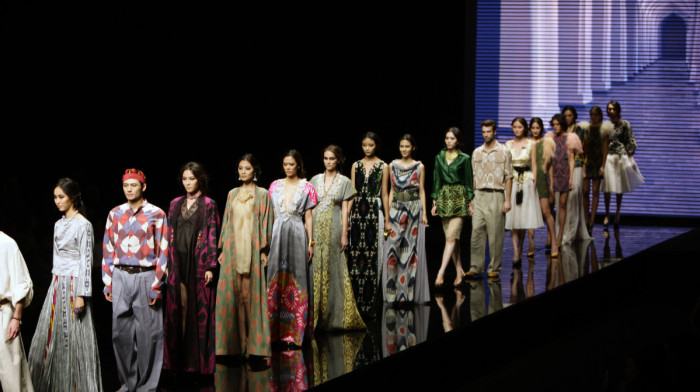
Uzbekistan is launching a new fashion academy in Tashkent to help local clothing manufacturers build their own brands, sharpen design skills and compete in international markets.
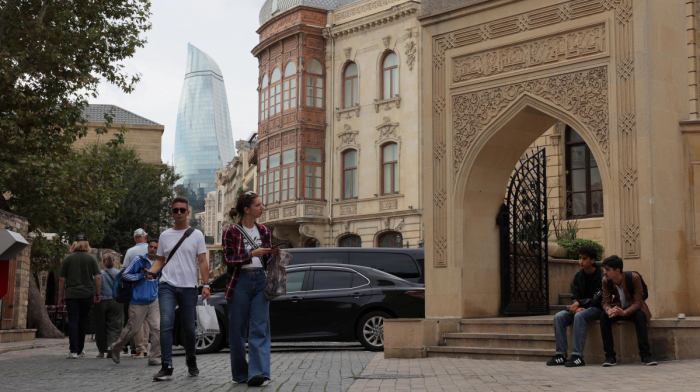
Baku is set to host the second “Fly to Baku” Art Weekend from 30 October to 1 November, bringing together Azerbaijani and international artists to explore the Caucasus’ wildlife and cultural heritage, and the need to protect nature.
A rare 67-million-year-old dinosaur skeleton known as “Jodi” has sold for $47.3 million at Sotheby’s in New York, smashing its pre-sale estimate and becoming the second-most expensive dinosaur fossil ever sold at auction.
You can download the AnewZ application from Play Store and the App Store.
What is your opinion on this topic?
Leave the first comment