Drone attack sparks fire at power station in northern Sudan
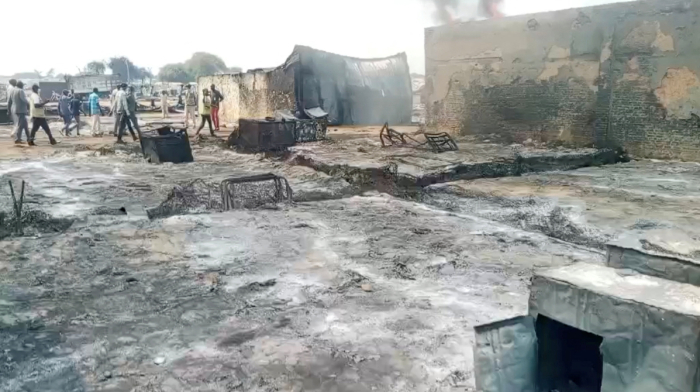
A drone strike hit a power station in northern Sudan early Sunday (1 November), sparking a fire and triggering loud explosions, witnesses said....
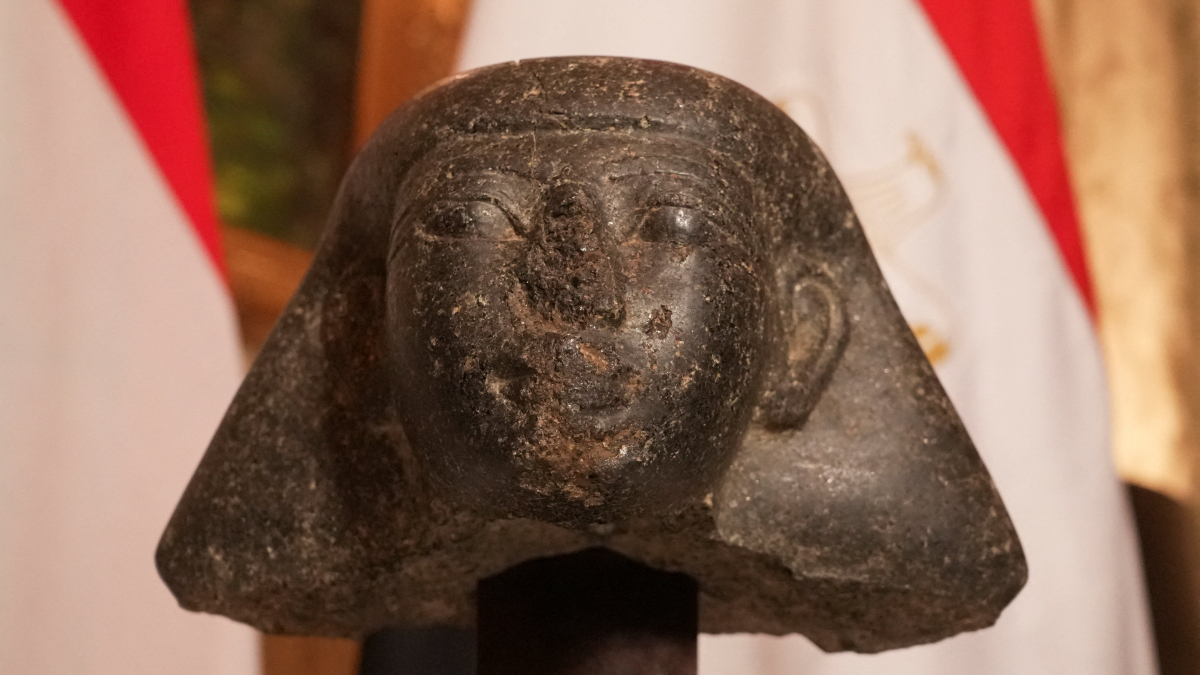
The Netherlands has returned a 3,500-year-old Egyptian sculpture to Egypt, after an investigation confirmed the artefact had been looted and unlawfully removed from the country.
The handover took place in The Hague on Thursday, following an investigation by Dutch police and the cultural heritage inspectorate. Authorities concluded last year that the artefact had been smuggled out of Egypt.
The sculpture, a granodiorite head believed to have originated in Luxor, dates back to the reign of Thutmose III and was once part of a larger block statue.
The identity of the official it depicted remains unknown, as the head was separated from the rest of the statue.
Dutch Culture Minister Gouke Moes said the return reflected the Netherlands’ policy on cultural restitution.
“Our policy is to return what does not belong to us and to return it to the rightful cultural group or country,” Moes said during the ceremony.
Egypt’s ambassador to the Netherlands, Emad M. Henna, welcomed the move, calling it a matter of national dignity and pride. He added that the return would also benefit Egypt’s tourism sector, as cultural heritage plays a key role in attracting visitors.
The sculpture resurfaced at a Dutch art fair in 2022. Art dealer Sycomore Ancient Art, which had acquired the piece but raised concerns about its provenance, voluntarily surrendered it after the investigation.
Dutch heritage inspector Diederik Smit said the statue dated back around 3,500 years, highlighting its historical significance.
Egyptian officials said the artefact would be displayed in Egypt, although it is not yet clear where it will be housed.
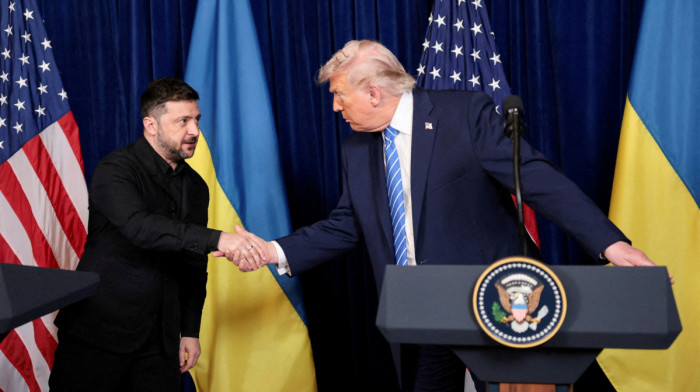
The U.S. has approved the sale of 500 Patriot PAC-3 missiles to Ukraine in a deal worth an estimated $2.1 billion, but Kyiv could face years of delays before receiving the weapons it urgently needs to defend against intensifying Russian attacks.
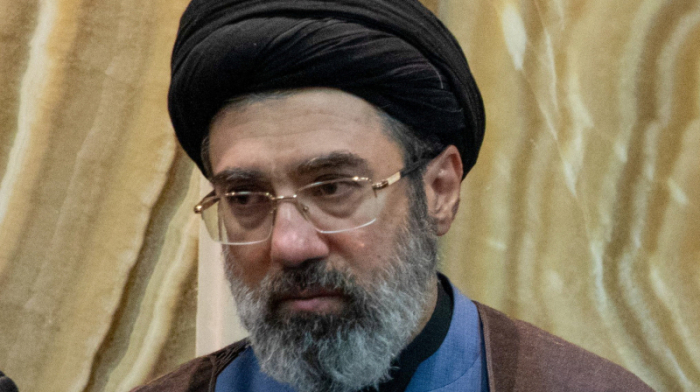
Iranian Supreme Leader Ayatollah Khamenei has ordered Iran's armed forces to respond to any threat immediately and without geographical limits in statements posted to social media platforms on Saturday (31 October).
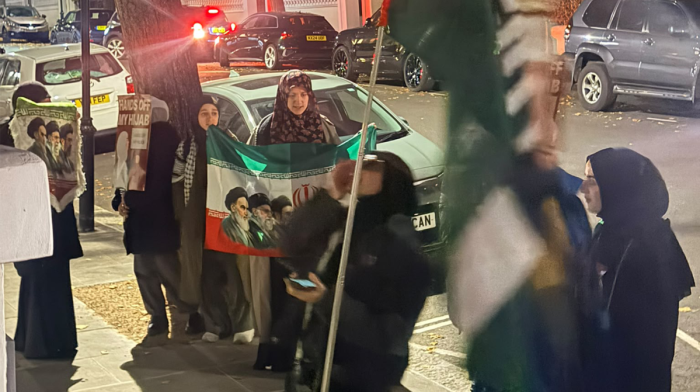
Demonstrators carrying Iranian flags and placards supporting the hijab gathered outside the Azerbaijani Embassy in London.
A Chinese-made AI chip has matched Nvidia’s H200 in tests conducted by its developer, marking a potential breakthrough in China’s efforts to reduce its dependence on foreign technology.
A hacking group linked to North Korea is widely believed to be behind the theft of $6.3 billion from cryptocurrency giant Binance, a cyberattack that experts describe as the largest cryptocurrency heist on record.
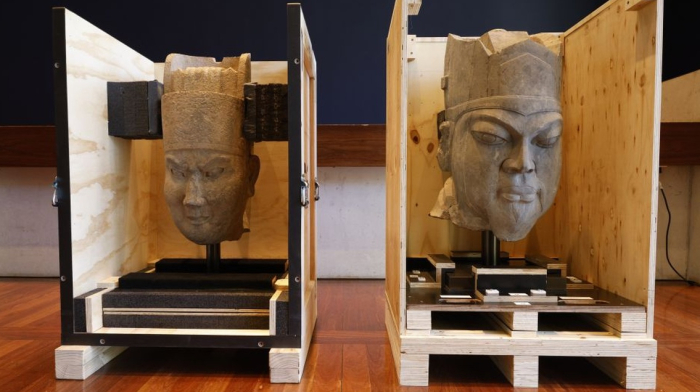
Australia has returned two ancient stone statue heads to China, more than 30 years after they were taken from imperial tombs in central China.
Uzbekistan is launching a new fashion academy in Tashkent to help local clothing manufacturers build their own brands, sharpen design skills and compete in international markets.
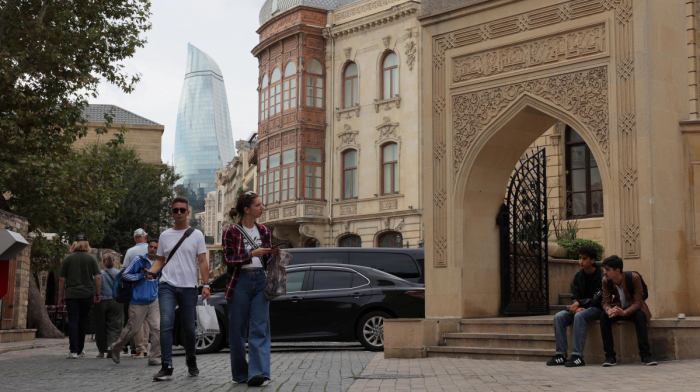
Baku is set to host the second “Fly to Baku” Art Weekend from 30 October to 1 November, bringing together Azerbaijani and international artists to explore the Caucasus’ wildlife and cultural heritage, and the need to protect nature.
A rare 67-million-year-old dinosaur skeleton known as “Jodi” has sold for $47.3 million at Sotheby’s in New York, smashing its pre-sale estimate and becoming the second-most expensive dinosaur fossil ever sold at auction.
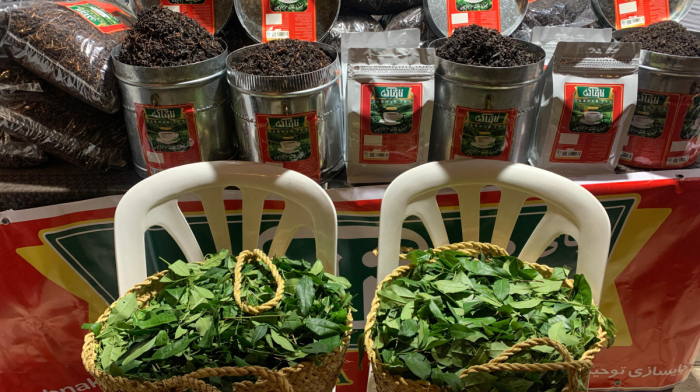
Iran is looking to turn its centuries-old tea culture into an opportunity for trade, industrial development and tourism as it held the Second Tea Festival in the northern province of Gilan bordering the Caspian Sea.
You can download the AnewZ application from Play Store and the App Store.
What is your opinion on this topic?
Leave the first comment