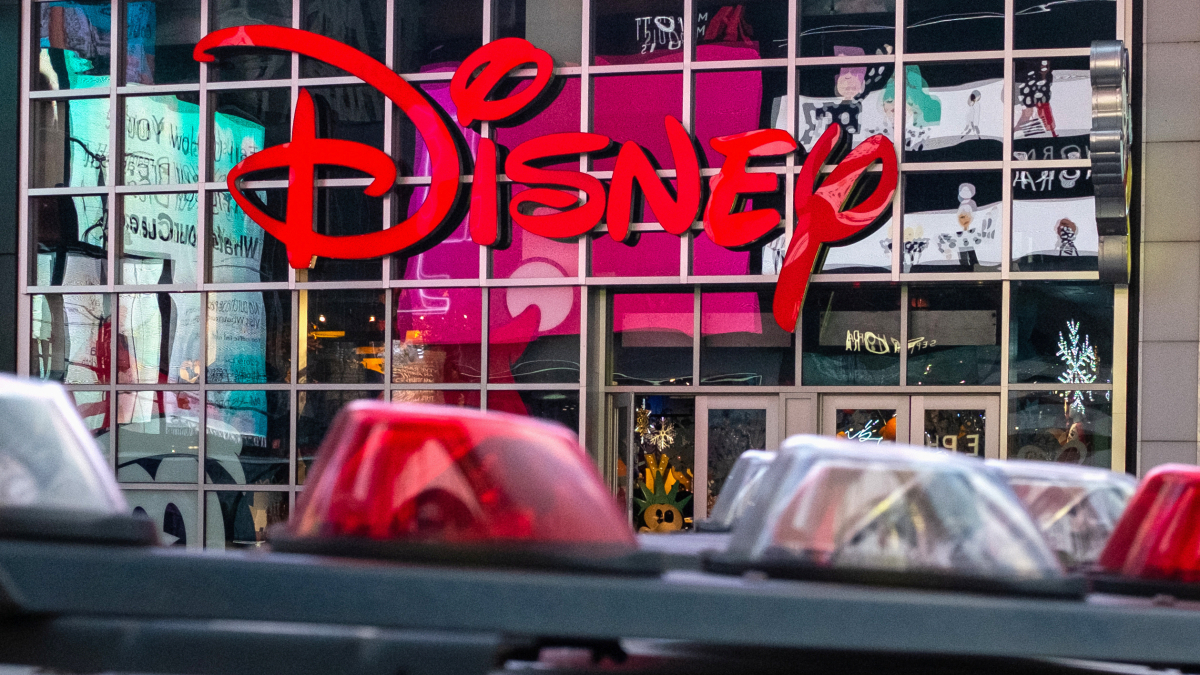
Walt Disney is bracing for a potentially long and contentious battle with YouTube TV over the distribution of its television networks, a development that has raised concerns among investors about the future of its already struggling television business.
On Thursday, the company reported a mixed quarterly earnings performance, with revenue falling short of analyst expectations and its traditional television business continuing to face significant challenges.
In the latest chapter of the ongoing carriage rights disputes between major media companies and online TV providers, Disney's television networks were removed from YouTube TV — the fourth-largest pay-TV service in the United States with approximately 10 million subscribers. The blackout began on 30 October and marks another high-profile standoff, similar to the dispute earlier this year between NBCUniversal and YouTube TV.
Chief Financial Officer Hugh Johnston mentioned on the company's post-earnings call that Disney had "built a hedge" into its forecasts, anticipating that the negotiations with YouTube TV could drag on longer than expected.
While Disney's TV division continues to be a major part of its business, the company is actively reducing its dependence on traditional cable distributors for channel distribution. However, analysts such as Ross Benes, senior analyst at eMarketer, pointed out that this transition will take time, and YouTube TV's absence from Disney’s distribution channels leaves a significant void for sports fans, particularly as YouTube TV is one of the leading providers for cable TV content.
Morgan Stanley analysts have estimated that a 14-day blackout on YouTube TV could cost Disney approximately $60 million in lost revenue, further illustrating the financial stakes of this ongoing dispute. The confrontation underscores the growing leverage that YouTube TV's parent company, Google, holds due to its rapid growth and vast financial resources.
Disney’s CEO, Bob Iger, defended the company's stance, saying, "The deal that we have proposed is equal to or better than what other large distributors have already agreed to." He emphasised the importance of negotiating a deal that reflects the true value Disney delivers, which, according to Iger, both YouTube and Alphabet have acknowledged as being greater than any other provider.
Mixed Financial Performance
Despite the ongoing disputes and challenges in the TV business, Disney’s financial performance was somewhat mixed for the quarter ending in September. The company’s total revenue reached $22.5 billion, nearly identical to the same period last year, but it fell short of analysts’ expectations of $22.75 billion. The company's profit from its traditional television unit saw a steep decline, dropping 21% to $391 million, while income from ESPN also slipped, reflecting the ongoing weakness in the cable sector.
On a more positive note, Disney’s streaming business continued to show strong growth, with earnings rising 39% to $352 million. The company's investment in streaming services, including Disney+ and Hulu, has helped offset the broader decline of traditional television. The company also added 12.5 million new subscribers to its streaming platforms during the quarter, bringing its total subscriber base to 196 million.
Strength in Parks and Dividends
Disney’s parks and resorts division, which has been a key growth driver, saw continued strength. Operating income for the theme parks segment rose 13% to $1.88 billion, driven in part by an expansion of its cruise ship business in the U.S. and strong growth at Disneyland Paris.
In a bid to reward shareholders and bolster investor confidence, Disney also announced plans to increase its dividend by 50%, raising it to $1.50 per share. Furthermore, the company revealed that it would double its share buyback programme to $7 billion for fiscal 2026. These moves are seen as efforts to stabilise the company’s financial position amidst challenges in its traditional TV business.
Future Plans: Streaming, AI, and Innovation
Despite the pressures on its TV business, Disney continues to push forward with its streaming and technological innovations. Chief Financial Officer Hugh Johnston credited a new distribution deal with Charter Communications for helping draw new streaming customers, further strengthening Disney’s direct-to-consumer platforms.
Additionally, Iger shared that Disney has been exploring the use of artificial intelligence (AI) in enhancing the streaming experience for users. The company has had discussions with AI companies, exploring opportunities to integrate AI technologies that could help Disney+ subscribers create short-form content.
Iger highlighted the potential for AI to make Disney's platforms more dynamic and engaging for consumers, offering new tools that would keep viewers interacting with Disney’s offerings for longer periods.
“We see phenomenal opportunities to deploy AI across our direct-to-consumer platforms,” Iger said, noting that the company is focused on providing tools that make these platforms "more dynamic and more sticky with consumers."
Despite the challenges facing Disney’s traditional TV business, the company’s expansion into streaming, its growing parks and resorts business, and its focus on innovation through AI provide a mixed but forward-looking picture. The ongoing negotiations with YouTube TV and other cable distributors will likely remain a key issue for the company in the coming months, as Disney seeks to navigate the shifting landscape of television distribution.
With Iger’s contract set to expire at the end of 2026 and the company expected to name his successor early next year, the coming years will be pivotal for Disney as it works to adapt to a rapidly changing media environment and secure its position in both traditional and digital entertainment markets.



















What is your opinion on this topic?
Leave the first comment