China’s export growth slowed sharply in March, as the fallout from the Middle East conflict pushed up energy and shipping costs, weakening global demand and exposing risks in Beijing’s reliance on manufacturing to drive growth.
Outbound shipments rose just 2.5% year-on-year, official data showed, a five-month low and far below expectations of 8.3%. The slowdown marks a steep drop from the 21.8% surge recorded in the first two months of the year, when exports were buoyed by strong demand for electronics linked to the artificial intelligence boom.
The sharp deceleration comes as the conflict involving Iran disrupted global trade flows, driving up fuel and transport costs and weighing on consumer demand worldwide.
“Export growth to major destinations slowed across the board,” said Zhiwei Zhang, Chief Economist at Pinpoint Asset Management, attributing the decline to rising uncertainty linked to the conflict.
Trade surplus narrows
China’s trade surplus fell to $51.13 billion in March, less than half market expectations, as imports surged 27.8%, the fastest pace since late 2021.
The jump in imports reflects both higher commodity prices and efforts by firms to secure supplies amid volatile global markets.
The data underscores how exposed China remains to external shocks. The country ran a record trade surplus of around $1.2 trillion in 2025, relying heavily on exports to offset weak domestic consumption.
Energy shock
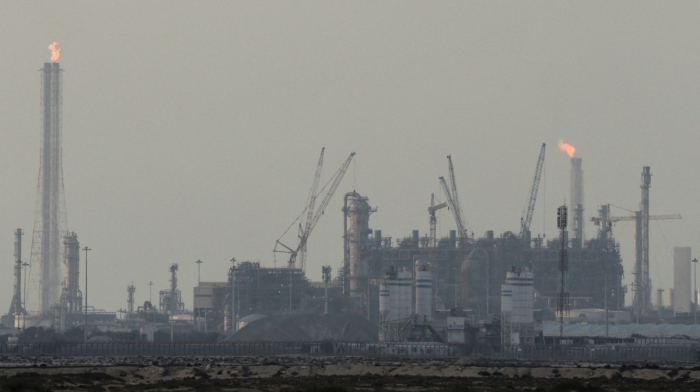
The conflict has triggered a global energy shock, particularly after disruptions around key shipping routes such as the Strait of Hormuz, through which a significant share of global oil and gas flows.
As one of the world’s largest energy importers, China is especially vulnerable. Natural gas imports dropped 10.7% year-on-year in March to their lowest level since October 2022, while crude oil imports fell 2.8%, partly due to earlier shipments booked before the escalation.
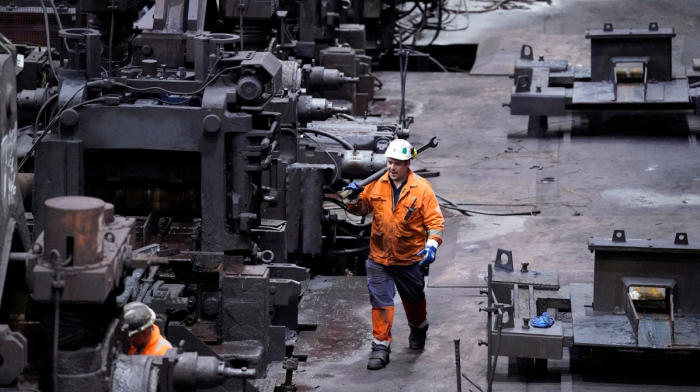
Rising fuel costs have also pushed up factory input prices, with economists warning that Chinese producers may struggle to pass these costs on to overseas buyers.
This crisis is likely to last, analysts said in recent assessments, pointing to sustained pressure on global supply chains and trade flows.
Uneven outlook
Despite the slowdown, some sectors continue to show resilience. Strong global demand for semiconductors, electric vehicles (EVs) and green technologies is expected to support exports in the near term.
Chen Bo, a Senior Research Fellow at the National University of Singapore, said Chinese goods could become “even more competitive” as energy costs rise faster in other economies.
China’s long-standing strategy of stockpiling commodities and maintaining diversified supply chains may also cushion the impact of global price shocks.
However, economists warn that Beijing’s broader growth model remains under strain. Domestic consumption has yet to recover fully, leaving the economy dependent on external demand at a time of rising geopolitical risk.
Growth in the roughly $19 trillion economy is expected to slow to around 4.6% this year, even as first-quarter data points to a modest rebound.
Structural pressures
The March figures were also affected by seasonal distortions, including the timing of the Lunar New Year holiday, when factories typically scale back production.
At the same time, a high comparison base, after exporters rushed shipments in early 2025 ahead of tariffs introduced under U.S. President Donald Trump, further exaggerated the slowdown.
While China’s export sector remains a key pillar of growth, the latest data highlights how quickly momentum can falter when global conditions deteriorate.


















What is your opinion on this topic?
Leave the first comment