AI-powered shopping assistant Phia has been accused of using "cookie stuffing" to claim affiliate commissions for purchases it did not generate, according to a Bloomberg investigation. The company says the issue has now been resolved.
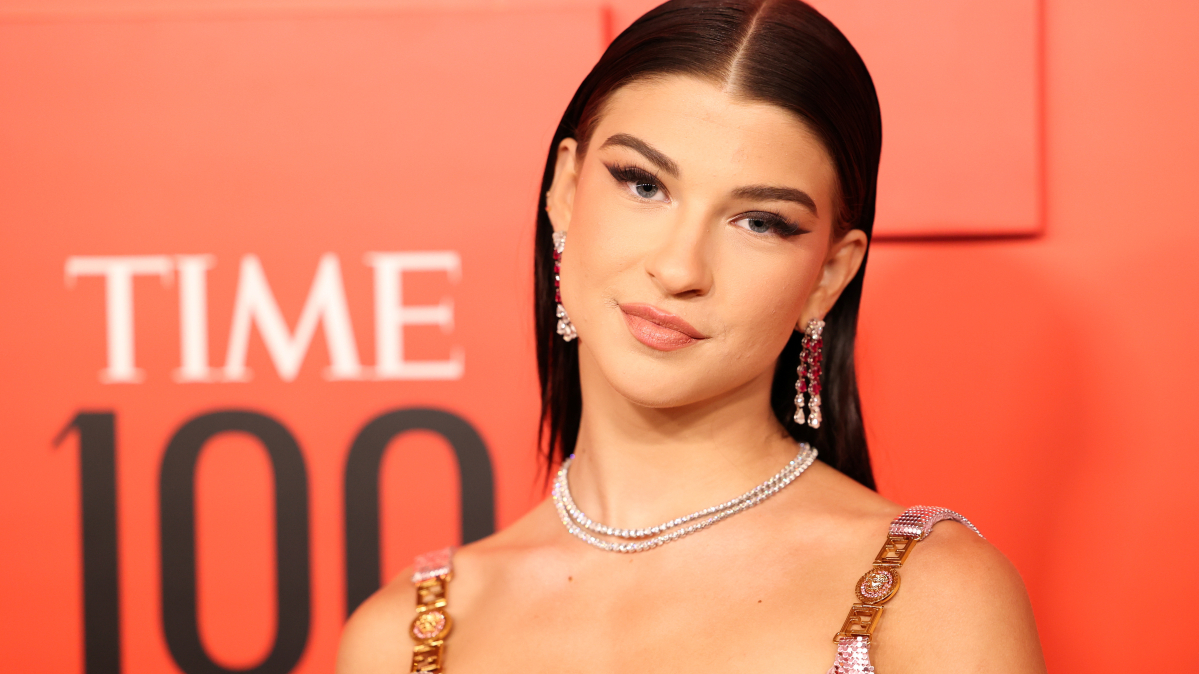
Phia is an AI shopping tool co-founded by Phoebe Gates, daughter of Bill Gates, and Sophia Kianni in 2024. The browser extension finds discount codes and helps users compare prices across retailers, earning a commission on qualifying sales.
As Kianni said in a recent interview: "more than 1.5 million users rely on Phia to search over 350 million products in real time".
The New York-based start-up recently closed a Series A funding round, raising more than $35.5 million. Its celebrity investors include Kris Jenner, Sydney Sweeney, Alix Earle, Jessica Alba and Paris Hilton.
Bloomberg investigation
Following an investigation by Bloomberg, alongside independent testing by researcher Ben Edelman, it was concluded that Phia claimed commissions from retailers for sales it did not generate.
After testing the extension across more than 50 websites, Bloomberg found that, during the checkout process, the extension automatically opened a background tab that loaded Phia's affiliate link to the retailer's website. This ensured its tracking cookie was set, replacing referrals from other publishers and advertisers.
Because this occurred only on mobile web browsers, users were unable to notice the additional tab opening before it closed again within seconds.
According to Bloomberg, this behaviour violated the terms of service of several major affiliate networks, including Impact.com, CJ Affiliate, Rakuten and Awin. It was observed on more than 50 major retail websites, including Walmart, Nike and Zara.
Phia responds to referral attribution concerns
A Phia spokesperson acknowledged the issue, stating that it had since been resolved:
"Within the last 24 hours, we were made aware that in a recent release our codebase was causing misattributions from a subset of users. As soon as we were notified, our team worked overnight to identify, mitigate, and has since resolved the issue."
After receiving Phia's response, Bloomberg retested the browser extension and confirmed that it no longer automatically claimed referral clicks as it had previously done.
Read more
















What is your opinion on this topic?
Leave the first comment