The Iranian President, Masoud Pezeshkian, said that the U.S. hegemonic approach has been the main obstacle to reaching a fair agreement, his office announced on Monday.
The President's official website, President.ir reported that “President Pezeshkian said the United States’ hegemonic approach and double standards remain the greatest barriers to reaching a fair and balanced agreement between Tehran and Washington.”
“If the United States adheres to international legal principles, achieving an agreement will not be out of reach,” he was quoted saying in a call with Russian President Vladimir Putin on Sunday.
President Pezeshkian also expressed his gratitude for Kremlin’s “solidarity (with Iran) and opposition” to a recent anti-Iran resolution at the United Nations Security Council and termed its stance as a “valuable step toward preventing further escalation”.
It is the sixth day of the two-week ceasefire between Iran, U.S. and Israel following the inconclusive mediated talks between Tehran and Washington in Islamabad on Saturday and Sunday.
Meanwhile, Parliament Speaker Mohammad-Bagher Ghalibaf said that the talks failed because the U.S. side could not convince Iranian negotiators of its reliability.
“My colleagues in the Iranian delegation of Minab 168 offered forward-looking initiatives, but the other side ultimately could not gain the trust of the Iranian delegation in this round of negotiations,” he said in a social media post.
“The United States understood our logic and principles, and now it is time for it to decide whether it can win our trust or not,” added Ghalibaf who led the Iranian negotiating team in Pakistan.
On the eve of the talks, he said, ‘I stressed that we have the necessary goodwill and determination, but due to the experiences of the previous two wars, we do not trust the other side.”
Also Foreign Minister Abbas Araghci said in a post on X social platform that Iran entered Islamabad talks with “good faith”, citing the U.S. “shifting goalposts” for talks collapse when both sides were “inches away” from a deal.
“In intensive talks at highest level in 47 years, Iran engaged with U.S in good faith to end war. But when just inches away from "Islamabad MoU", we encountered maximalism, shifting goalposts, and blockade,” he wrote
“Zero lessons earned. Good will begets good will. Enmity begets enmity,” added Iran’s top diplomat who was present in the Islamabad talks with the U.S.
According to official news media, Araghchi also held a phone call with French Foreign Minister Jean-Noel Barrot on the reasons behind failure of Iran-US negotiations in Islamabad.
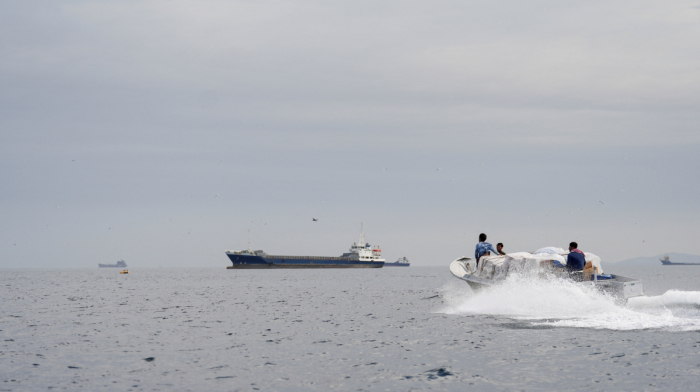
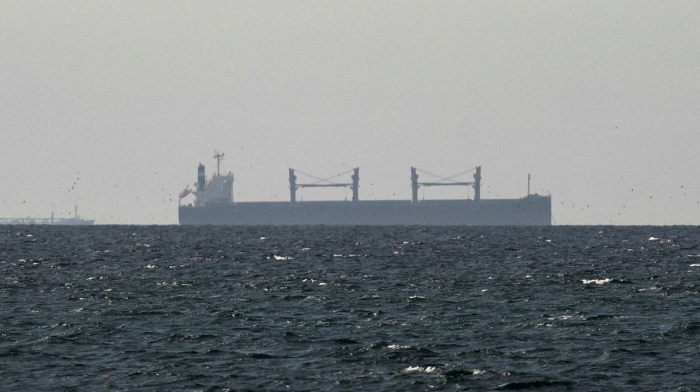
While the deadlock in talks continues, Iran firmly holds its grip on the strategic waterway of Strait of Hormuz as its bargaining chip in the ceasefire talks following the Israeli-U.S. war on Iran which began 28 February and lasted for 39 days.
The Islamic Revolutionary Guards (IRGC) Navy said in statement on Sunday that it will consider military vessels approaching the Strait of Hormuz as ceasefire violation, sepahnews.ir reported.
It warned that any military vessel approaching the narrow stretch of waterway will be considered a breach of the ceasefire and be dealt with by force.
Saying that the waterway is under the “smart management” of Iran, the IRGC added that it is open only for the “safe passage of non-military vessels” in accordance with regulations.









What is your opinion on this topic?
Leave the first comment