live Hormuz shipping slows as Iran's Araghchi sets conditions for resumption
Shipping through the Strait of Hormuz slowed to a near standstill over the weekend, with five commodity vessels transiting Saturday and none on Sun...
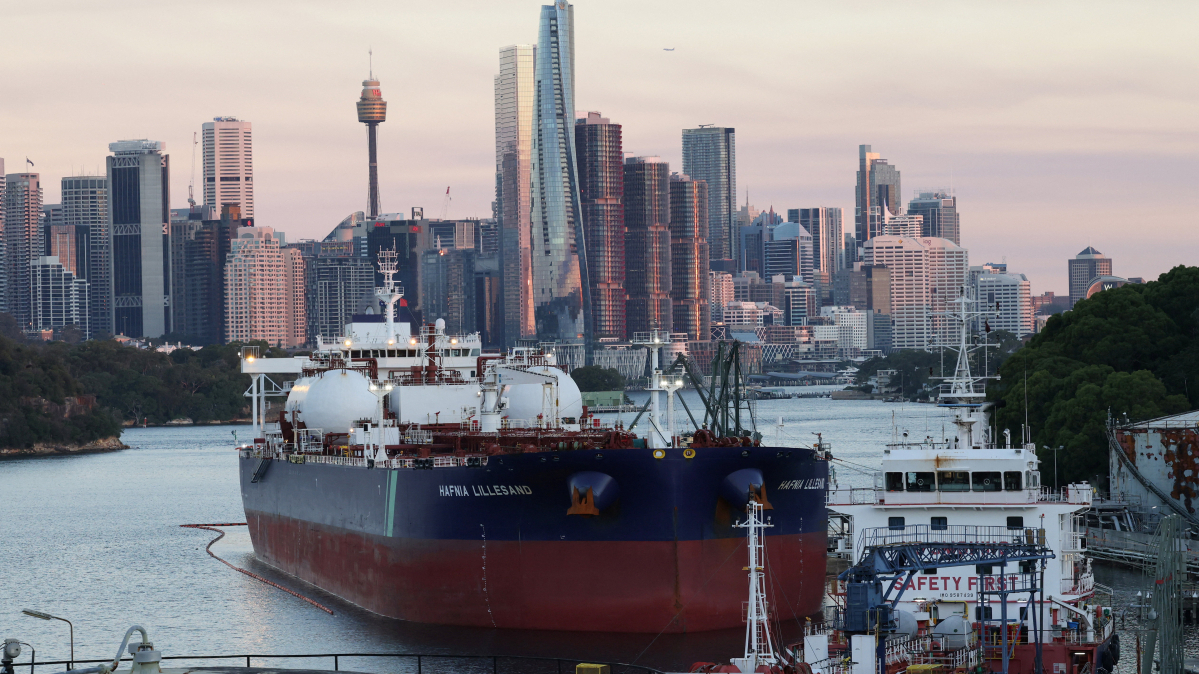
Australia is considering building its first new oil refinery in more than six decades as conflict in the Middle East exposes the country's heavy reliance on imported fuel.
Prime Minister Anthony Albanese announced on Tuesday (28 July) that the federal government and the Western Australia state government will jointly invest $2.78 million (A$4 million) in a feasibility study for the project.
If approved, the refinery would be built by industrial chemicals company Perdaman in Western Australia.
Albanese said the project could strengthen Australia's fuel security and make the country less vulnerable to overseas disruptions.
"The war in the Middle East... is having an impact here, like it's having an impact right around the world," he told reporters in Karratha.
"One of the things that building national resilience does is it makes Australia less vulnerable to the impact of events around the world."
He added that the study would determine whether the refinery is commercially viable.
"We want to make sure that we get the right location but we want to make sure as well that it's a project that stacks up, that can go forward," Albanese said.
Australia imports around 80% of the fuel it consumes, leaving it exposed to global supply disruptions.
The renewed conflict in the Middle East has increased concerns over fuel availability and rising energy costs. A recent Treasury briefing warned that the global oil market has become more vulnerable, with smaller buffers against supply shocks as oil inventories decline and refined fuel markets tighten.
The government says reducing dependence on imports has become a strategic priority.
Australia's refining industry has steadily declined over the past three decades as older plants struggled to compete with larger and cheaper refineries across Asia.
Most of the country's refineries were built during the 1950s and 1960s. Today, only two remain in operation: Ampol's refinery in Queensland and Viva Energy's refinery in Victoria. In 2000, Australia had eight operating refineries.
Western Australia has had no refining capacity since BP closed its Kwinana refinery in 2021 and converted the site into a fuel import terminal.
If the proposed project goes ahead, it would become Australia's first newly built oil refinery in more than 60 years and mark a significant shift in the country's approach to energy security.
At least 11 people were killed in Israeli strikes on southern Lebanon on Saturday, among the deadliest since a June ceasefire. Meanwhile, Qatar denied holding Iranian pilots. It said it had found the remains of one pilot after an airspace violation and had contacted Iran to coordinate a handover.
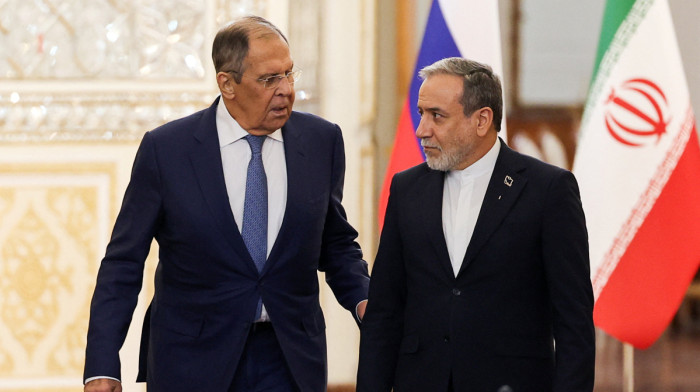
Shipping through the Strait of Hormuz slowed to a near standstill over the weekend, with five commodity vessels transiting Saturday and none on Sunday. Iran's Foreign Minister Abbas Araghchi said Washington must meet Tehran's conditions for shipping to resume.
A wildfire in Croatia driven by strong winds descended on the tourist town of Omis overnight, engulfing houses, forcing about 1,000 people to evacuate to safety and injuring dozens, fire brigade and health officials said on Friday.
Residents of villages in eastern Indonesia hit by a deadly earthquake that killed at least 54 people were awaiting aid on Monday as rescuers prepared to comb through collapsed buildings in search of people trapped beneath the rubble.
South Korea's presidential Blue House said on Monday it was reviewing U.S. President Donald Trump's comments on scaling back joint military drills. It added that it hoped a favourable relationship between Washington and Pyongyang could lead to meaningful talks.
Nearly a week after a powerful 7.4-magnitude earthquake struck western Colombia, hopes of finding more survivors are fading as rescue teams search collapsed buildings and communities confront widespread destruction.
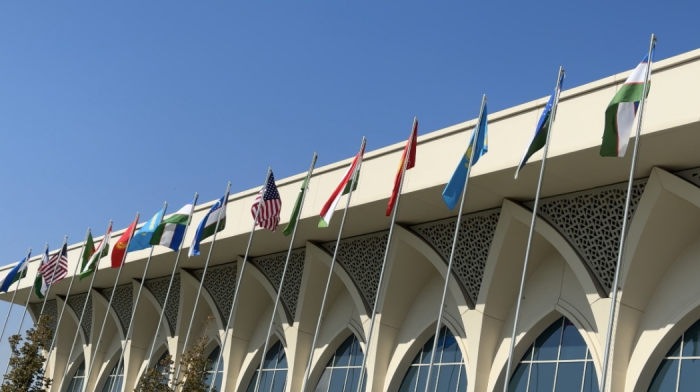
Central Asia has become a major focus for Eurasian transport investment, with $71.7 billion committed to 114 projects, according to the Eurasian Development Bank’s 2026 Transport Observatory.
The European Union is preparing what foreign policy chief Kaja Kallas has described as its most far-reaching sanctions package against Russia since the war in Ukraine began.
Weeks after thousands of students protested in New Delhi over alleged failures in India’s examination system, the so-called Cockroach movement is taking its campaign to the grassroots, launching audits of state-run schools.
UNESCO Director-General Khaled El-Enany visited Ukraine for the first time since taking office, meeting Foreign Minister Andrii Sybiha in Kyiv on 15 August to discuss protecting the country’s cultural heritage amid continued Russian attacks.
You can download the AnewZ application from Play Store and the App Store.
What is your opinion on this topic?
Leave the first comment