Bangladesh rejects Sheikh Hasina's passport request ahead of planned return
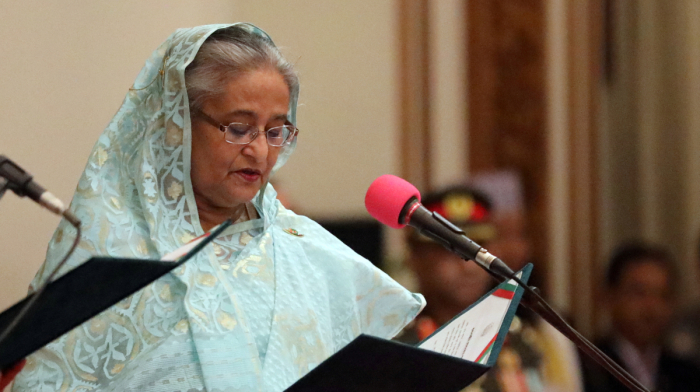
Bangladesh has rejected ousted Prime Minister Sheikh Hasina's application for a new passport, casting doubt on her planned return from exile in...
The U.S. Department of Defense is overhauling its software acquisition strategy to open the door wider to commercial and nontraditional software providers.
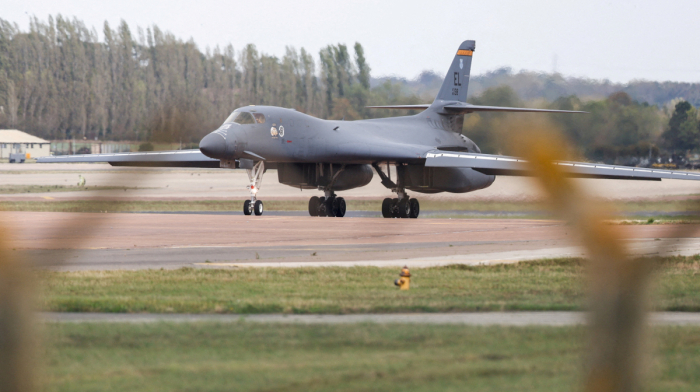
The memo, part of a series of Pentagon directives aimed at transforming how the department acquires both weapons and support systems, calls for the adoption of the Software Acquisition Pathway (SWP) as the preferred route for all software development components. “It effectively is streamlining the access of those nontraditional commercials so that they can play in the game, that the defense primes are also playing in,” a defense official explained on a call with reporters.
Under the new directive, the DoD will pursue contracting strategies that favor commercial solutions over the traditional hardware-centric and cost-plus contract models. This shift is seen as essential for keeping pace with rapid commercial technology advancements and ensuring faster delivery and iterative improvement of software used in military operations.
Smaller companies, such as Second Front Systems, have made strides in entering Pentagon projects but have long struggled to break through barriers dominated by larger defense primes like Lockheed Martin and General Dynamics. Tyler Sweatt, CEO of Second Front Systems, told Reuters, “Moving away from building custom software using cost-plus style contracts and towards procuring solutions puts better capabilities in the hands of our warfighters.”
To ensure a swift transition, the Under Secretary of Defense for Acquisition and Sustainment, in coordination with the Director of the Defense Innovation Unit, has been tasked with developing an implementation plan within 30 days. The directive reflects the DoD’s commitment to adapting to the reality of software-defined warfare and improving its procurement processes to leverage commercial capabilities effectively.
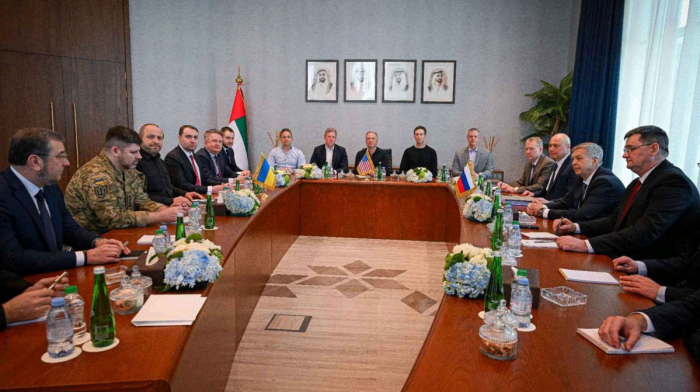
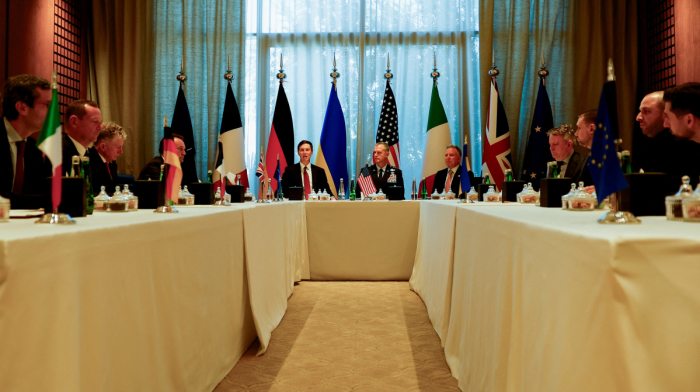
Delegations from Russia, Ukraine and the United States met in Abu Dhabi on Tuesday for their first formal talks in nine months. They did so with no agreement on what a ceasefire would be tied to or who gets to keep the land currently under Russian control.
At least 17 people have been reported killed in an explosion at a steel plant in western Türkiye, after a crane collapsed during maintenance work. The disaster has prompted a criminal investigation into what went wrong at the industrial facility.
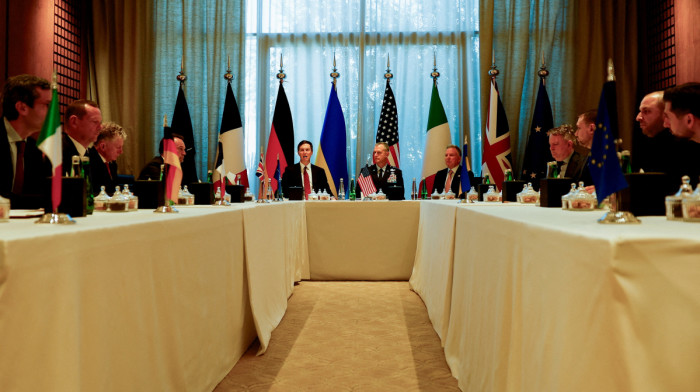
Russia and Ukraine are set to return to Abu Dhabi on Tuesday for a fourth round of U.S.-brokered peace talks, with European participation, security guarantees and territorial disputes expected to shape the negotiations.
U.S. envoy Jared Kushner said Washington believes the Russian President is prepared to reach a peace agreement under the right conditions, as U.S., Russian and Ukrainian delegations began trilateral talks in Abu Dhabi on Tuesday 10 November.
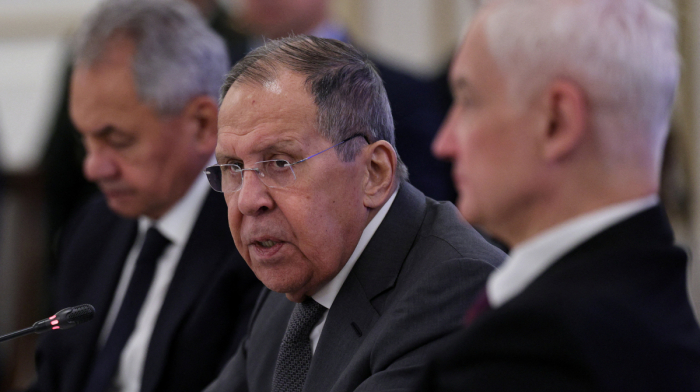
Armenia could lose its voting rights within the Collective Security Treaty Organization (CSTO) on 11 November after failing to pay membership fees for more than two years, Russian Foreign Minister Sergey Lavrov has said.
Environmental organisations worldwide are increasingly using artificial intelligence to monitor wildfires, protect endangered species and analyse climate data, even as the technology's rising energy and water consumption raises concerns about its environmental impact.
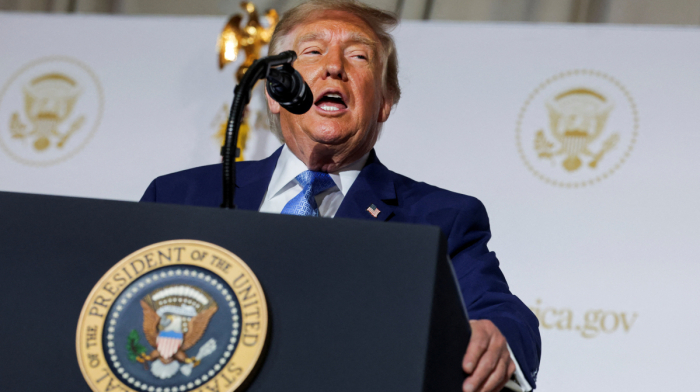
U.S. President Donald Trump said on Friday he would support states seeking to generate wealth through artificial intelligence, pledging to work with them as Democrats outlined plans to address the technology following Tuesday’s elections, which unsettled markets.
Dubai will host GITEX Global 2026 from 7 to 11 December, bringing together global technology leaders, governments and investors as surging demand for artificial intelligence (AI) puts pressure on energy supplies, computing capacity and digital infrastructure.
Saudi Aramco's acquisition of a 49 per cent stake in artificial intelligence (AI) company HUMAIN is putting a spotlight on a wider investment question: why are some of the world's biggest energy companies moving deeper into AI, and what do they expect to gain?
A Chinese-made AI chip has matched Nvidia’s H200 in tests conducted by its developer, marking a potential breakthrough in China’s efforts to reduce its dependence on foreign technology.
You can download the AnewZ application from Play Store and the App Store.
What is your opinion on this topic?
Leave the first comment