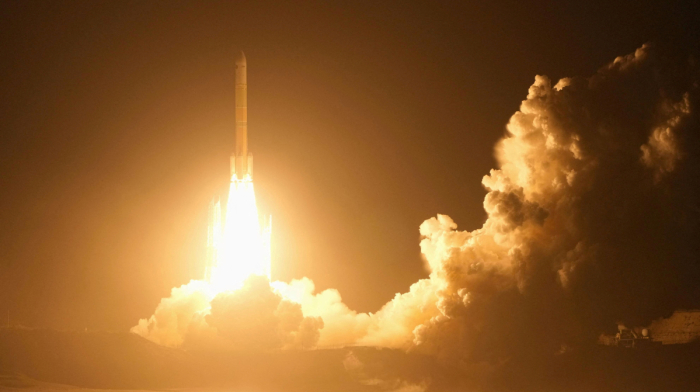
NASA has launched its latest satellite, Lunar Trailblazer, aboard a SpaceX Falcon 9 rocket from Kennedy Space Center, on a mission to pinpoint water sources on the Moon - a critical resource for future lunar missions and potential long-term bases.
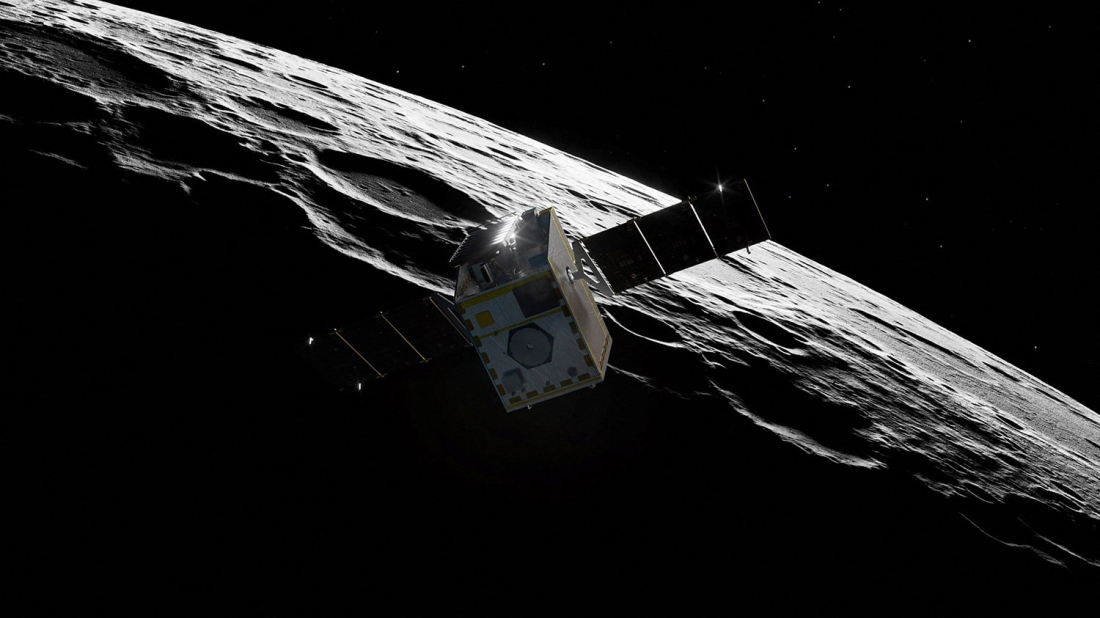
Developed by Lockheed Martin’s Space division, the dishwasher-sized Lunar Trailblazer orbiter weighs approximately 440 pounds and spans about 11.5 feet when its solar panels are fully deployed. As a secondary payload on the mission—whose primary payload is a lunar lander from Intuitive Machines—the spacecraft is designed to map the distribution of water and better understand the lunar water cycle, with a particular focus on permanently shadowed craters at the lunar poles.
“On Earth, beach deposits take millions of years to form. We believe that similar processes could have created significant water ice deposits on the Moon, especially in its permanently shadowed regions,” said planetary scientist Bethany Ehlmann, the mission’s principal investigator and director of Caltech’s Keck Institute for Space Studies.
During its planned two-year mission, Lunar Trailblazer will perform multiple flybys and looping orbits, eventually settling into a science orbit approximately 60 miles (100 kilometers) above the lunar surface. The satellite’s two onboard instruments - the Lunar Thermal Mapper (LTM) and the High-resolution Volatiles and Minerals Moon Mapper (HVM3) - will work in tandem. LTM will precisely map surface temperatures, while HVM3 will detect the unique spectral signature of water.
“By correlating temperature measurements with the presence of water, we can gain critical insights into how water moves on the Moon and where it might be stored,” added University of Oxford planetary scientist Tristram Warren, one of the developers of the LTM instrument.
Although the lunar surface is often perceived as barren, previous observations have hinted at the presence of water even in sunlit areas. However, experts believe that the greatest reservoirs may lie in the cold, permanently shadowed craters near the lunar poles. Such deposits could not only supply drinking water for future lunar explorers but also be processed into oxygen and hydrogen fuel for rockets.
NASA’s Lunar Trailblazer promises to deliver the most detailed three-dimensional maps of lunar water to date, potentially rewriting our understanding of the Moon’s history - and paving the way for sustainable exploration beyond Earth.





















What is your opinion on this topic?
Leave the first comment