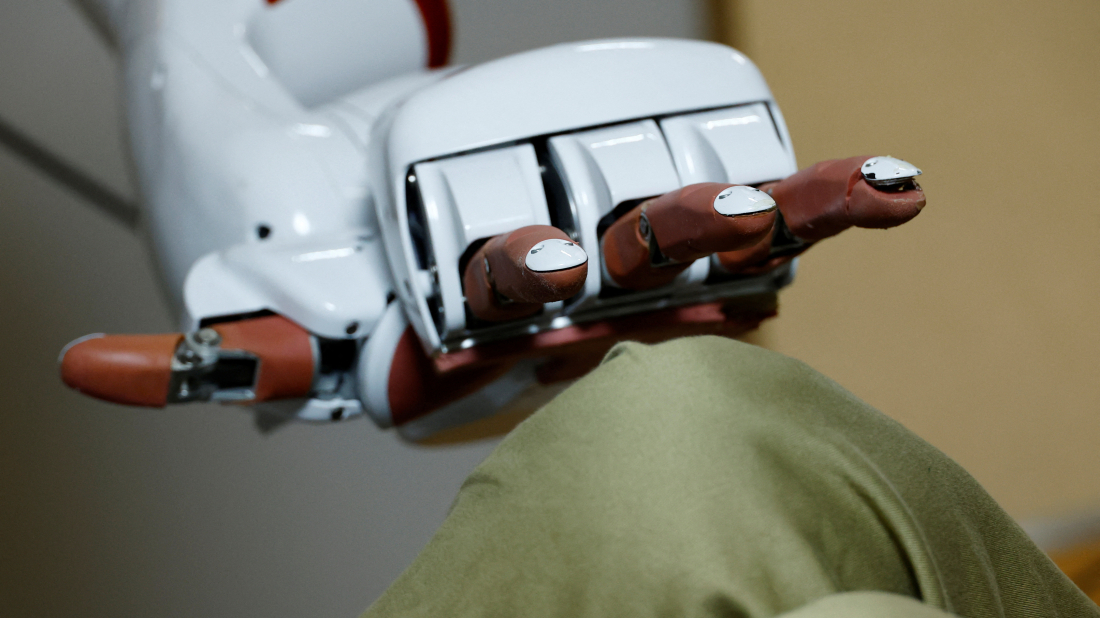
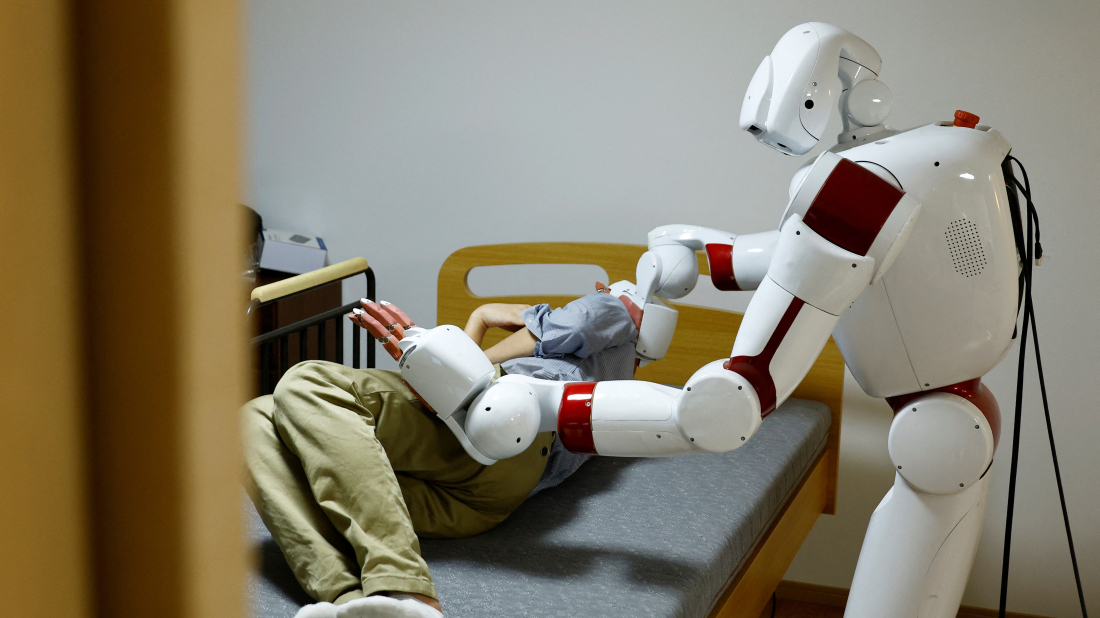
A robotic hand reaches out, adjusting a patient with careful precision. In a Tokyo lab, AIREC, an AI-driven humanoid, is being developed to assist Japan’s ageing population as the country faces a severe caregiver shortage.
The Caregiver Crisis
Japan is ageing faster than almost any nation on Earth. The number of people aged 15-64—those who make up the workforce—is expected to shrink by 9.3% in the next decade, according to government data. Meanwhile, the elderly population continues to grow, straining the country’s already stretched caregiving system.
Unlike many Western nations, Japan has strict immigration controls, limiting foreign workers who could help bridge the gap. Instead, the government is betting on robots—not as a novelty, but as a necessity.
At Waseda University, researchers are developing AIREC, a humanoid robot designed to assist with daily care. From turning bedridden patients to helping them dress, the machine is built to perform delicate, hands-on tasks safely. It is part of a government-funded effort to revolutionise elder care with artificial intelligence.
Robots That Touch and Adapt
Unlike traditional machines, AIREC isn’t just about automation—it’s about physical interaction. Most assistive robots work in controlled environments, but AIREC is being trained to sense human movements and react in real time.
“At the moment, robots still struggle to interact naturally with humans,” says Professor Shigeki Sugano, lead researcher at Waseda University. “The challenge isn’t just building a humanoid—it’s ensuring that the hardware and AI can work together to understand human behaviour.”
AIREC is already capable of helping patients sit up, put on socks, and perform simple household tasks like folding laundry and cooking scrambled eggs. Developers predict that by 2040, robots like AIREC will be assisting in care homes, with full-scale deployment expected by 2050.
A Future of Human-Robot Care
Despite the rapid advancements, acceptance remains a challenge. In a Tokyo care home, 89-year-old Yukiko Namekata watches a robot perform a dance routine. Asked about the idea of robotic caregivers, she hesitates. "Isn’t it too early for that?"
Care workers also express mixed feelings. While robots could ease workloads, some fear the loss of human warmth—an essential part of caregiving.
Yet, as Japan’s caregiver shortage worsens, the presence of robots in hospitals and nursing homes may no longer be a choice, but a necessity.
AIREC is still in development, but its outstretched robotic hand symbolises more than just technology—it’s a glimpse into a future where caregiving is no longer just human.



















What is your opinion on this topic?
Leave the first comment