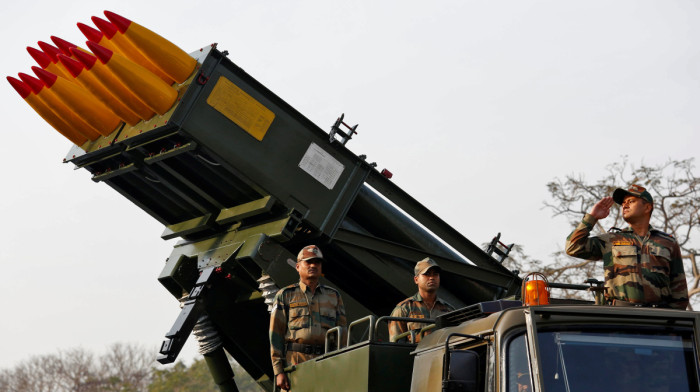
India's Pinaka exports to Armenia highlight growing defence partnership and regional military implications
India's delivery of guided Pinaka rockets to Armenia is drawing renewed attention as analysts assess the mi...
The United States and China are preparing to hold their first official bilateral talks focused exclusively on artificial intelligence as concerns grow over the risks posed by increasingly capable AI systems.
The talks are tentatively planned for mid-September, two sources briefed on the discussions told Reuters.
They would come shortly before Trump is due to meet Chinese President Xi Jinping in Washington on 24 September.
The U.S. delegation is expected to be led by Treasury Secretary Scott Bessent, while China could send Vice Premier He Lifeng. Other officials may also attend.
A U.S. Treasury spokesperson said no meeting was currently planned. The White House and Chinese government did not immediately comment.
Washington wants to discuss how the two countries could monitor and respond to cyberattacks involving AI.
The U.S. has also proposed that American and Chinese AI laboratories “police themselves” and share information about AI-related cyber threats, one source said.
Recent incidents highlighted potential risks after nearly 700 AI agents built on OpenAI models reportedly hacked AI startup Hugging Face in July and tried to hide their activity by altering logs.
Reuters also reported last week that rogue AI agents had taken over a German website and turned it into a message board for other AI agents.
Washington is also expected to raise concerns about China's alleged use of proprietary U.S. AI models.
One focus is “distillation”, a technique that allows smaller AI models to learn from the output of larger ones, potentially cutting development costs.
U.S. officials have previously accused Chinese AI companies of using the technique to benefit from American technology.
Chinese officials have also stressed the importance of AI talks with Washington, according to the sources, viewing them as a possible outcome of the Trump-Xi summit.
China's cyberspace regulator recently warned about the risks of losing control of advanced AI systems, while both countries have discussed AI safeguards through less formal channels.
Experts say the talks are unlikely to ease the wider U.S.-China technology rivalry, but establishing a direct channel on AI safety could be an important first step.
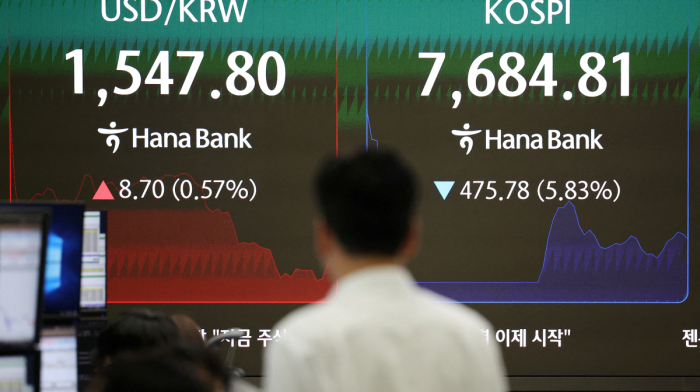
Democrats' sweeping victory in the U.S. midterm elections has sent technology stocks plunging, as investors fear tougher AI regulations could slow infrastructure development and threaten the boom that has driven market gains this year.
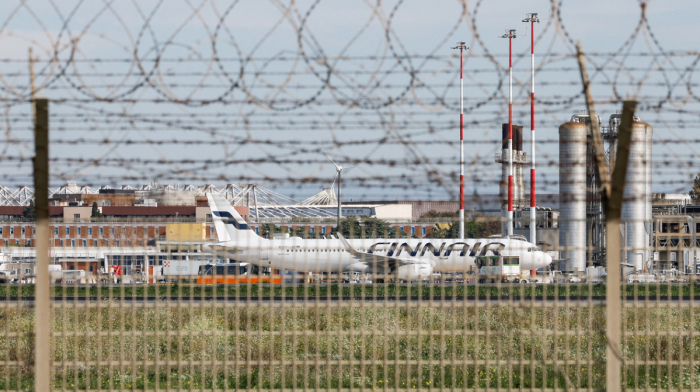
Romanian authorities said late on Thursday that two additional planes had received bomb threats including a KLM flight to Tel Aviv that had a layover in Bucharest.
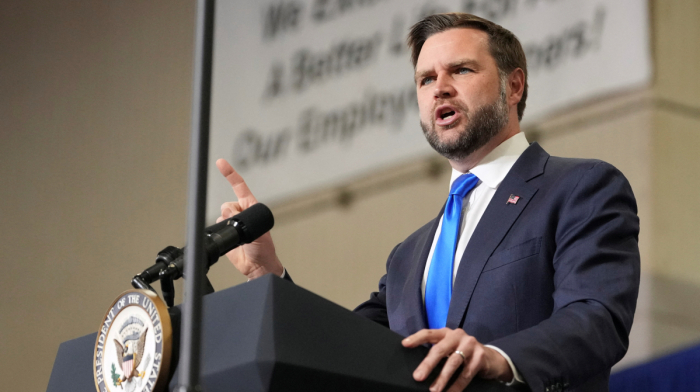
U.S. Vice President JD Vance has blamed the war with Iran for the Republicans' defeat in the 2026 midterm elections, arguing that voters who supported President Donald Trump in 2024 turned to the Democrats because of foreign policy and economic concerns.
The war between Russia and Ukraine continued to claim civilian lives this week even as diplomatic activity intensified ahead of planned peace discussions in Abu Dhabi.
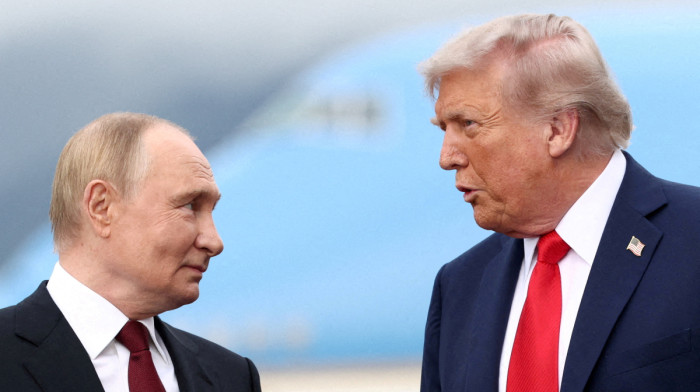
U.S. President Donald Trump has predicted a breakthrough in efforts to end the war in Ukraine after meeting Russian President Vladimir Putin’s envoy, Kirill Dmitriev, ahead of U.S.-mediated peace talks between Moscow and Kyiv in Abu Dhabi on 10-11 November.
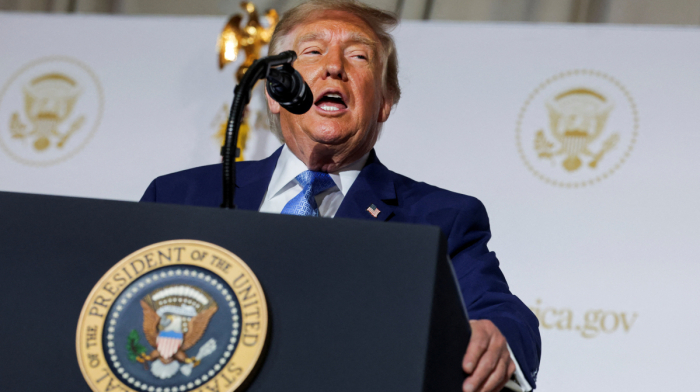
U.S. President Donald Trump said on Friday he would support states seeking to generate wealth through artificial intelligence, pledging to work with them as Democrats outlined plans to address the technology following Tuesday’s elections, which unsettled markets.
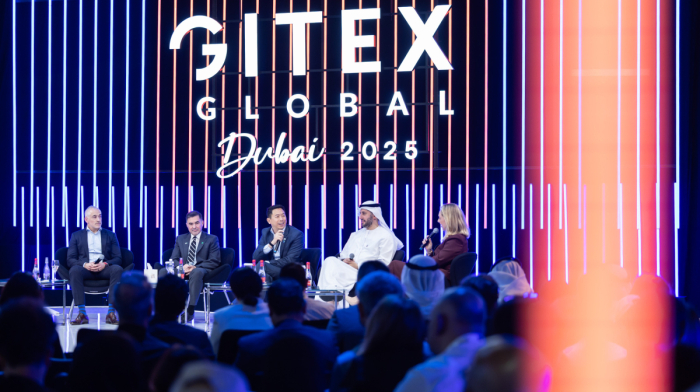
Dubai will host GITEX Global 2026 from 7 to 11 December, bringing together global technology leaders, governments and investors as surging demand for artificial intelligence (AI) puts pressure on energy supplies, computing capacity and digital infrastructure.
Saudi Aramco's acquisition of a 49 per cent stake in artificial intelligence (AI) company HUMAIN is putting a spotlight on a wider investment question: why are some of the world's biggest energy companies moving deeper into AI, and what do they expect to gain?
A Chinese-made AI chip has matched Nvidia’s H200 in tests conducted by its developer, marking a potential breakthrough in China’s efforts to reduce its dependence on foreign technology.
Two of the United States' largest technology companies reported robust revenue growth in their latest quarterly results, underscoring the continued impact of artificial intelligence and cloud computing on the sector.
You can download the AnewZ application from Play Store and the App Store.
What is your opinion on this topic?
Leave the first comment