Presidents of Azerbaijan and Germany discuss connectivity, peace process in Berlin
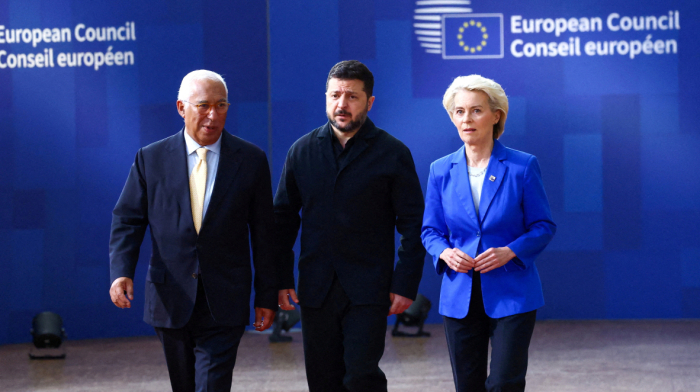
Azerbaijani President Ilham Aliyev and German President Frank-Walter Steinmeier have discussed a number of regional developments, transport connectivi...
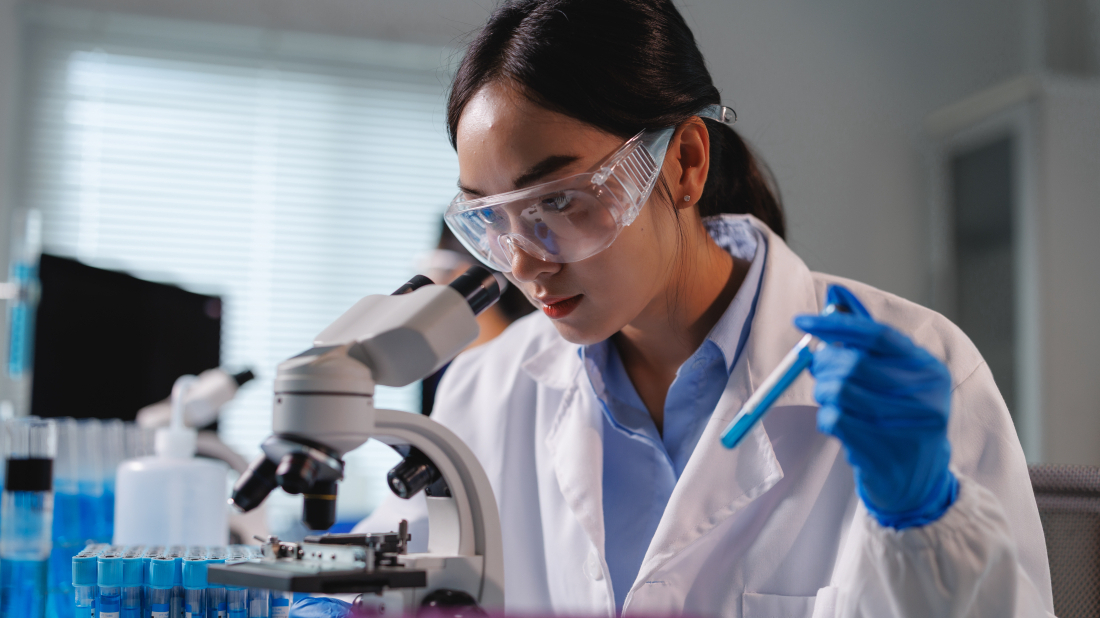
Swiss researchers are developing biocomputers made from living cells, aiming to merge biology and computing in an energy-efficient system once confined to science fiction.
According to a BBC report, scientists are working toward creating data centres powered by living servers that can replicate artificial intelligence functions while consuming far less energy. The effort marks the rise of “wetware” – a biological complement to hardware and software.
One of the leaders in this field is Fred Jordan, co-founder of the FinalSpark laboratory, who said the project challenges how humans understand their own brains. “When you start to say, ‘I am going to use a neuron like a little machine,’ it gives you a different view of our own brain and makes you question what we are,” Jordan said, adding that the concept of biocomputers still feels like science fiction.
The process begins by obtaining stem cells from human skin cells, which are cultured and developed into small brain-like spheres called organoids. While these organoids are far less complex than the human brain, they share its essential components.
After months of development, the organoids are connected to electrodes and trained to respond to simple keyboard commands. When stimulated, they produce small electrical spikes that appear as activity traces on a computer screen, confirming that data transmission and reception are possible.
Researchers aim to strengthen the learning ability and responsiveness of these living neural systems. Jordan said the ultimate goal mirrors artificial intelligence: “You give some input, you want some output that is used. For instance, you give a picture of a cat, you want the output to say if it’s a cat.”

Start your day informed with AnewZ Morning Brief. Here are the top news stories for the 20th July, covering the latest developments you need to know.
At least six people were killed and 21 others injured after two earthquakes struck Peru's central Junín region, destroying dozens of homes and triggering a major emergency response.
Kylian Mbappé has become the first player to win the FIFA World Cup Golden Boot on more than one occasion. The French forward won the award presented to the top goalscorer of the tournament for the second time, despite France being knocked out in the semi-finals.
The United States launched fresh strikes against Iran after two U.S. service members were killed in Jordan. U.S. President Donald Trump paid tribute to the fallen troops as Iran warned of further escalation.
Overnight U.S. strikes caused blackouts in southwestern Iran and hit the northwestern city of Tabriz for the first time. Separately, a U.S. soldier died in northern Iraq during a controlled detonation of an unexploded Iranian drone.
More than 1,100 companies are presenting their latest artificial intelligence technologies at the 2026 World AI Conference (WAIC) in Shanghai, where innovation, international cooperation and AI governance are taking centre stage.
A humanoid robot demonstrated its ability to prepare regional dishes during a live cooking show in northwest China’s Xinjiang Uygur Autonomous Region, highlighting advances in embodied artificial intelligence (AI) and dexterous robotics.
Following major layoffs in May, when Meta Platforms cut 10 per cent of its global workforce, 26 former employees have filed a lawsuit accusing the tech giant of using AI-powered software that unfairly targeted people with disabilities and those who took medical or family leave.
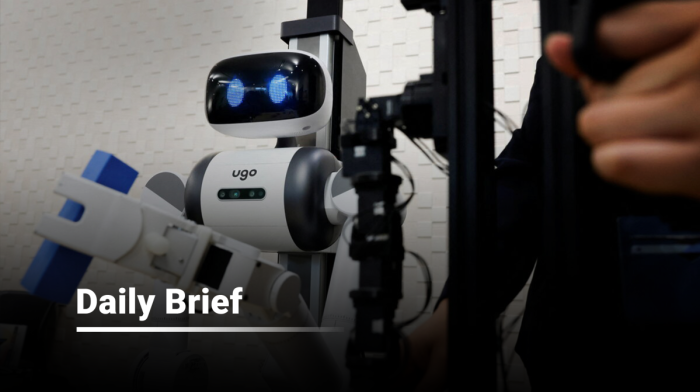
A team of South Korean and U.S. researchers has developed a robotic system that allows people to put on clothing without using their hands or needing help from someone else.
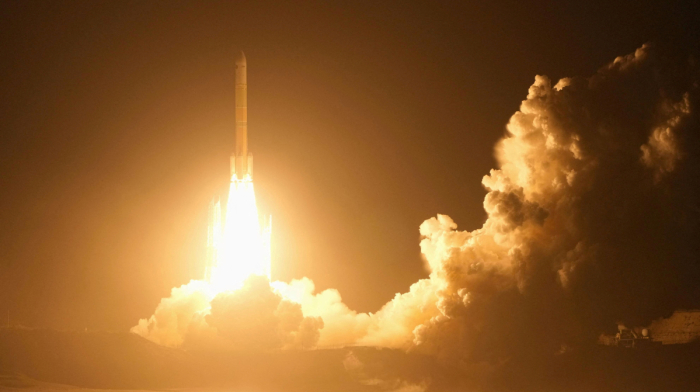
A Russian Soyuz spacecraft carrying two Russian cosmonauts and one U.S. astronaut successfully docked with the International Space Station (ISS) on Tuesday, highlighting continued U.S.-Russian cooperation in space despite wider geopolitical tensions.
You can download the AnewZ application from Play Store and the App Store.
What is your opinion on this topic?
Leave the first comment