UK MPs reject social media ban for under-16s despite pressure
British MPs have rejected a proposal to introduce an Australia-style ban on social media for under-16s, opting ins...
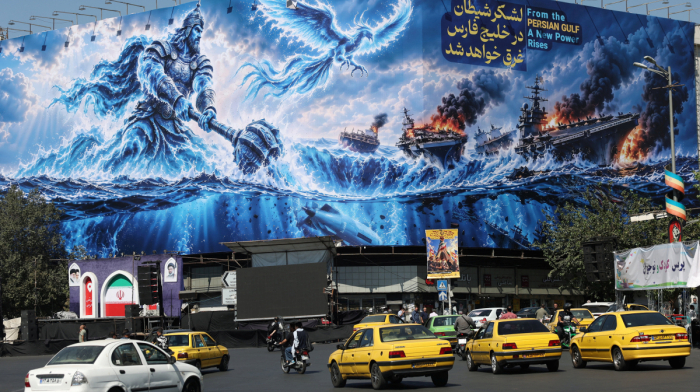
Iran has pulled out of nuclear talks with the United States after Israeli airstrikes on its military and nuclear sites, triggering a wave of missile attacks and raising fears of a wider regional conflict.
Iran announced on Friday its decision to withdraw from nuclear negotiations with the United States, following a wave of Israeli strikes on its military and nuclear infrastructure.
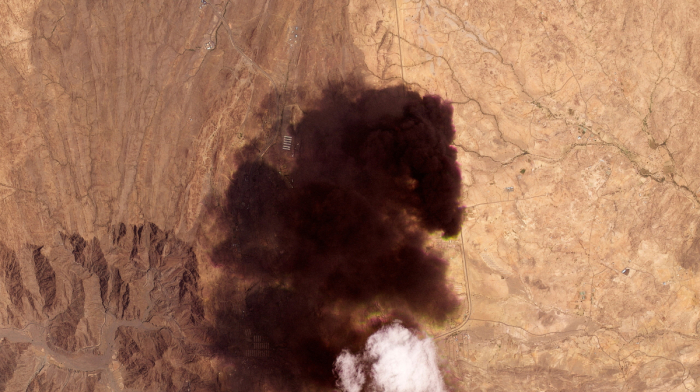
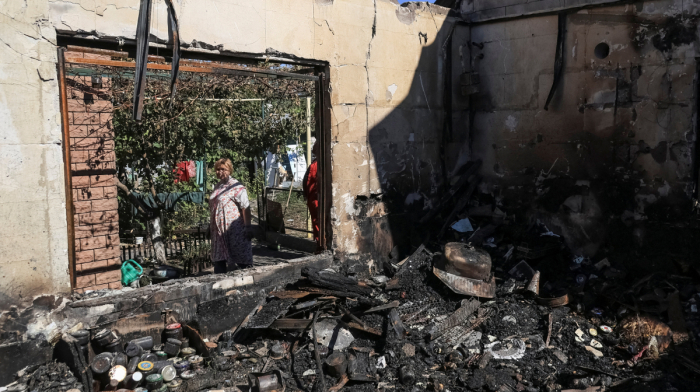
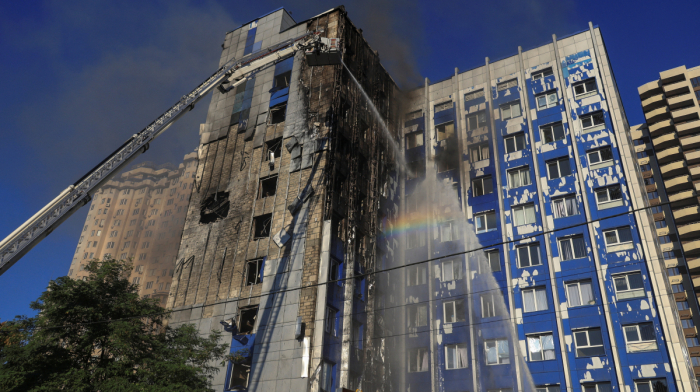
Earlier that day, Israel launched what it termed a "preemptive strike," targeting key nuclear facilities, senior military officials, and scientific personnel in a move that marked a sharp escalation in hostilities with Tehran.
In response, Iran’s Supreme Leader Ayatollah Ali Khamenei vowed retaliation, declaring that the Iranian armed forces would ensure Israel “suffers greatly.” By Friday night, Iran had launched dozens of missiles toward Israeli territory.
United Nations Secretary-General António Guterres called on all involved parties to seek a political resolution to the crisis, according to a spokesperson for his office.
The now-cancelled sixth round of indirect nuclear talks between Tehran and Washington had been scheduled for Sunday in Muscat, Oman.
Since April, Oman has facilitated five rounds of indirect negotiations between Iran and the United States—three held in Muscat and two in Rome—focused on curbing Iran’s nuclear activities and easing U.S. sanctions.

Mojtaba Khamenei, son of the late Ayatollah Ali Khamenei, is a hardline cleric with strong backing from the Islamic Revolutionary Guard Corps. His rise signals continuity in Tehran's anti-Western policies.
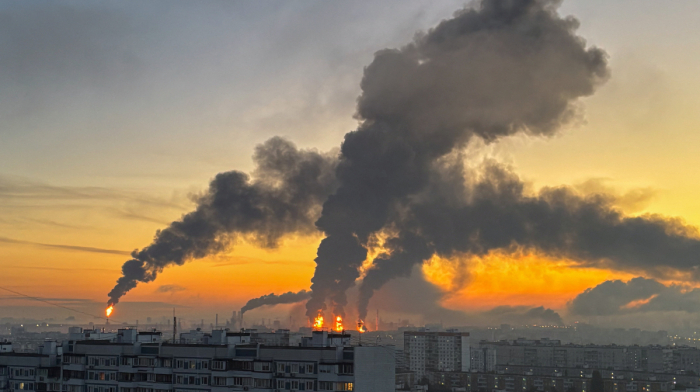
Global oil prices surpassed $119 a barrel on Monday (9 March, 2026), an almost four year high, as the Middle East conflict rumbled on.
China has urged Afghanistan and Pakistan to resolve their dispute through dialogue after Chinese envoy Yue Xiaoyong met Afghan Foreign Minister Amir Khan Muttaqi, as fighting between the two neighbours entered its eleventh day.
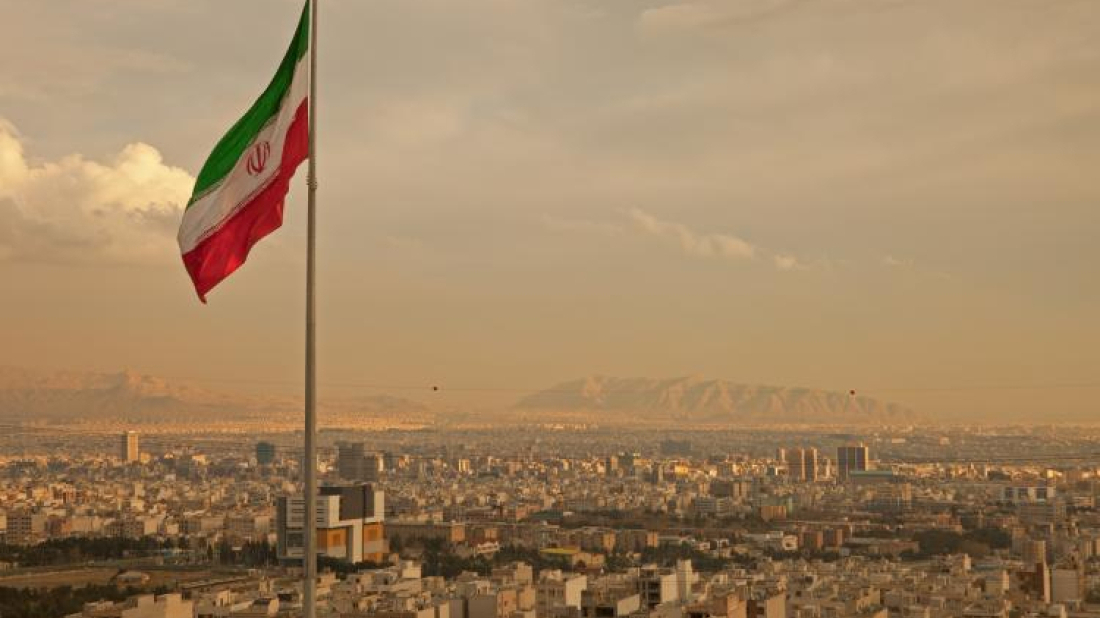
Iran named Mojtaba Khamenei to succeed his father Ali Khamenei as supreme leader on Monday (9 March), signaling that hardliners remain firmly in charge, as the week-old U.S.-Israeli war with Iran pushed oil above $100 a barrel.
Entry and exit across the state border between Azerbaijan and Iran for all types of cargo vehicles, including those in transit, will resume on 9 March, according to a statement by the Cabinet of Ministers of Azerbaijan.
British MPs have rejected a proposal to introduce an Australia-style ban on social media for under-16s, opting instead to give ministers flexible powers to impose restrictions on platforms.
Australia has granted humanitarian visas to five Iranian women footballers who sought asylum, fearing persecution after refusing to sing their national anthem at an Asia Cup match.
Start your day informed with AnewZ Morning Brief. Here are the top news stories for the 10th of March, covering the latest developments you need to know.
U.S. President Donald Trump called his recent phone conversation with Russian President Vladimir Putin “very good.” The two leaders spoke on Monday about the situation in Iran and other international issues.
Welcome to our live coverage as the conflict involving Iran enters its 11th day. Tensions in the region remain high as the United States and Iran exchange increasingly sharp warnings over the strategic Strait of Hormuz, a critical artery for global oil supplies.
You can download the AnewZ application from Play Store and the App Store.
What is your opinion on this topic?
Leave the first comment