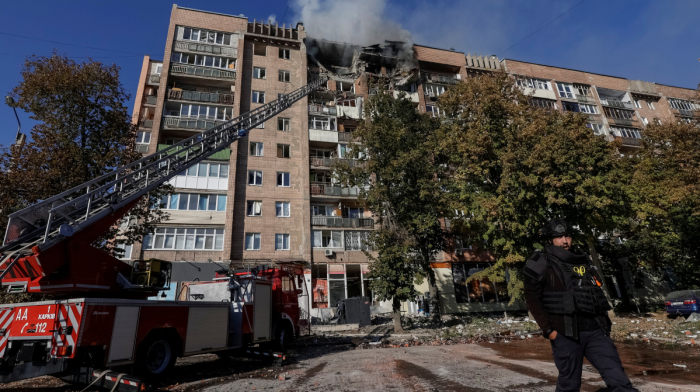
live Russian drone attack kills three children and a woman in Kyiv region
The death toll from an overnight Russian attack on the Kyiv region rose to four, including three children, Kyiv regional authorities said on Sunday...
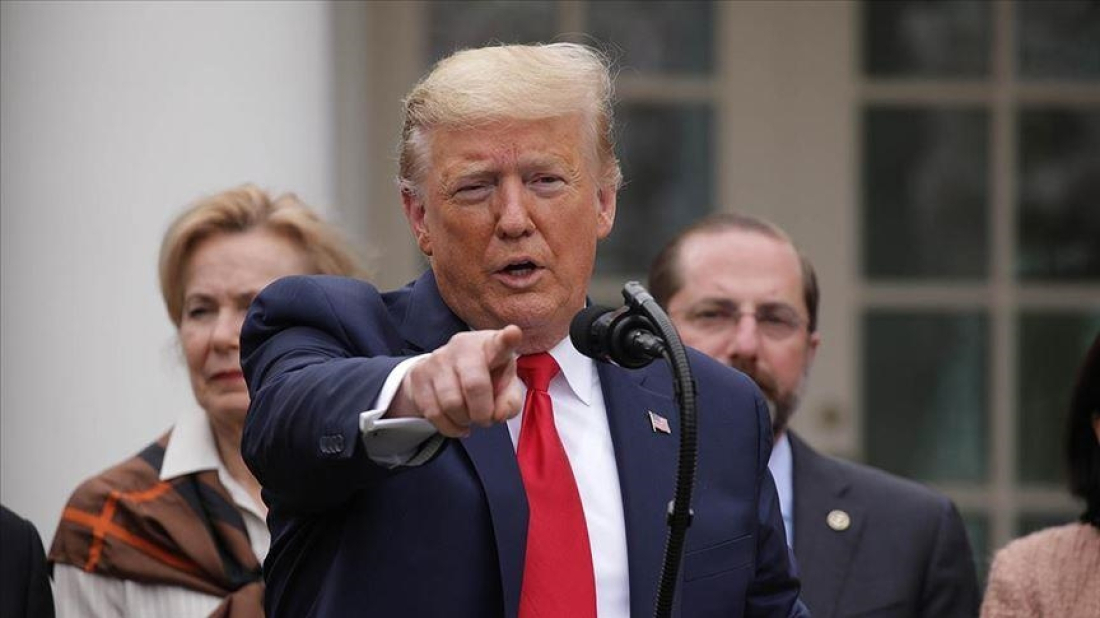
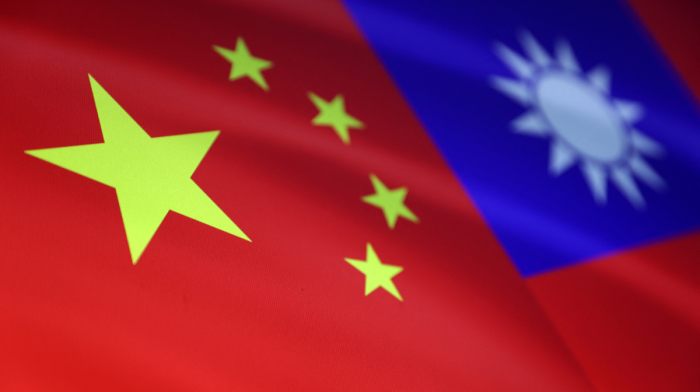
U.S. President Donald Trump said on Friday that the United States would impose 100% tariffs on Chinese goods and restrict the export of “critical software” following China’s announcement of new rare earth export controls.
Trump wrote on his social media platform Truth Social that, starting 1 November, the U.S. would apply a 100% tariff on China in addition to existing duties. He also confirmed that export controls would be imposed on all critical software.
Earlier, Trump criticised Beijing’s move and suggested that there was now “no reason” to go ahead with a planned meeting with Chinese President Xi Jinping on the sidelines of the APEC summit in South Korea later this month.
China announced the new rare earth export restrictions on Thursday. The measures cover processing and manufacturing technologies and prohibit cooperation with foreign companies without prior government authorisation.
The Commerce Ministry said the restrictions aim to safeguard national security and interests by controlling the export of technologies related to rare earths, including mining, smelting and separation, magnetic material production, and the recycling of secondary resources.
The move follows broader controls introduced by Beijing in April, which caused global shortages, though shipments resumed following new agreements with Europe and the U.S.

Iran's Revolutionary Guards Navy said a Togo-flagged oil tanker was struck while attempting to make an “illegal passage” through the Strait of Hormuz, Iranian state media said early on Friday.
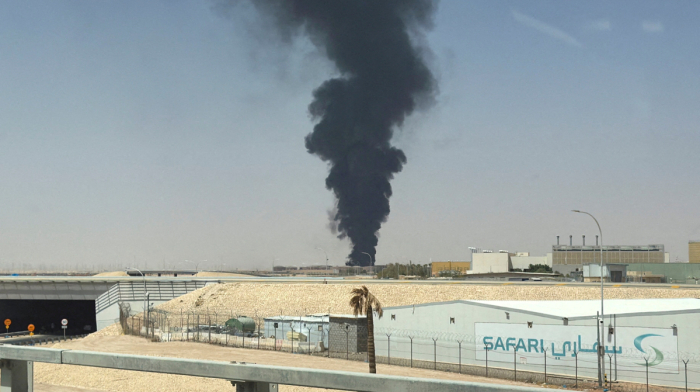
Saudi civil defence sent an all-clear on Saturday after issuing alerts for a second time for potential danger in Riyadh and the city of Al-Kharj east of the capital, amid an uptick in attacks by Iran-aligned Houthis on the Gulf country.
The European Union will disburse €3.3 billion ($3.8 billion) to Ukraine for missiles and drones, European Commission President Ursula von der Leyen said after a phone call with Ukrainian President Volodymyr Zelenskyy.
Houthi attacks target Riyadh amid concerns over Saudi oil supplies, as Iran says it will not reopen the Strait of Hormuz until its conditions are met and U.S. commitments are implemented, parliament speaker Mohammad Bagher Ghalibaf said on Sunday.
The U.S. State Department approved a $2.7 billion military sale to Ukraine for air-defence development upgrades, along with related equipment and services, the department said. Meanwhile, Ukrainian authorities reported at least 10 people had died in Russian attacks over the last 24 hours.
German voters cast ballots on Sunday in two state elections that could add to the political pressure on Chancellor Friedrich Merz, as his government faces growing public frustration and a resurgent far right.
Iraq has returned restricted airspace across the western part of the country to civilian authorities, ending limits imposed for military operations against Islamic State since 2016, the Transport Ministry said.
Denmark and Greenland have moved to reassure the public that their sovereignty will remain intact under a new security agreement with the United States.
World leaders are set to gather at the United Nations General Assembly in New York for several days of high-level debate, with Iran, Ukraine, artificial intelligence (AI) and a range of global crises expected to dominate discussions this week.
Ed Sheeran has broken his silence on the controversy surrounding his U.S. tour, apologising for decisions made after rapper Macklemore was removed from the line-up over his public support for Palestine.
You can download the AnewZ application from Play Store and the App Store.
What is your opinion on this topic?
Leave the first comment