Iran on Saturday strongly criticised U.S. President Donald Trump's recently announced travel ban, calling it a demonstration of "deep hostility" towards Iranians and Muslims and a violation of international law.
The ban, set to take effect on Monday, will bar citizens from 12 countries, including the Islamic Republic, from entering the United States.
A senior Iranian foreign ministry official stated in a ministry statement shared on the X social media platform, "The decision to ban the entry of Iranian nationals - merely due to their religion and nationality - not only indicates the deep hostility of American decision-makers towards the Iranian people and Muslims but also violates... international law." This condemnation underscores Tehran's view that the policy is discriminatory and unjust, targeting individuals based solely on their origin and religious affiliation rather than any individual security risk.
The proclamation, issued by President Trump on Wednesday, targets citizens from Afghanistan, Myanmar, Chad, Congo Republic, Equatorial Guinea, Eritrea, Haiti, Iran, Libya, Somalia, Sudan, and Yemen. This broad list encompasses nations across Africa, the Middle East, and Asia, raising concerns among human rights organisations about its potential impact on families, students, and legitimate travellers. Critics argue that such blanket bans are ineffective in enhancing security and instead fuel xenophobia and religious animosity.
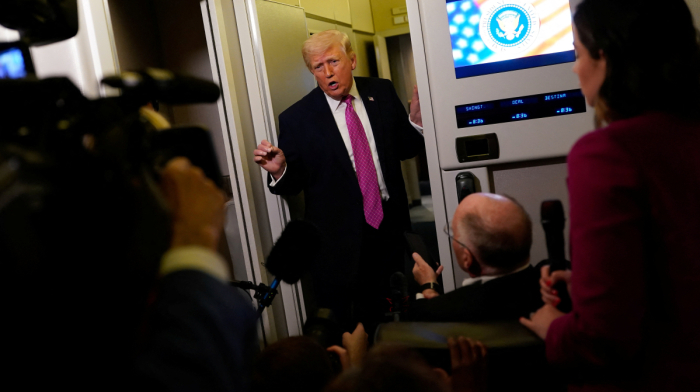
President Trump has justified the ban as a necessary measure to protect against "foreign terrorists," asserting that these countries present elevated risks to U.S. national security. However, this move echoes a similar travel restriction he imposed during his first term in office (2017-2021), which barred travellers from seven Muslim-majority nations. That previous ban sparked widespread protests and legal challenges, leading to modifications before being upheld by the Supreme Court. The latest iteration suggests a continued commitment to these stringent immigration policies, which are often framed by the administration as vital for homeland security.
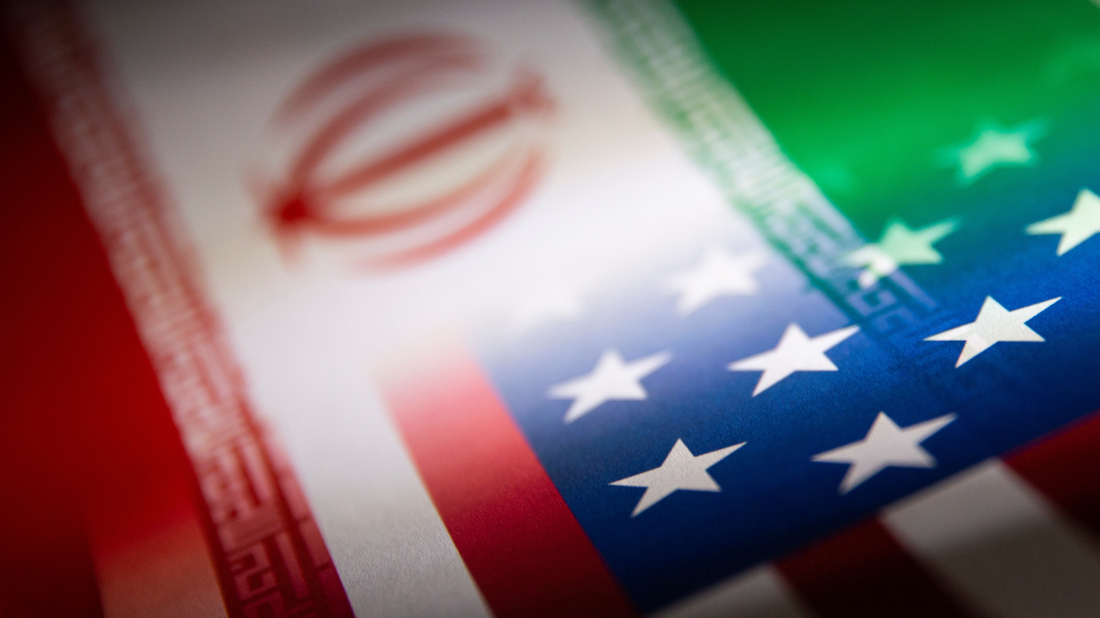
The reintroduction of such a comprehensive travel ban is expected to exacerbate already strained relations between Washington and Tehran, particularly amidst ongoing tensions over Iran's nuclear program and regional influence. For Iran, the ban is seen as another act of aggression and economic pressure, further isolating its citizens from the international community.



















What is your opinion on this topic?
Leave the first comment