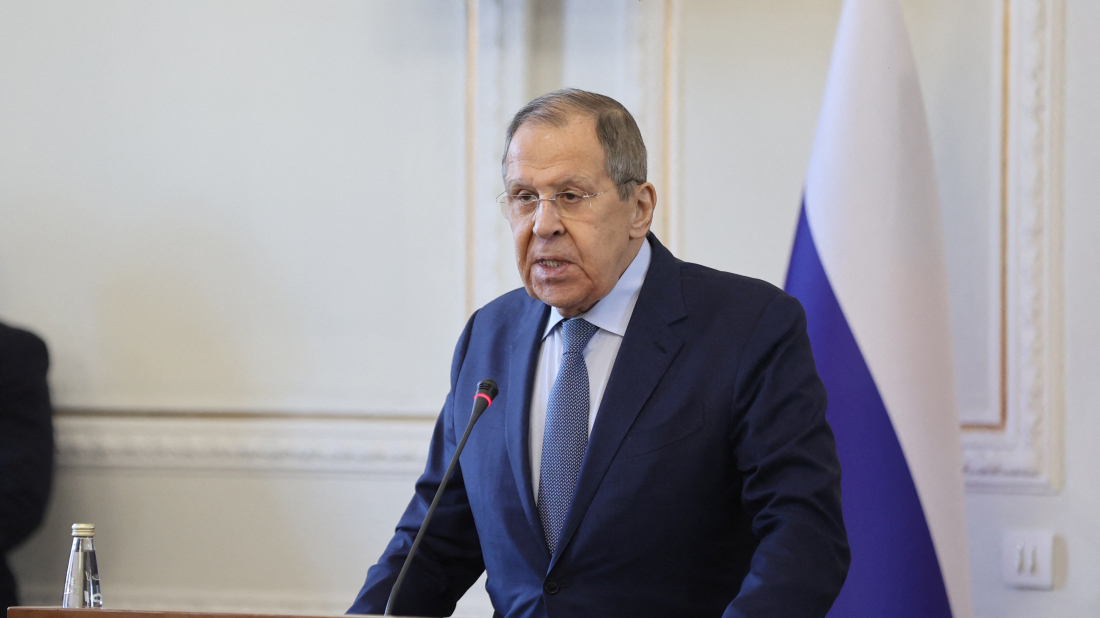
Russian Foreign Minister Sergey Lavrov confirmed Friday that preparations are underway for a second round of direct talks between Russia and Ukraine, building on the momentum of the May 16 peace negotiations in Istanbul.
He stated that Russia’s draft memorandum of peace is at an “advanced stage” and will be presented to Ukraine in the upcoming round, regardless of further developments on the ground.
Speaking at a diplomatic conference in Moscow, Lavrov welcomed Ukraine’s confirmation of participation in the next meeting, calling it a “positive development” in a conflict that has dragged on for over three years.
“We are finalizing the draft of our peace memorandum,” Lavrov said. “Our objective remains the same — to secure long-term guarantees for Russian-speaking populations and address the systemic issues fueling this conflict.”
Venue Speculation and Vatican Rejection
While speculation swirled over potential venues for the next meeting, the Vatican was ruled out by Lavrov, who said it would be “unrealistic” for two Orthodox-majority nations to resolve critical matters on a Catholic platform. He described such a setting as “inappropriate”, although the Kremlin has yet to announce a confirmed venue, stating it will do so “in due time.”
Background: Progress in Istanbul
The first round of renewed peace talks was held in Istanbul on May 16, 2025, marking the first direct diplomatic engagement between Moscow and Kyiv in more than three years. That meeting produced a significant prisoner exchange deal involving 1,000 detainees from each side, and a draft framework for a potential ceasefire was introduced.
Russia’s Conditions and Firm Stance
Lavrov made clear that Russia will not accept a simple ceasefire unless it addresses what Moscow considers the root causes of the conflict. He reiterated demands for the revocation of Ukrainian laws that Russia claims discriminate against Russian-speaking communities, and said Russia will not allow those populations to remain under the governance of what he described as the “Zelenskyy junta.”
“Peace must mean security, dignity, and cultural rights for all Russian-speaking citizens of Ukraine,” Lavrov said.
Outlook
The forthcoming second round of talks represents a significant step in the ongoing diplomatic process, but deep disagreements remain, particularly over the status of Ukraine’s internal policies, territorial integrity, and security guarantees. With both sides under mounting domestic and international pressure, the direction of the talks may determine whether the conflict moves closer to a negotiated resolution — or a prolonged stalemate.











What is your opinion on this topic?
Leave the first comment