EU weighs defence and governance reforms amid geopolitical pressures
As global diplomatic dynamics continue to evolve, the European Union is reassessing its ability to respond effectively to major international developm...
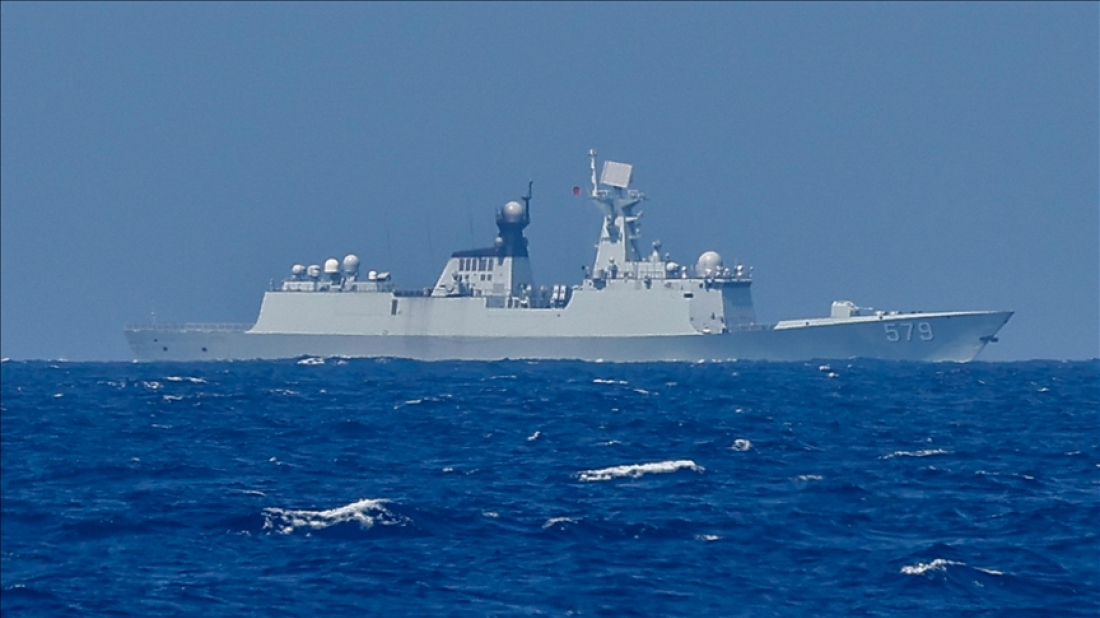
China has announced that it has taken control of Sandy Cay reef, a disputed landform in the South China Sea, located just a few kilometers from a key Philippine military outpost. The reef, which China refers to as Tiexian Jiao, is also claimed by Taiwan, Vietnam, and the Philippines.
According to China's state broadcaster CCTV, Chinese Coast Guard officers landed on the uninhabited reef earlier this month to enforce maritime management and exercise sovereign jurisdiction. Images released by CCTV showed officers unfurling the Chinese flag during the operation, which was framed as an assertion of sovereignty over the area. CCTV also reported that the Chinese Coast Guard conducted an "inspection" and collected video evidence to counter what they termed "illegal activities" by the Philippines in the region.
The move comes as the Philippines is engaged in joint military drills with the United States, which China has criticized as destabilizing for the region. While the Chinese Coast Guard reportedly left after unfurling the flag, suggesting that the occupation was not permanent, it has still fueled further tensions.
In response, Philippine security forces launched an operation on Sunday to reinforce the country's control over several small islands near Thitu Island, located a short distance from Sandy Cay. According to the Manila Times, the Philippine National Task Force emphasized that the operation reflected the country's "unwavering dedication and commitment" to protecting its sovereignty and rights in the South China Sea. It also reiterated the Philippines' commitment to a "rules-based international order" and a peaceful resolution of disputes.
Both China and the Philippines have been engaged in a months-long confrontation over the contested waters, with accusations from both sides about the environmental damage caused by activities in the region. China's claims in the South China Sea have sparked tensions, as it asserts control over nearly the entire area, despite competing claims from other nations.

Azerbaijan's Foreign Ministry says 19 citizens have been repatriated following a deadly drone attack on two cargo ships in the Sea of Azov on 5 June.
A Sudanese man has been arrested over a knife attack in Belfast that left a man seriously injured and prompted calls online for a protest after footage of the incident circulated widely on social media.
Iran and Israel said on Monday (8 June) they had halted attacks on each other following an appeal from U.S. President Donald Trump, as Axios reported that Trump had privately told Benjamin Netanyahu “be careful, or you will be on your own very soon”.
Ukraine's military said it struck a Russian "shadow fleet" tanker in the Black Sea as part of ongoing efforts to disrupt Moscow's energy and logistics networks. The move underscores Kyiv's focus on targeting maritime assets it says are used to bypass sanctions on Russian oil exports.
Armenia’s parliamentary election has strengthened Prime Minister Nikol Pashinyan’s mandate, with analysts linking the result to his post-Garabagh agenda and pro-Western direction. However, constitutional constraints remain a key obstacle to peace efforts with Azerbaijan.
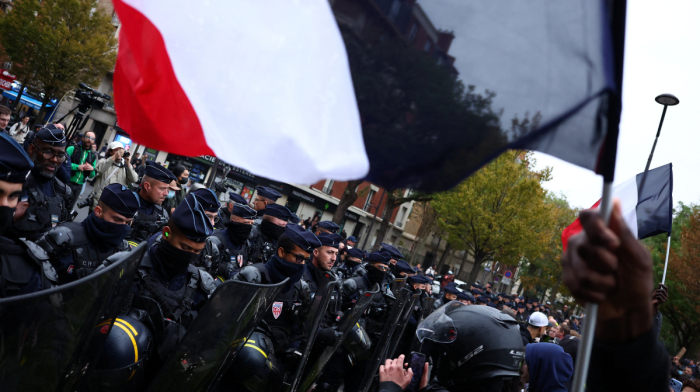
As global diplomatic dynamics continue to evolve, the European Union is reassessing its ability to respond effectively to major international developments, prompting renewed debate over defence coordination, foreign policy decision-making and institutional reform.
The FIFA World Cup 2026 is set to be one of a kind when it kicks off on 11 June, as it brings with it a slew of firsts ahead of co-hosts Mexico taking on South Africa in the opening match.
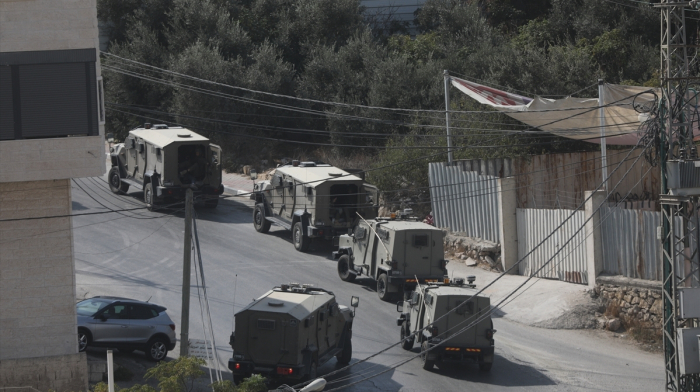
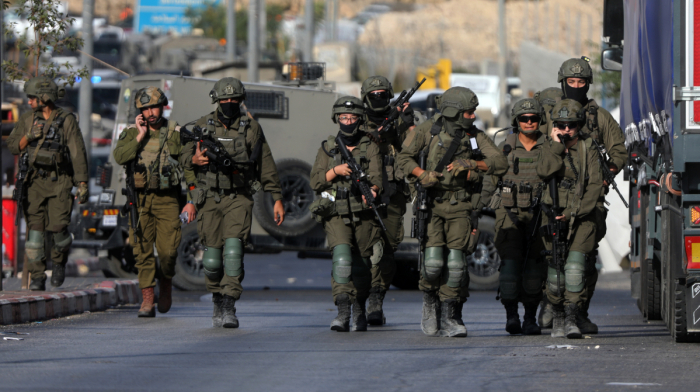
Turkish President Recep Tayyip Erdoğan has warned that Israel’s military operations in Syria and Lebanon have escalated to a point where they could threaten Türkiye, describing Israel’s actions as “aggression” that poses a broader global risk.
More than 1,300 migrants died or went missing while attempting to reach Spain between January and May 2026, according to Spanish NGO Caminando Fronteras, highlighting the continuing dangers of one of the world's deadliest migration corridors.
Rescuers searched the rubble of a collapsed building in the southern Philippine city of General Santos on Tuesday after a powerful earthquake killed at least 37 people and injured hundreds across the country.
You can download the AnewZ application from Play Store and the App Store.
What is your opinion on this topic?
Leave the first comment