China's emissions data shows bigger drop than previously reported
China’s carbon emissions grew far less than previously thought over the past five years, according to a new analysis that is drawing close attention...
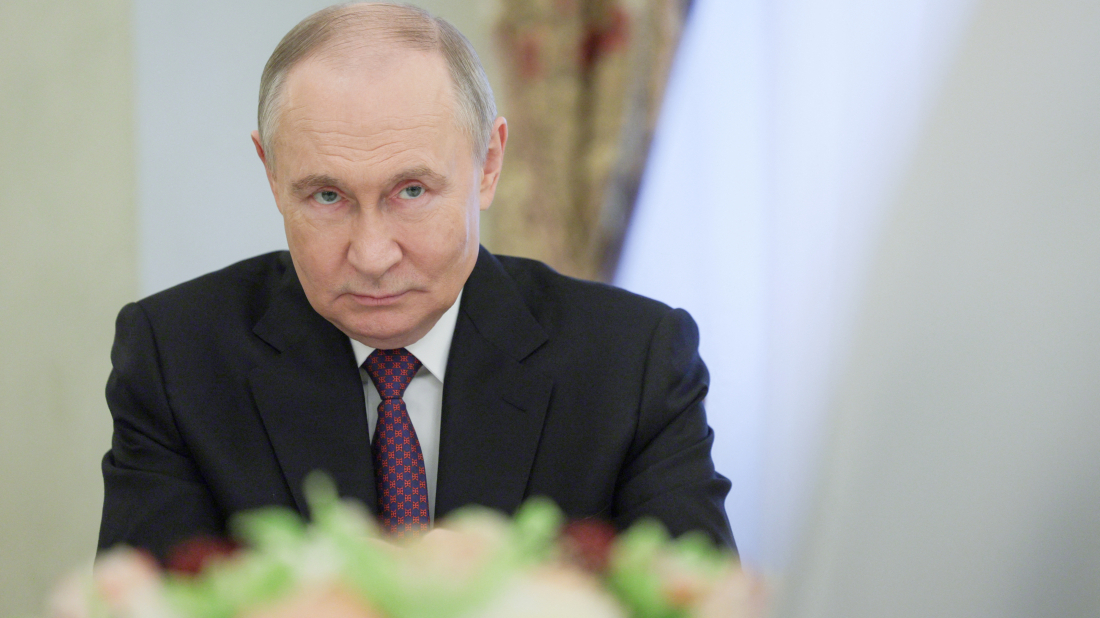
Russian President Vladimir Putin has reportedly suggested halting his invasion at current front-line positions as part of a peace initiative with U.S. President Donald Trump.
The potential proposal would see Moscow withdraw its claims to areas of four Ukrainian regions still under Kyiv’s control. This marks the first formal signal in years that Putin may consider scaling back Russia’s territorial ambitions in Ukraine. However, European officials remain cautious, warning that such overtures may be a negotiating tactic rather than a genuine concession.
The U.S. has also floated its own framework for a settlement. Reports suggest Washington might recognize Russia’s 2014 annexation of Crimea and acknowledge Moscow’s de facto control over parts of four Ukrainian regions. At the same time, Kyiv would pledge not to retake these territories by force. International peacekeeping forces could be deployed to monitor a demilitarized zone spanning the front line, while a non-NATO military presence could help maintain a fragile armistice.
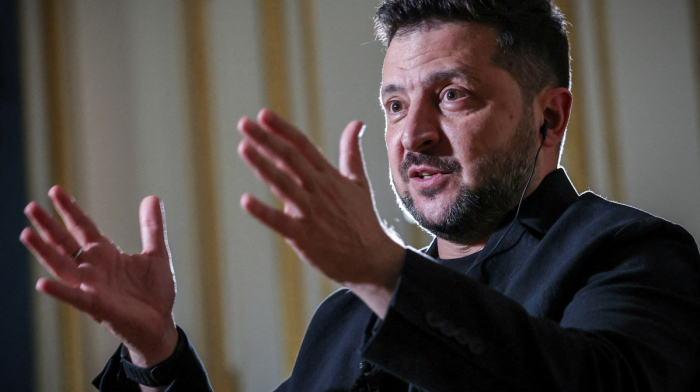
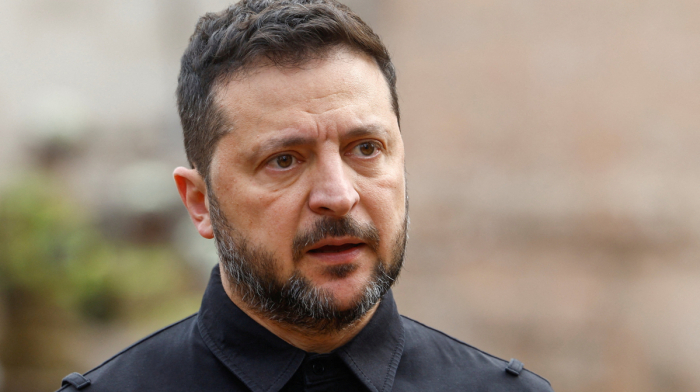
In Kyiv, Ukrainian President Volodymyr Zelenskyy reaffirmed that his country would not recognize Russia’s claims over Crimea. He noted that while there are discussions and signals from Washington, no formal proposals have been received. “If an official proposition came,” Zelenskyy said, “we will answer.”
As negotiations unfold, U.S. Secretary of State Marco Rubio has pulled out of upcoming talks in London, leaving envoy Keith Kellogg to represent Washington. Despite the uncertainty, both Trump and Putin have expressed a desire to reach an agreement soon, with Trump posting on social media that he hoped a deal could be struck within the week. Both Kyiv and Moscow have deep-seated conditions that will test any proposed compromise.

Start your day informed with the AnewZ Morning Brief. Here are the top stories for 26 May, covering the latest developments you need to know.
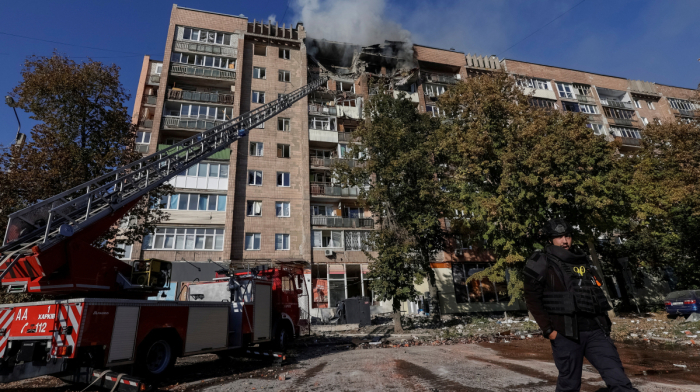
Dozens of people were killed in Israeli strikes on Lebanon on Tuesday, Lebanese officials said, straining a fragile ceasefire agreed between the countries in April. The attacks came as Iran accused the U.S. of violating a separate ceasefire with strikes near the Strait of Hormuz.
Chinese investigators have uncovered hidden tunnels, missing worker trackers and fake underground walls during an initial investigation into the country’s deadliest mining disaster in more than 15 years.
The new AnewZ documentary, TARGET: Yerevan, builds its explosive case on exclusive, secret recordings originally published by Minval Politika.
The visit by U.S. Secretary of State Marco Rubio to Armenia marks one of the clearest signs yet of Washington’s growing interest in the South Caucasus.
China’s carbon emissions grew far less than previously thought over the past five years, according to a new analysis that is drawing close attention from climate researchers worldwide.
Bolivia’s President Rodrigo Paz has taken steps towards potentially declaring a state of emergency as anti-government protests intensify in the early months of his administration.
Norway is set to come under France’s nuclear umbrella, marking a significant shift in European security arrangements as concerns grow over the United States’ long-term commitment to the region.
Britain has announced fresh sanctions targeting cryptocurrency exchanges, financial networks and banks accused of helping Russia evade Western restrictions imposed after the invasion of Ukraine.
Muslims around the world have marked Eid al-Adha with prayers, celebrations and acts of charity, though for many Palestinians the holiday unfolded amid conflict, restrictions and loss.
You can download the AnewZ application from Play Store and the App Store.
What is your opinion on this topic?
Leave the first comment