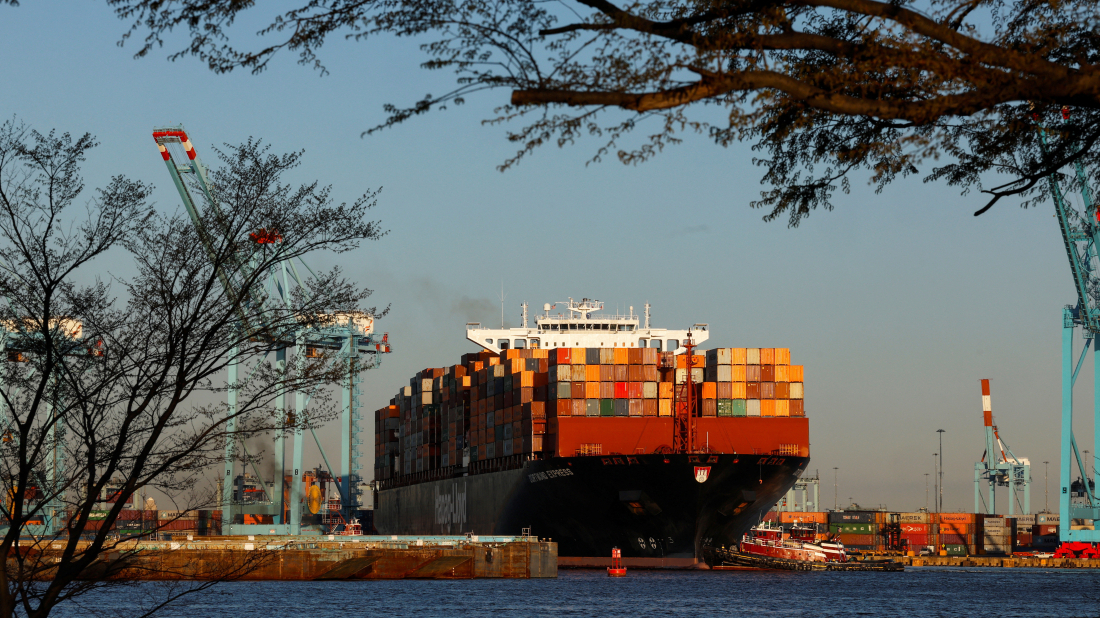
Fewer than 20 ships transited key Strait of Hormuz over weekend
Only four commodity vessels crossed the Strait of Hormuz on Sunday, following 13 transits a day earlier, as disruptions continue to restrict traffi...
Sweeping tariffs under U.S. President Donald Trump and countermeasures could have a "catastrophic" impact on developing countries, hitting even harder than foreign aid cuts, the director of the United Nation's trade agency said on Friday.
Global trade could shrink by 3-7% and global gross domestic product by 0.7%, with developing countries the worst affected, the International Trade Centre said.
"It is huge," Pamela Coke-Hamilton, executive director of the International Trade Centre, told Reuters. "If this escalation between China and the U.S. continues it will result in an 80% reduction in trade between the countries, and the ripple effect of that across the board can be catastrophic."
Global markets continued to face turmoil on Friday, after Trump announced a 90-day tariff pause on dozens of countries, while ratcheting up tariffs on Chinese imports, raising them effectively to 145% when levies imposed earlier this year are taken into account.
China has been raising its tariffs on the U.S. with each Trump increase, raising fears that Beijing may jack up tariffs above the current 84%.
"Tariffs could have a much more harmful impact than the removal of foreign aid," Coke-Hamilton said, warning that developing economies risk sliding back on the economic gains they made in recent years.
The International Trade Centre's projections are based on data it gathered that do not reflect the 90-day pause or levy hike on China to 125% and its subsequent 84% hike on U.S. goods.

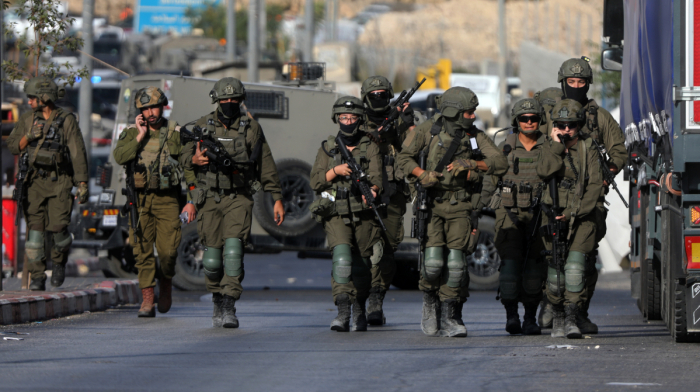
Iran on Saturday denounced U.S. plans to announce new sanctions that could put further strain on the Islamic Republic's economy and have an impact on its most important trading partners including China.
A large-scale drone attack has hit Russia's Samara region, damaging facilities and disrupting operations at an Ozon logistics complex, according to regional authorities and the company.
Ukrainian President Volodymyr Zelenskyy has rejected calls for a wartime election, arguing that holding a vote while Russia's full-scale invasion continues would divide the country and undermine national unity.
Azerbaijan and Uzbekistan have elevated bilateral ties with a Treaty on Eternal Friendship signed by Presidents Ilham Aliyev and Shavkat Mirziyoyev in Tashkent on 23 August. The leaders also agreed to expand trade, investment, transport, and regional cooperation.
Start your day informed with AnewZ Morning Brief. Here are the top news stories for the 22nd of August, covering the latest developments.
New Zealand Prime Minister Christopher Luxon said on Monday that his party will introduce a bill to ban children under 16 from using social media. The proposal would allow fines of up to 10 per cent of a platform’s global revenue for non-compliance.
Russia reported a major fire at an Ozon logistics hub in Krasnodar after a drone attack on Monday, while Ukraine’s President Volodymyr Zelenskyy denied Kyiv’s official involvement in the Nord Stream 2 pipeline blasts.
Icelanders will vote on Saturday, 29 August, on whether to begin negotiations with the European Union, in a referendum that could reopen the country’s long-debated membership question.
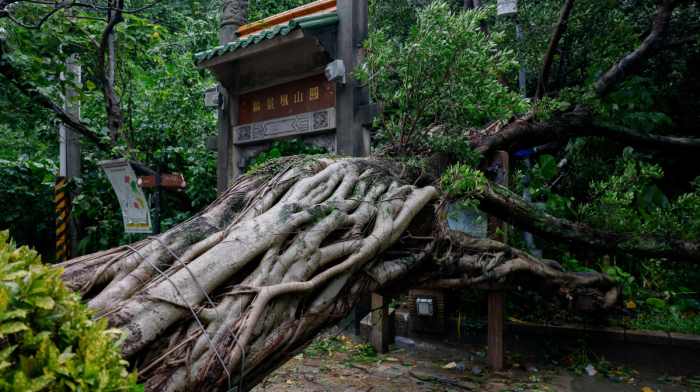
At least 30 people have been killed after a massive landfill collapsed onto homes in Guinea's capital, Conakry, following heavy overnight rainfall that triggered a deadly landslide of waste in one of the city's densely populated districts.
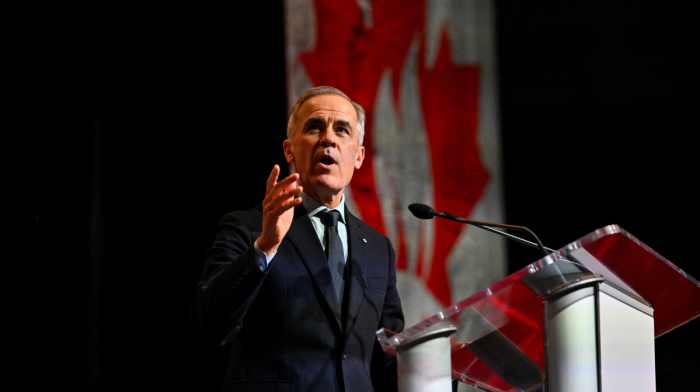
Canada has rejected a proposed trade agreement with the United States after negotiations broke down over what Ottawa described as a series of last-minute demands that would have disproportionately favoured Washington and undermined Canadian economic interests.
You can download the AnewZ application from Play Store and the App Store.
What is your opinion on this topic?
Leave the first comment