In its flagship 2025 Global Outlook report, released at the WFP's Rome headquarters, the agency said that at least 343 million people across 74 countries are currently facing acute food insecurity, marking a 10% increase compared to last year.
Some 16.9 billion U.S. dollars will be needed to help people in the world who need the most urgent humanitarian food assistance in 2025, the United Nations World Food Program (WFP) said on Friday 23 November.
In its flagship 2025 Global Outlook report, released at the WFP's Rome headquarters, the agency said that at least 343 million people across 74 countries are currently facing acute food insecurity, marking a 10% increase compared to last year.
The country contexts in which WFP operates are becoming more complex, making reaching people in need more difficult and costly, says the report.
The shortfalls in funding raised in 2024 have already forced the WFP to scale back its activities this year, often leaving some of the most vulnerable behind, according to the report.
The report projects that in 2025, approximately 16.9 billion U.S. dollars will be needed to provide assistance to 123 million people in hunger.
WFP Executive Director Cindy McCain stressed that global humanitarian needs are rising, fueled by devastating conflicts, more frequent climate disasters, and extensive economic turmoil, demanding financial and diplomatic support from the international community.
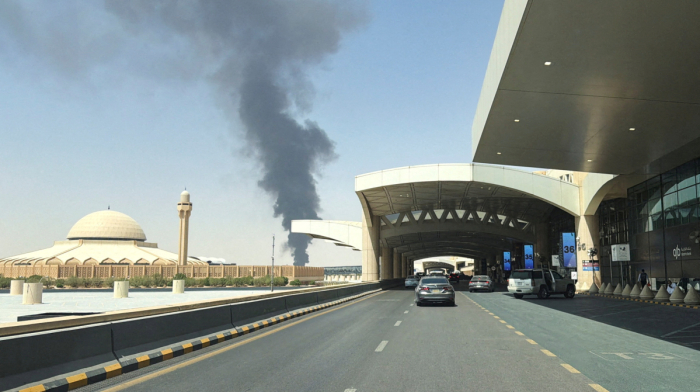
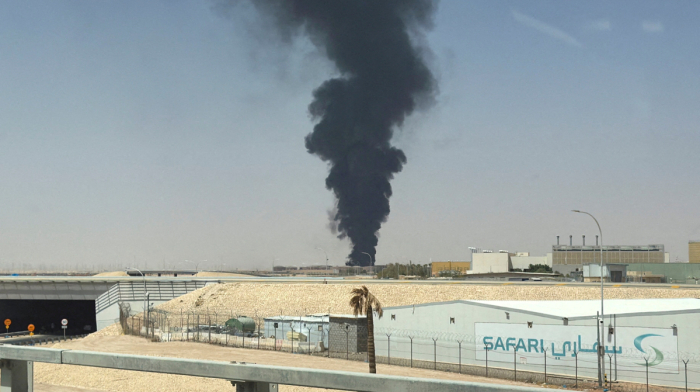
The explosion at King Khalid International Airport in Riyadh on Saturday afternoon killed at least 12 people and injured a further 309, according to Saudi Arabia’s Civil Aviation Authority. The airport remains closed until further notice.
Yemen's Houthis renewed warning to airlines, airport workers, and travellers against using Saudi airports, saying the warning should be taken seriously and that the kingdom “bore responsibility for failed interceptions”, a day after an attack on Riyadh's international airport that killed 12 people.
One person was killed and nearly a dozen hurt in a new attack Riyadh's international airport on Sunday, Saudi authorities reported, a day after a strike claimed by Yemen's Houthis that killed 13 people and wounded more than 300.
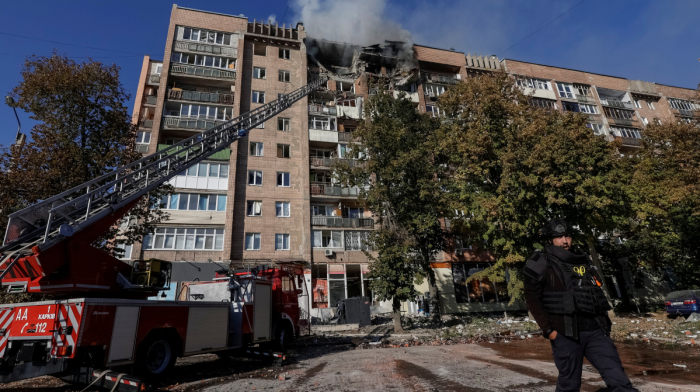
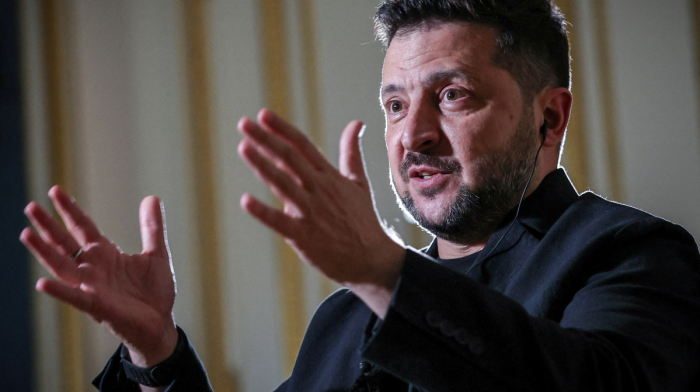
Ukraine is ready to stop attacks on Russian oil refineries if Moscow also halts strikes on Ukrainian energy infrastructure, President Volodymyr Zelenskyy said on Sunday.
Russia has violated an energy ceasefire announced by U.S. President Donald Trump, Ukrainian leader Volodymyr Zelenskyy said on Monday, urging Washington to step in to ensure that Moscow abided by the terms of the putative agreement.
Ukrainian President Volodymyr Zelenskyy said on Monday that Ukraine is ready to respect the energy ceasefire announced by U.S. President Donald Trump, but only if Russia does the same, saying Moscow has already violated the agreement.
China has announced sanctions against Belize’s foreign minister and Paraguay’s communications minister over their countries’ diplomatic ties with Taiwan. The move comes as Beijing continues to pressure the few remaining nations that maintain formal diplomatic relations with Taipei.
Download the AnewZ app
You can download the AnewZ application from Play Store and the App Store.















What is your opinion on this topic?
Leave the first comment