The WFP will cut food rations for Rohingya refugees in Bangladesh by over 50% from 1 April due to funding shortages, sparking concerns about hunger and insecurity.
Senior Bangladeshi officials have raised concerns over the UN World Food Programme’s (WFP) decision to cut food rations for Rohingya refugees in the country by more than 50%, reducing the allocation from $12.50 to $6 per person per month from 1 April.
The WFP informed the Bangladeshi government of its plan on Wednesday, citing funding shortages, according to Bangladesh Refugee Relief and Repatriation Commissioner Mohammed Mizanur Rahman, who spoke to Anadolu on Thursday.
From April, Rohingya refugees will receive just $6 per person per month instead of the current $12.50, he confirmed.
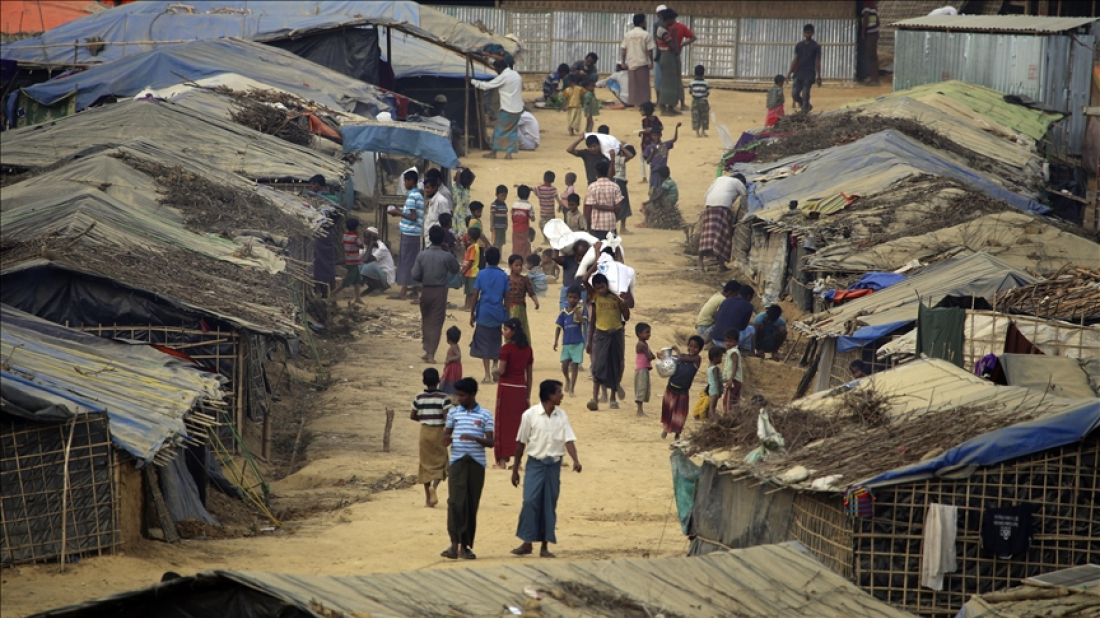
Bangladesh has been sheltering over 1.2 million Rohingya in the southeastern Cox’s Bazar district since they fled a military crackdown in Myanmar in 2017.
As Rohingya refugees are not legally permitted to work or leave the barbed-wire-enclosed camps, they are almost entirely dependent on humanitarian aid. A monthly ration of $6 per person is unlikely to cover even their most basic food needs.
“This reduction will have devastating consequences for the Rohingya population in the camps; even their mental well-being will be affected,” Commissioner Rahman warned.
Rahman attributed the WFP’s decision to the recent shutdown of the United States Agency for International Development (USAID) under the Trump administration. The US provides around 80% of the WFP’s financial support for Rohingya refugees in Bangladesh.
Sumbul Rizvi, the UNHCR’s country representative, issued a statement on Thursday warning that any reduction in humanitarian aid could have serious repercussions for a population entirely reliant on it.
"Cutting food assistance will have catastrophic effects on the lives of Rohingya refugees, exposing them to hunger and disease while increasing insecurity and despair,” he stated.
The humanitarian response must prioritise the refugees’ most urgent needs. “We need the support and shared humanity of the international community,” Rizvi urged.
The WFP has already appealed to donors for $81 million in aid to sustain assistance for the Rohingya.
Meanwhile, during a recent meeting with US officials, Bangladesh’s transitional government leader, Muhammad Yunus, urged them to reconsider cutting USAID funding for the refugees.
Speaking with UN officials in Dhaka earlier this week, Yunus described the issue as critical for Bangladesh, stating: “The UN secretary-general is coming. We are working to draw international attention to the Rohingya crisis.”
UN Secretary-General António Guterres is scheduled to visit Bangladesh from 13 to 16 March.



















What is your opinion on this topic?
Leave the first comment