GTA 6 Explained: What sets it apart, how saving works and how long it lasts
Grand Theft Auto VI launched on 19 November after repeated delays, bringing players back to Vice City with a new story, a vast open world and two p...
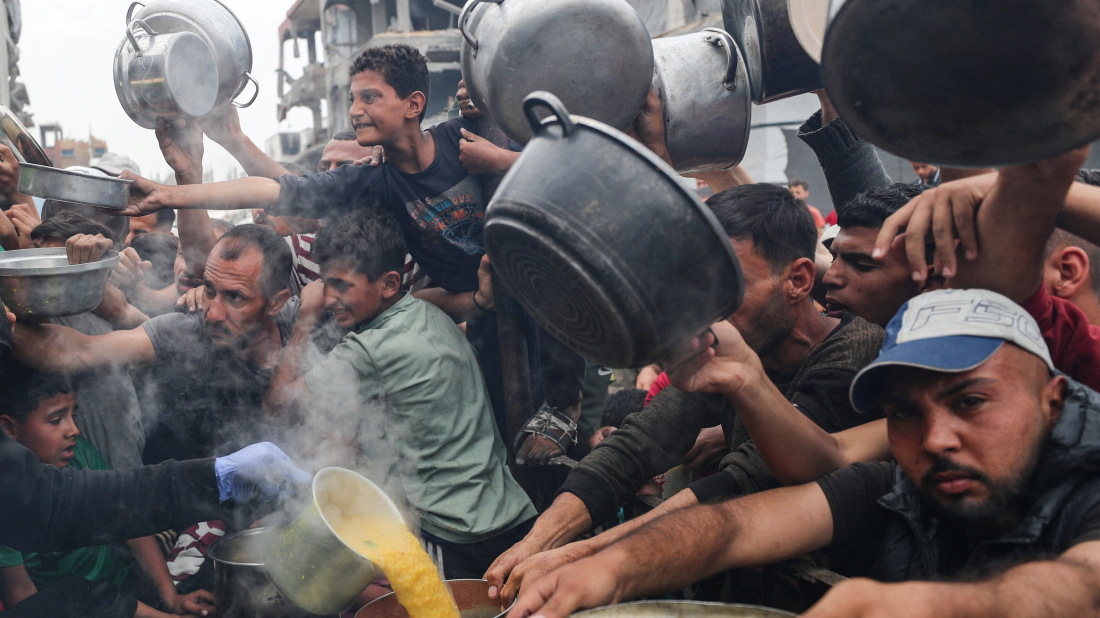
The World Food Programme has warned that its food supplies in Gaza have run out, leaving hundreds of thousands at risk as charity kitchens face imminent shutdown.
The World Food Programme (WFP) says its food stocks in Gaza have been exhausted under Israel’s nearly eight-week blockade, cutting off a vital source of sustenance for hundreds of thousands of Palestinians.
Israel halted the entry of food, fuel, medicine, and other supplies into Gaza on March 2, later resuming bombardments and ground operations two weeks after, ending a two-month ceasefire with Hamas.
In a statement, the WFP said it had delivered the last of its supplies to charity kitchens it supports across Gaza. Those kitchens are expected to run out of food within days.
According to the UN, about 80% of Gaza’s population — over two million people — now depends primarily on charity kitchens, as other food sources have collapsed under the blockade.
The WFP had been supporting 37 kitchens producing around 500,000 meals daily. It remains unclear how many kitchens will continue operating once supplies run out.
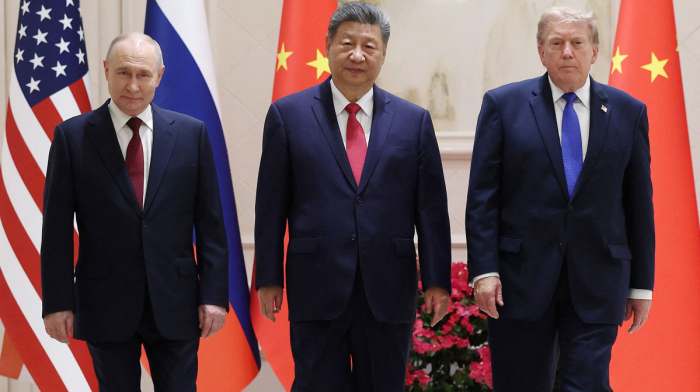
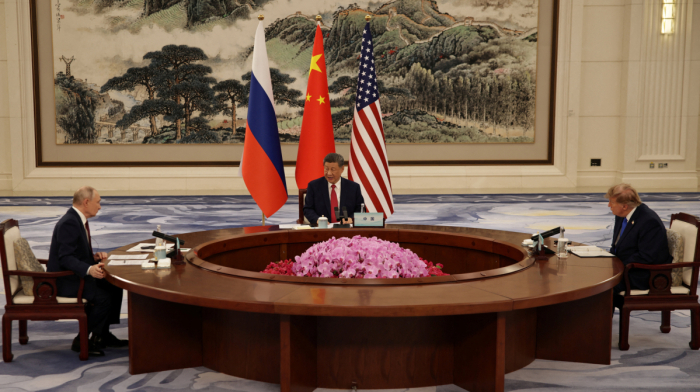
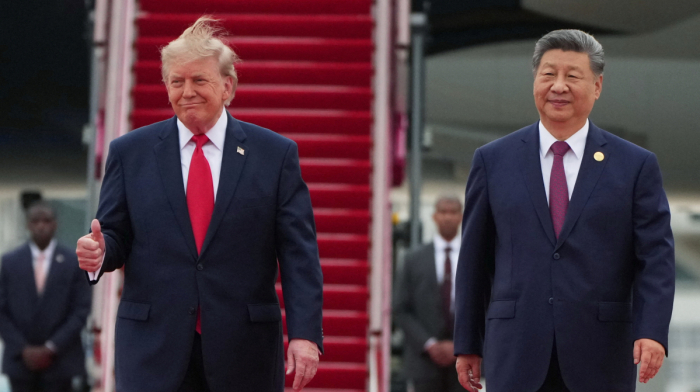
U.S. President Donald Trump, Russian President Vladimir Putin and Chinese President Xi Jinping are holding trilateral talks at the APEC summit in Shenzhen, China, with Ukraine, nuclear arms control and global security on the agenda.
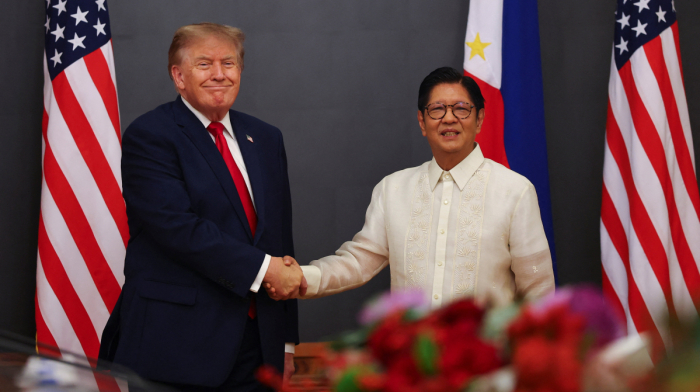
U.S. President Donald Trump concluded his visit to the Philippines on Wednesday, 18 November, after holding bilateral talks with President Ferdinand Marcos Jr. in Manila. Trump had attended the ASEAN Summit gala as guest of honour the previous evening before departing for China.
U.S. President Donald Trump has joined Russian counterpart and leaders from across the Asia-Pacific region in Shenzhen for the 33rd Asia-Pacific Economic Cooperation (APEC) Summit, where trade, economic cooperation and AI are set to take centre stage.
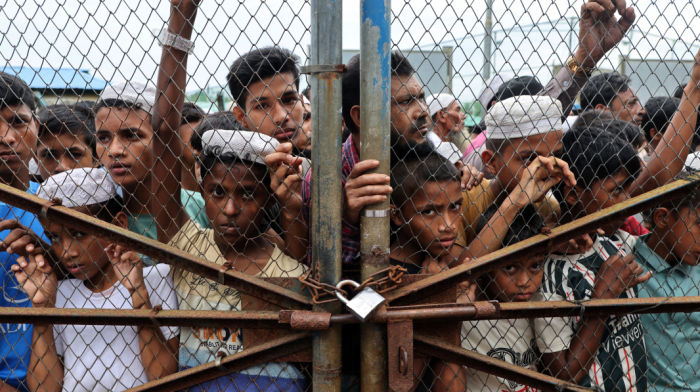
Myanmar's security forces committed genocide against Rohingya Muslims during a brutal military crackdown in 2017 that killed thousands and involved widespread sexual violence, the United Nations' top court ruled on 19 November.
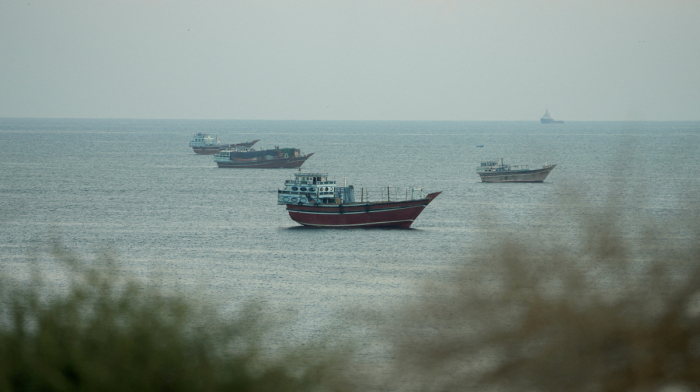
Tensions between Tehran and Washington have escalated following a fresh exchange of attacks in the Strait of Hormuz, with hostilities spilling over into Persian Gulf states hosting U.S. military bases.
U.S. President Donald Trump, China's Xi Jinping and Russia's Vladimir Putin have issued a joint “declaration of peace” following historic talks in southern China, but stopped short of committing to nuclear arms reductions or addressing the war in Ukraine in their joint statement.
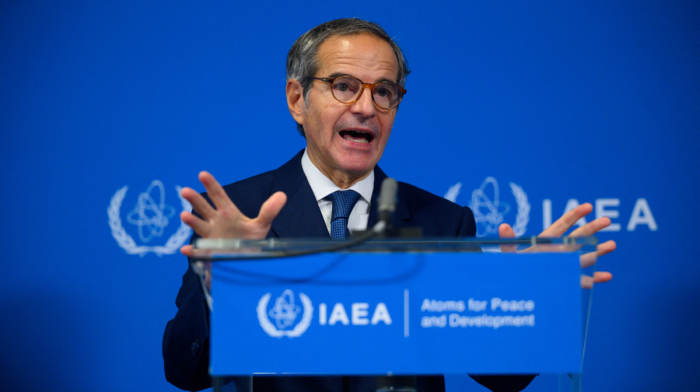
Iran has ruled out resuming international inspections of its nuclear facilities until threats of further U.S. and Israeli attacks are permanently lifted, citing security concerns following strikes in 2025 and 2026.
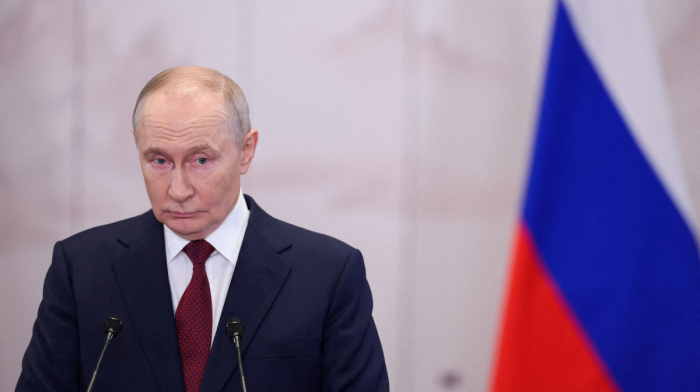
Russian President Vladimir Putin has vowed retaliation for Ukrainian strikes on the Crimean Bridge, ruling out talks on a possible deal to halt attacks on energy and maritime infrastructure.
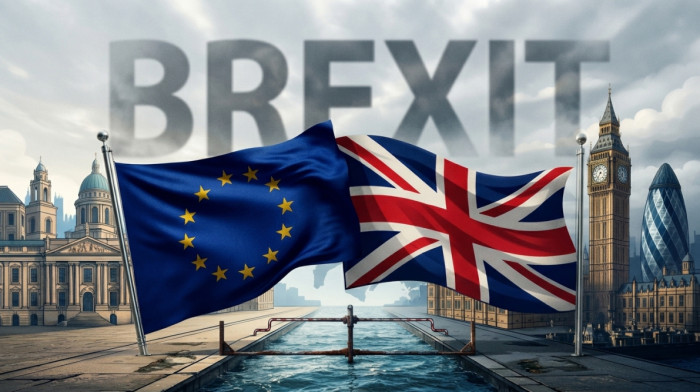
When UK Prime Minister Andy Burnham meets the European Union’s leaders in Brussels on Friday (20 November), the agenda will be about trade rules, carbon markets and youth visas. In the background is a larger question: a decade after Britain voted to leave, what has Brexit actually delivered?
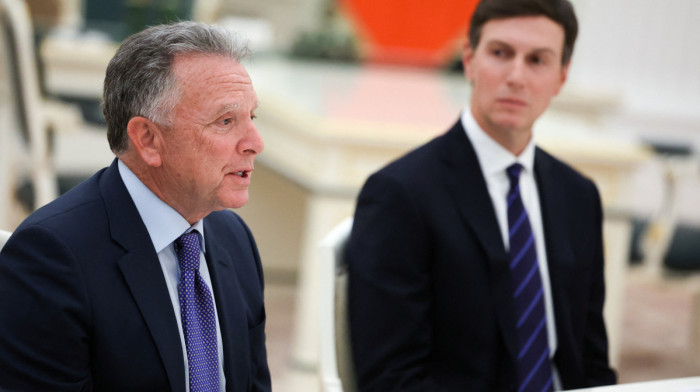
U.S. envoys Jared Kushner and Steve Witkoff are travelling to Berlin on Thursday for talks with Ukrainian President Volodymyr Zelenskyy and European leaders on ending Russia's war in Ukraine and securing post-war guarantees for Kyiv.
You can download the AnewZ application from Play Store and the App Store.
What is your opinion on this topic?
Leave the first comment